Remember the wild west of early 2022? The NFT gaming sector was exploding, and every other day seemed to bring a new "next big thing" promising free tokens just for showing up. One such event that caught the eye of many was the Battle Hero II Chest NFTs airdrop. Promoted heavily around February 2022, this event touted a prize pool worth over $50,000. But here is the kicker: if you are digging into this now, or looking back at it with skepticism, you are right to be cautious. This wasn't just another routine token drop; it was part of a wave of high-risk distributions that left many users wondering if they had won a treasure chest or opened a Pandora's box.
What Was the Battle Hero II Airdrop?
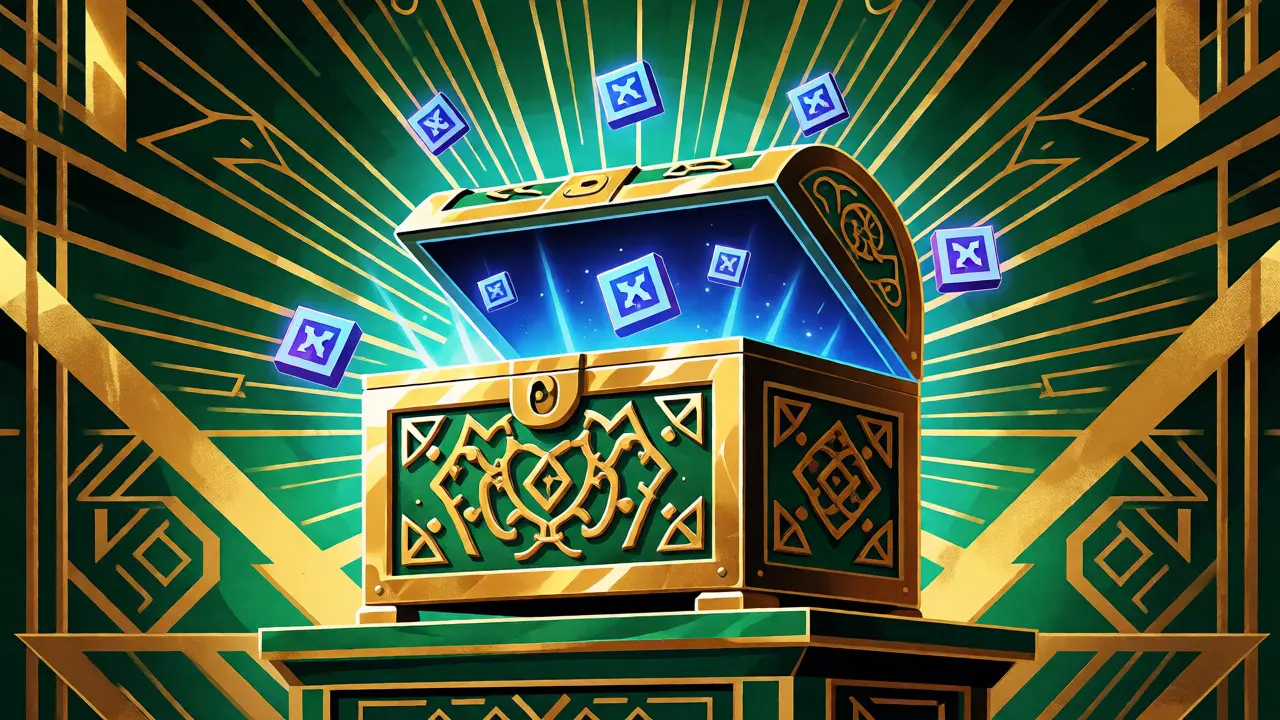
The core concept was simple on paper. Battle Hero II is a play-to-earn blockchain game that utilized Non-Fungible Tokens (NFTs) as in-game assets. Specifically, the airdrop focused on distributing "Chest NFTs." In most gaming contexts, these chests act like loot boxes-containers holding random rewards that players can open to get better gear, characters, or currency. The project aimed to bootstrap its user base by giving these digital chests away for free, hoping that recipients would engage with the game economy.
This distribution took place via platforms like CoinMarketCap’s airdrop section, which gave it a veneer of legitimacy. Users were typically asked to complete social tasks-following Twitter accounts, joining Discord servers, or sharing posts-to qualify. However, unlike established giants like Axie Infinity, Battle Hero II lacked transparent documentation regarding its long-term roadmap or team composition. The $50,000 value figure was significant enough to attract attention but small enough to suggest a smaller, perhaps less stable project.
The Mechanics of Chest NFTs
To understand why this airdrop mattered, you have to look at the utility of the asset itself. In the Battle Hero II ecosystem, chest NFTs served as reward containers. They weren't just static images; they were supposed to unlock value within the game. Players could potentially trade these chests on secondary markets or open them to acquire in-game resources.
However, the mechanics remained murky. Unlike clear-cut DeFi protocols where yield farming has defined mathematical models, the economic model behind these chests was vague. Did opening a chest require gas fees? What was the probability distribution of rare items? These details are often the difference between a sustainable game economy and a pump-and-dump scheme. Without comprehensive technical specifications available today, we are left guessing about the actual depth of gameplay versus the hype of the tokenomics.

Why Caution Was Essential
If you participated in the 2022 era of crypto gaming, you know the landscape was littered with projects that vanished overnight. Researchers reviewing the Battle Hero II airdrop emphasized extreme caution due to several red flags common in that period:
- Lack of Transparency: Information about the development team was scarce. Who built the smart contracts? Were they audited?
- Vague Roadmaps: Many projects promised grand futures without detailing how they would achieve them technically.
- Market Volatility: The broader NFT market crashed hard in late 2022. Projects relying solely on hype struggled to survive the downturn.
The advice from crypto analysts was consistent: do your own research. Just because an airdrop appears on a reputable platform like CoinMarketCap doesn't mean the underlying project is solid. It simply means the listing process was completed. For Battle Hero II, the lack of verifiable post-airdrop activity raised concerns about whether the project ever truly launched a functional, engaging game beyond the initial token distribution.
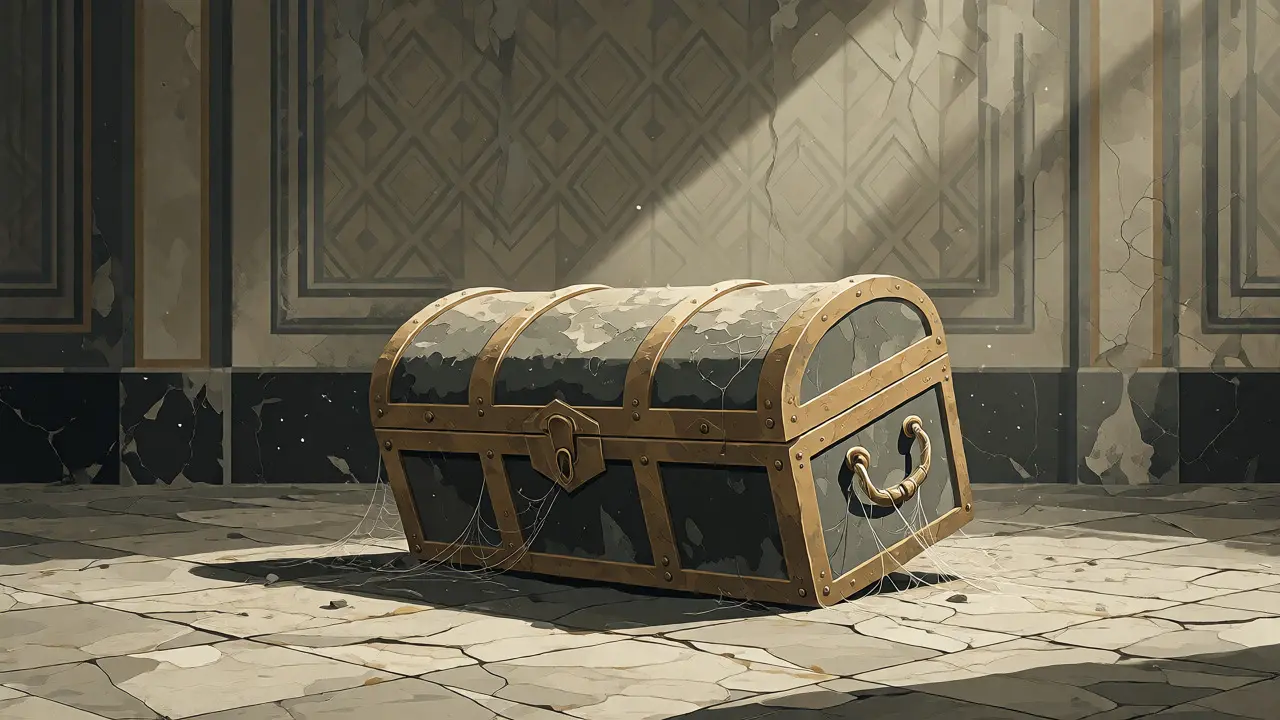
Current Status and Legacy
Fast forward to November 2026. Where does Battle Hero II stand today? Honestly, it’s quiet. Comprehensive data on current operational status, active player bases, or token performance metrics is nearly impossible to find through standard tracking platforms. This silence speaks volumes. In the crypto world, no news often isn't good news-it usually indicates a project has either pivoted, merged, or faded into obscurity.
The broader context of the 2021-2022 NFT gaming boom shows a mixed bag. While some projects like Axie Infinity maintained communities despite price drops, many others failed to retain users after the initial freebie excitement wore off. Battle Hero II appears to fall into the latter category. The initial engagement driven by the airdrop did not translate into sustained long-term interest or verifiable development milestones visible to the public eye.
| Feature | Battle Hero II (2022) | Established P2E Games (e.g., Axie) |
|---|---|---|
| Airdrop Value | $50,000+ Prize Pool | Varied, often higher initial liquidity |
| Asset Type | Chest NFTs (Loot Boxes) | Character/Skill NFTs |
| Transparency | Low (Limited docs) | High (Whitepapers, Audits) |
| Longevity | Unclear/Inactive | Active Development |
Lessons for Future Airdrops
So, what should you take away from the Battle Hero II story? If you are hunting for the next big airdrop in 2026, treat these historical cases as case studies in risk management. An airdrop is marketing, not investment advice. Here are three rules of thumb derived from projects like Battle Hero II:
- Check the Team: Can you find real people with track records building the project? Anonymous teams are a major risk factor.
- Analyze the Utility: Does the NFT actually do something useful in a functioning game, or is it just a speculative asset waiting to be sold?
- Look for Activity: Check GitHub repositories and Discord activity. Are developers still committing code? Is the community discussing bugs and features, or just price speculation?
The Battle Hero II Chest NFTs airdrop serves as a reminder that in crypto, flashiness often outpaces substance. While the promise of free assets is tempting, the sustainability of those assets depends entirely on the underlying product. In this case, the product remains largely unseen, leaving the chests closed and the heroes absent.
Is the Battle Hero II airdrop still active?
No, the specific airdrop campaign for Battle Hero II Chest NFTs took place primarily in early 2022. There is no evidence of ongoing distribution events for this specific project as of late 2026.
What was the total value of the Battle Hero II airdrop?
The promotional materials cited a total prize pool valued at over $50,000, distributed among participants who completed required social media and registration tasks.
Are Battle Hero II Chest NFTs valuable today?
Due to a lack of active trading data and unclear project status, determining current market value is difficult. Most likely, their value has diminished significantly compared to the peak hype period in 2022.
Was Battle Hero II a scam?
It is not definitively labeled a scam, but it exhibited characteristics of high-risk projects: low transparency, vague roadmaps, and limited post-launch visibility. Experts recommended "extreme caution" during its promotion phase.
How can I verify if a new crypto game airdrop is legitimate?
Look for verified team members, audited smart contracts, active developer communication channels, and a clear whitepaper. Be wary of projects that only focus on token distribution without explaining the core gameplay loop.