You might think buying Bitcoin in Brazil is just like clicking 'buy' on any other app. But the reality is far more complex. As of mid-2026, Brazil has built one of the strictest regulatory walls for cryptocurrency in Latin America. It’s not a wild west anymore; it’s a highly monitored financial corridor. If you are a trader, an investor, or running a business involving digital assets here, understanding these restrictions isn't optional-it’s survival.
The core issue isn’t whether crypto is legal (it is). The problem is how tightly the government controls who can touch it and how money moves in and out. With the Central Bank of Brazil (BCB) acting as the primary gatekeeper, the landscape has shifted from gray-area speculation to rigid institutional oversight. This guide breaks down exactly what those rules mean for your wallet and your rights.
Who Actually Controls Your Crypto?
In many countries, crypto regulation is a mess of overlapping agencies that don't talk to each other. Brazil took a different path. They created a multi-layered system where three main entities share the burden, but one holds the keys.
The Central Bank of Brazil (BCB) is the boss here. Officially designated through Decree No 11,563/2023, the BCB doesn't just watch; they authorize. Every Virtual Asset Service Provider (VASP)-that’s exchanges, brokers, and custodians-must get their license from the BCB to operate legally. Without this stamp of approval, a platform is technically operating illegally, which puts your funds at risk.
Then there’s the Securities and Exchange Commission (CVM). Their job is specific: if a crypto asset looks like a security (think tokenized stocks or equity tokens), the CVM steps in. They aren't interested in Bitcoin itself, but they care deeply about projects that promise returns based on someone else's effort.
Finally, you have the Financial Activities Control Council (COAF). Think of COAF as the detective agency. While the BCB issues licenses and the CVM watches securities, COAF hunts for money laundering. If your transaction looks suspicious, COAF gets the report. This trio creates a net that is hard to escape.
The Licensing Trap: Why "Unregistered" Exchanges Are Dangerous
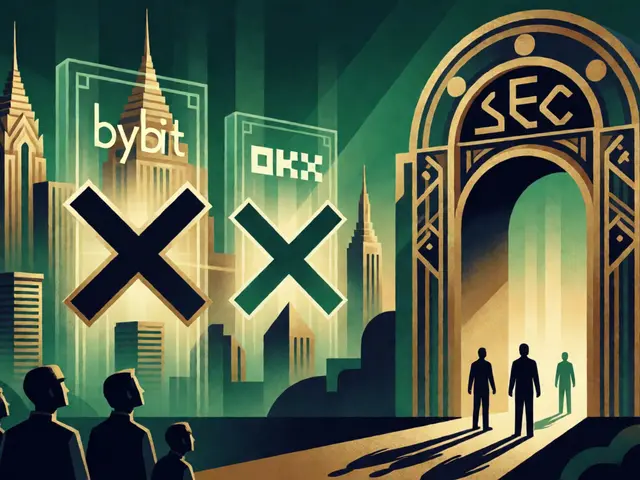
Here is the biggest restriction you need to know: You cannot legally buy crypto from an unlicensed provider. Under Law No 14.478/2022 (the Brazilian Virtual Assets Law), all VASPs must register with the BCB. This law became effective in June 2023, giving platforms time to comply.
Why does this matter to you? Because consumer protection in Brazil is tied directly to this license. There is no separate "crypto insurance fund." Instead, the government assumes that if a company follows BCB rules, they are safe enough. If you use an offshore exchange that hasn’t bothered to register with the BCB, you are flying blind. If that exchange hacks, goes bankrupt, or freezes your account, you have little to no recourse under Brazilian consumer protection laws because the entity isn't recognized by the regulator.
The BCB has been aggressive about this. In 2024, they implemented a phased approach, including a Regulatory Sandbox. This sandbox allows new companies to test services under controlled oversight. But for the average user, the message is clear: stick to licensed platforms. The list of authorized VASPs is public, and checking it should be your first step before depositing a single real.
Stablecoins: The Real Target of Regulation
If you thought Bitcoin was the main focus, look again. Data from the Central Bank shows that stablecoins make up roughly 90% of transaction volume in Brazil. People aren't just holding Bitcoin; they are using USDT and USDC to pay bills, send remittances, and hedge against currency fluctuation.
This dominance scared regulators. Stablecoins act like money, but without central bank backing. To fix this, the BCB flagged systemic risks posed by unregulated stablecoins. By May 2025, the Deputy Governor explicitly stated that formal oversight mechanisms were being prepared. These rules, expected to roll out fully in 2025 and 2026, aim to treat stablecoins closer to traditional banking instruments than speculative tech.
For consumers, this means higher scrutiny on stablecoin issuers. Expect stricter reserve requirements and transparency reports. If you hold large amounts of stablecoins, you’re benefiting from this stability, but you may also face tighter limits on how quickly you can move them across borders.
| Agency | Primary Role | Focus Area |
|---|---|---|
| BCB | Licensing & Oversight | All VASPs, Payments, Systemic Risk |
| CVM | Securities Enforcement | Tokenized Securities, Equity Tokens |
| COAF | Financial Intelligence | Money Laundering, Fraud Investigation |

New Forex Rules: The Hidden Restriction on Cross-Border Trades
One of the most confusing recent developments came in September 2025. The Central Bank introduced new foreign exchange regulations. On paper, these rules didn't mention "crypto." In practice, they hit crypto exchanges hard.
The new rules require forex providers to apply for licenses and submit detailed customer transaction data. Crucially, they cap single transactions at $10,000 USD equivalent and mandate that transactions go through designated entry and exit points. For crypto users, this means that converting Brazilian Reais (BRL) to US Dollars (USD) to buy crypto on an international platform is now heavily restricted.
If you try to send money to an overseas exchange that isn't part of this new forex framework, your bank might block it. Or worse, the exchange might struggle to send funds back to you. This effectively pushes users toward domestic, BCB-licensed exchanges. It’s a subtle but powerful way to keep capital within the regulated ecosystem.
Consumer Protection: What Happens When Things Go Wrong?
Let’s address the elephant in the room: Does Brazil protect you if you lose money? The answer is nuanced. There is no explicit "crypto consumer protection statute" that guarantees refunds for bad trades or market crashes. However, the regulatory framework provides indirect protection through operational standards.
First, the mandatory KYC (Know Your Customer) and AML (Anti-Money Laundering) rules create a paper trail. If you are scammed, having a verified identity on a licensed platform makes it easier for COAF to investigate. Second, the BCB requires VASPs to maintain certain financial monitoring rules. This reduces the likelihood of a platform vanishing overnight with your funds, though it doesn't eliminate the risk entirely.
However, beware of the "buyer beware" principle. If you invest in a volatile asset and it drops 50%, the government won't help you. Consumer protection here is about preventing fraud and ensuring platform solvency, not guaranteeing investment returns. Always read the terms of service regarding custody. Who holds the private keys? If the exchange does, you are exposed to their operational risks.
Drex and the Future of Tokenization
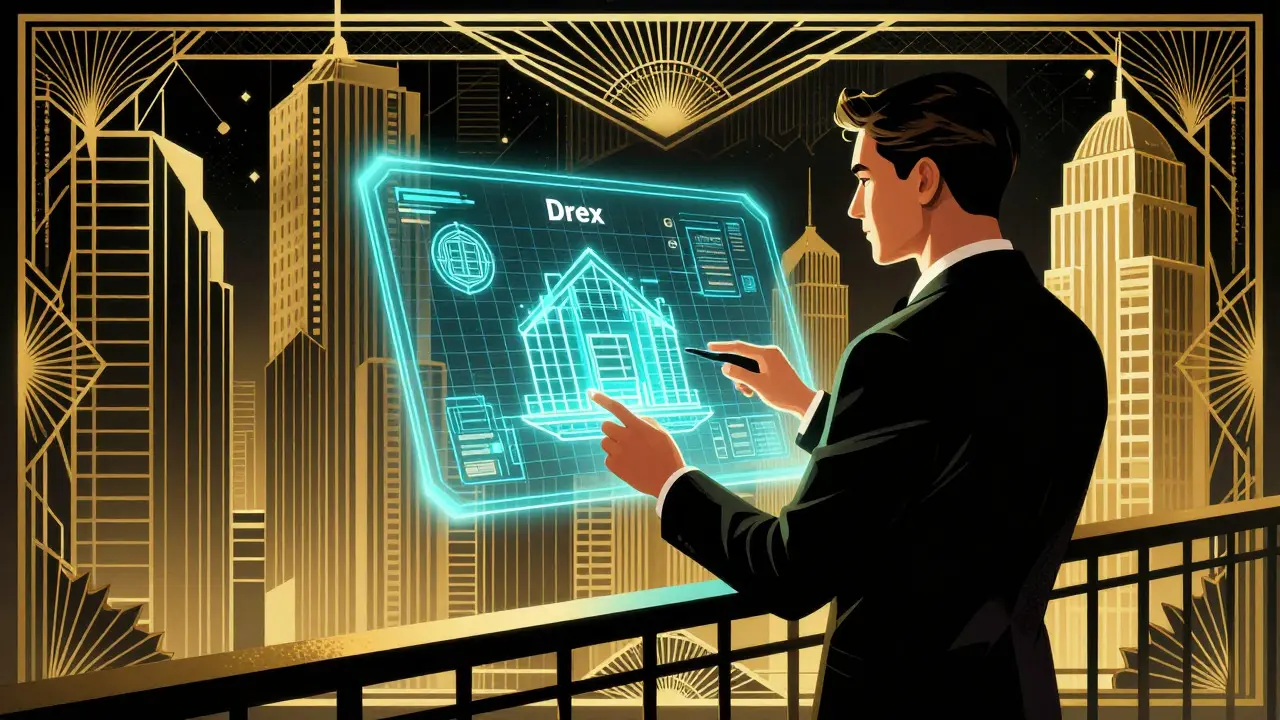
Brazil isn't just regulating; it's innovating. The Central Bank launched Drex, a distributed-ledger-based infrastructure. It’s important to clarify: Drex is not a Central Bank Digital Currency (CBDC) like the Digital Yuan. Instead, it’s a platform for tokenizing bank deposits, loans, and government securities.
By late 2025, the CVM was preparing to launch a public consultation on tokenization frameworks. This suggests that soon, you might be able to buy fractional ownership in real estate or stocks via blockchain, all within the Brazilian regulatory bubble. For consumers, this could mean lower fees and faster settlements. But it also means even more data sharing with regulators. Your financial life is becoming increasingly transparent.
How to Stay Compliant and Safe
Navigating this landscape requires vigilance. Here is a practical checklist for staying protected:
- Verify the License: Before signing up for any exchange, check the BCB’s official list of authorized VASPs. If they aren’t on the list, assume they are high-risk.
- Watch the Forex Limits: If you trade internationally, keep single transactions under the $10,000 cap to avoid triggering manual reviews or blocks under the new forex rules.
- Document Everything: Since consumer protection relies on audit trails, save every receipt, confirmation email, and chat log with support teams.
- Avoid Unregulated Stablecoins: Stick to major, widely accepted stablecoins that are likely to meet the upcoming reserve requirements. Obscure stablecoins are prime targets for regulatory crackdowns.
- Use Self-Custody Wisely: While self-custody wallets remove counterparty risk, ensure you understand tax implications. The BCB tracks inflows and outflows; hiding assets is harder than ever.
The era of anonymous, borderless crypto in Brazil is over. The current system prioritizes stability, traceability, and integration with the traditional financial system. For the disciplined user, this offers safety and clarity. For the reckless, it offers a maze of restrictions that can freeze assets and block accounts. Know the rules before you play the game.
Is cryptocurrency legal in Brazil?
Yes, cryptocurrency is fully legal in Brazil. It is recognized as a digital asset under Law No 14.478/2022. However, it is not considered legal tender. You must use licensed Virtual Asset Service Providers (VASPs) to buy, sell, or store crypto legally.
What happens if I use an unlicensed exchange?
Using an unlicensed exchange exposes you to significant risk. You lose access to BCB-backed dispute resolution mechanisms. If the exchange fails or commits fraud, recovering your funds is difficult because the entity is not subject to Brazilian regulatory oversight. Additionally, banks may flag transactions linked to unregistered platforms.
How do the new forex rules affect crypto traders?
The September 2025 forex regulations limit single transactions to $10,000 USD equivalent and require strict reporting. This makes it harder to move large sums of money to offshore exchanges. Traders are encouraged to use domestic, BCB-licensed platforms to avoid transaction blocks or delays.
Are stablecoins regulated differently?
Yes. Because stablecoins account for ~90% of volume, they face stricter oversight. Regulators view them as potential systemic risks. New rules in 2025-2026 will impose reserve requirements and transparency standards on stablecoin issuers, treating them more like banking products than speculative assets.
Does Brazil have a crypto consumer protection fund?
No, there is no specific insurance fund for crypto losses. Consumer protection is achieved through strict licensing and operational standards for VASPs. The assumption is that compliant platforms are safer. Investors still bear the market risk of asset price fluctuations.
What is Drex?
Drex is a distributed-ledger infrastructure launched by the Central Bank of Brazil. It is used for tokenizing bank deposits, loans, and securities. It is not a CBDC (like a digital dollar) but a tool to modernize traditional finance using blockchain technology within the regulated system.