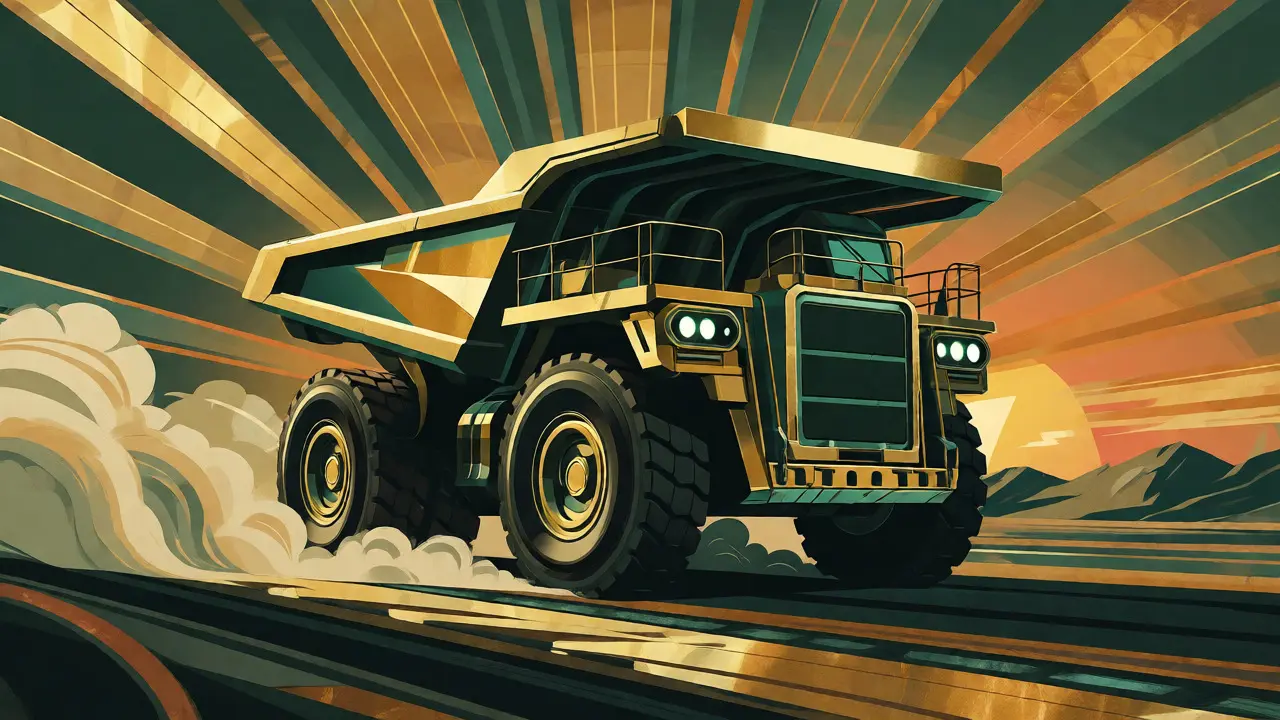
Imagine a haul truck the size of a house driving itself through a dusty pit in Western Australia, guided not by a human driver but by an algorithm that predicts tire wear before it happens. This isn't science fiction; it is the current reality of mining hardware technology, which is undergoing its most significant transformation since the introduction of the steam shovel. For decades, mining was defined by brute force and manual labor. Today, it is being redefined by silicon, software, and sensors. If you are looking at where the industry is heading in 2026, the answer lies in the convergence of artificial intelligence, autonomous machinery, and specialized data infrastructure.
The Rise of Autonomous Fleets
The most visible change on any modern mine site is the disappearance of drivers from heavy machinery. The market for autonomous mining equipment is projected to double from $3.1 billion to $6.2 billion by 2026. Why the rush? It comes down to physics and economics. Humans need breaks, sleep, and shifts. Machines do not. A driverless truck can operate 24/7, provided it has power and maintenance.
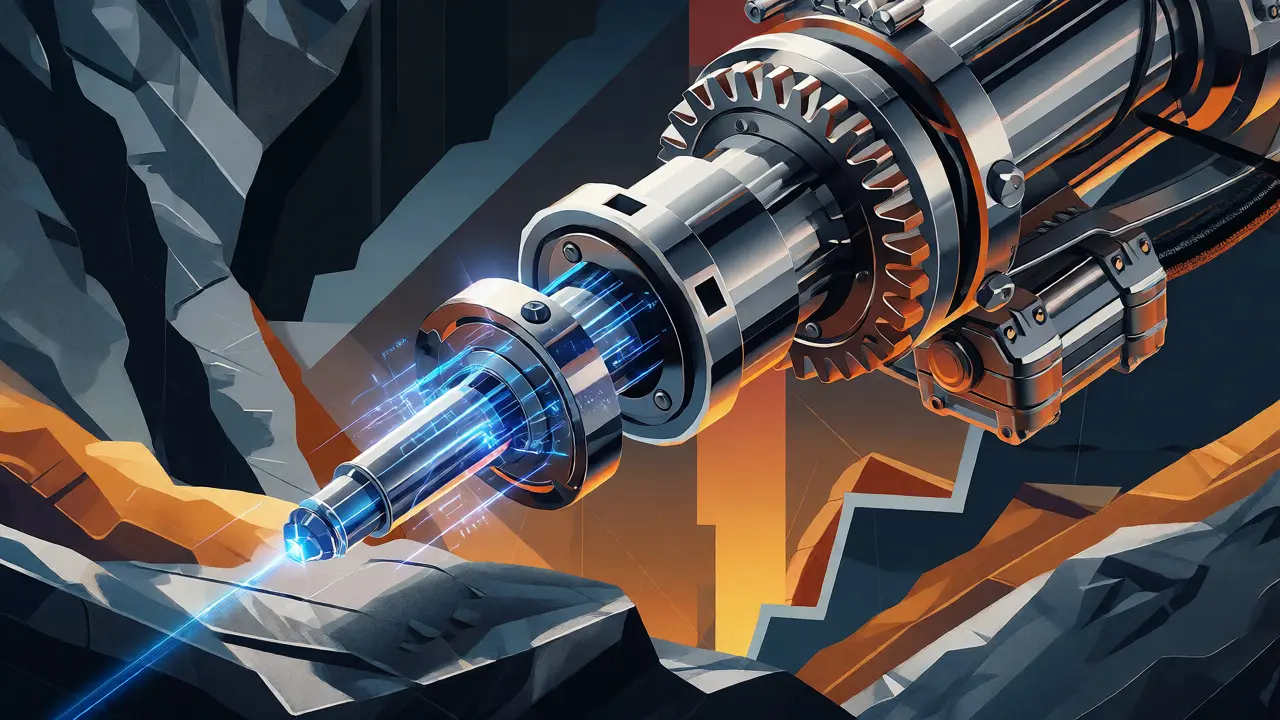
Companies like Caterpillar and Komatsu have deployed fleets of self-driving trucks that communicate with each other to optimize traffic flow, reducing idle time and fuel consumption. But it goes beyond just trucks. Robotic drilling systems now use real-time geological data to adjust their drill paths instantly, ensuring they hit the ore body rather than waste rock. This precision reduces the volume of material moved, which directly cuts costs. More importantly, it removes humans from hazardous environments. In deep underground mines or high-altitude open pits, removing personnel from the immediate danger zone dramatically lowers incident rates.
AI and Edge Computing in the Pit
Autonomy requires brains, and those brains are increasingly located right next to the action. Traditional cloud computing has latency issues-sending data from a remote mine site to a central server and back takes time. In mining, milliseconds matter. Enter AI-optimized edge storage nodes. These devices process data locally on the machine itself.
For example, a smart drill rig equipped with edge AI can assess the grade of the ore as it drills. Instead of sending samples to a lab days later, the system analyzes spectral data in real-time, adjusting the extraction strategy immediately. This capability boosts operational efficiency by up to 40%. Furthermore, machine learning tools now analyze historical geological data with remarkable accuracy, improving mineral discovery rates by 20 to 30%. This means fewer dry holes and faster exploration timelines, making projects viable even in challenging regions.
| Hardware Type | Primary Function | Efficiency Gain | Key Benefit |
|---|---|---|---|
| Ruggedized HDD Systems | Data Logging | 35% | Shock/Dust Resistance |
| Edge AI Nodes | Real-time Analysis | 40% | Low Latency Processing |
| Hybrid HDD-SSD | Tiered Storage | 28% | Fast Reporting + Archiving |
| Self-Healing Platforms | Data Integrity | 38% | Auto-Correction |
Specialized Data Infrastructure
Mining generates massive amounts of data, from seismic readings to daily production logs. Standard consumer-grade hard drives fail quickly in these environments due to extreme vibrations, dust, and temperature fluctuations. This is why ruggedized HDD mining hardware is becoming essential. These units are engineered specifically for remote drilling data logging, offering 35% better reliability through enhanced shock resistance and thermal management.
But raw storage isn't enough. We are seeing a shift toward hybrid architectures that combine the capacity of HDDs with the speed of SSDs. This tiered approach allows mines to keep critical, frequently accessed survey data on fast SSDs while archiving long-term historical records on cheaper, high-capacity HDDs. By 2026, we expect widespread adoption of IoT-embedded HDD devices that connect directly to sensor networks, automating the flow of environmental monitoring data without manual intervention.
Additive Manufacturing and Supply Chain Resilience
One of the biggest headaches for remote mines is supply chain logistics. If a critical part breaks, waiting weeks for a replacement halts production. Additive manufacturing, or industrial 3D printing, solves this. Companies can now print strong, lightweight parts on demand using metal powders like steel, titanium alloys, and bronze.
Startups like Arcobo are leading this charge, using large-scale metal printers to create custom components within days rather than months. This reduces reliance on global shipping chains and minimizes downtime. When combined with predictive maintenance algorithms, which forecast component failure before it happens, mines can order the exact part needed just in time, keeping inventory costs low and uptime high.
Sustainability and Energy Efficiency
You cannot talk about the future of mining without addressing the planet. Regulatory pressure and investor expectations are forcing the industry to go green. Electric and hybrid mining equipment is gaining traction, significantly reducing diesel emissions and fuel costs. However, sustainability also applies to the digital side. Data centers on mining camps consume vast amounts of energy.
New energy-efficient HDD devices achieve 32% gains through advanced power management, designed specifically for green data centers. Additionally, blockchain integration is emerging as a tool for transparency. By recording extraction data on a blockchain ledger, companies provide guaranteed traceability for compliance audits. This proves that minerals were sourced ethically and sustainably, adding value to the final product.
The Human Element in a Digital Mine
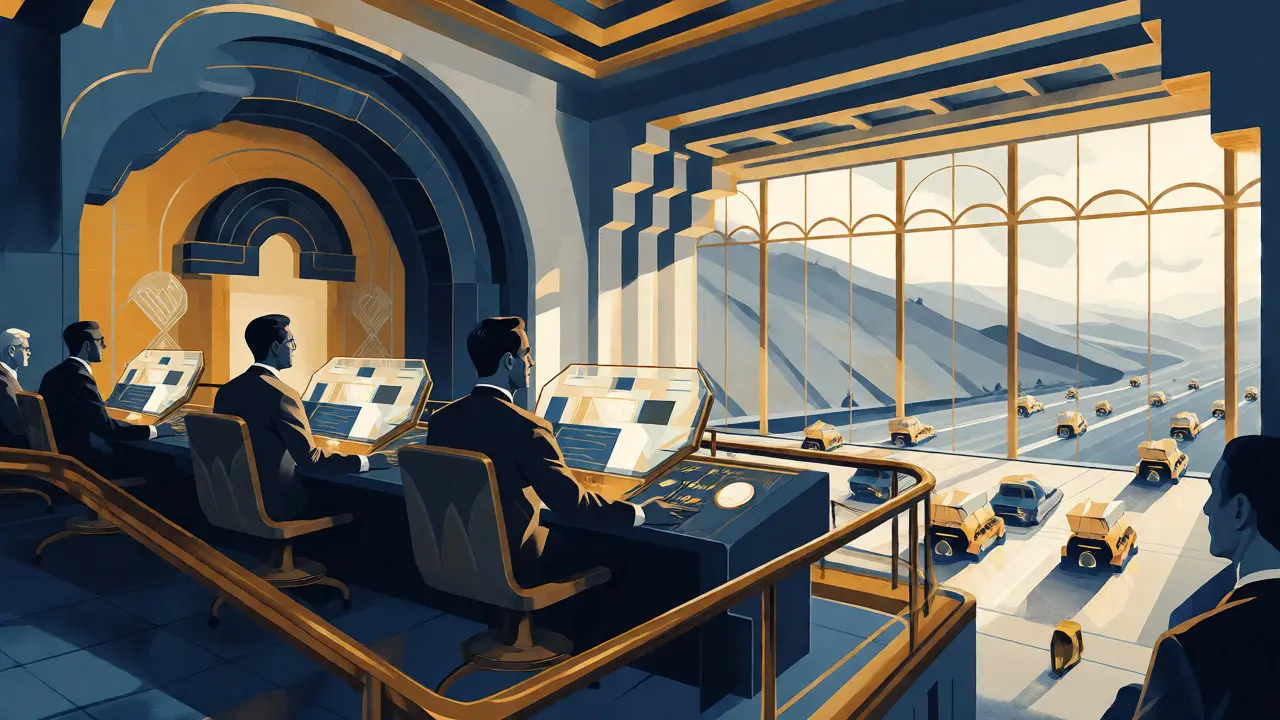
Does all this automation mean miners will lose their jobs? Not exactly. It changes the nature of the work. The role is shifting from physical labor to technology management. Workers are becoming operators who supervise autonomous fleets from control rooms hundreds of miles away. They analyze data streams, troubleshoot robotic systems, and make strategic decisions based on AI insights.
This transition requires new skills. The industry needs people proficient in data analysis, AI oversight, and digital tool management. While there are challenges in workforce transition and cybersecurity, the upside is a safer, more diverse workforce. Remote operations allow people to work in mining without living in isolated, harsh conditions, attracting talent that might never have considered the industry before.
Frequently Asked Questions
How does AI improve safety in mining?
AI improves safety primarily by removing humans from hazardous zones. Autonomous vehicles and remote-operated machinery handle tasks in unstable ground or toxic environments. Additionally, AI-driven predictive maintenance identifies potential equipment failures before they cause accidents, while collision avoidance systems prevent interactions between heavy machinery and workers.
What is edge computing in the context of mining?
Edge computing refers to processing data near the source of generation (the mining machine) rather than sending it to a distant cloud server. In mining, this reduces latency, allowing for real-time decision-making such as adjusting drill paths or braking autonomous trucks instantly, which is critical when connectivity is poor or delayed.
Why is blockchain used in mining operations?
Blockchain is used for data traceability and integrity. It creates an immutable record of the mineral's journey from extraction to sale. This helps companies prove ethical sourcing, comply with environmental regulations, and streamline audits, providing transparency to investors and consumers.
How does additive manufacturing benefit remote mines?
Additive manufacturing (3D printing) allows mines to produce spare parts on-site using digital designs. This eliminates long wait times for shipping replacements from centralized warehouses, significantly reducing equipment downtime and lowering inventory holding costs for remote locations.
Will autonomous mining eliminate human jobs?
It transforms them rather than eliminating them. While fewer drivers and manual laborers are needed on-site, there is increased demand for technicians, data analysts, and remote supervisors. The workforce shifts toward higher-skilled roles focused on managing and maintaining complex automated systems.