The crypto world moves fast, and opportunities like the LaunchZone NFT Unit Farm airdrop often vanish before most people even know they exist. If you are reading this, you likely want to know one thing: how do I get free tokens from this new decentralized finance platform? The short answer is that while LaunchZone has officially introduced its native governance token, $LZ, specific details on the "NFT Unit Farm" mechanics remain scarce in public documentation as of May 2026. However, by understanding how similar DeFi platforms operate, we can deduce the likely steps required to qualify, avoid common pitfalls, and position your wallet for success.
What Is LaunchZone and Why Does It Matter?
Before diving into the farming strategy, it helps to understand what you are actually farming for. LaunchZone is positioned as an "ultimate DeFi platform" that integrates various financial tools under one ecosystem. Its native token, $LZ, serves dual purposes: it acts as a utility token for transactions within the platform and as a governance token, allowing holders to vote on future protocol changes.
In the broader context of decentralized finance (DeFi), platforms that offer both utility and governance rights tend to attract serious liquidity providers. Unlike simple meme coins or low-effort projects, LaunchZone aims for sustainable growth. This suggests that their airdrop is not just a marketing gimmick but a way to distribute ownership to early adopters who help secure and use the network. Understanding this distinction is crucial because it means the platform will likely filter out bots and casual users, rewarding those who demonstrate genuine engagement with the protocol.
Decoding the "NFT Unit Farm" Concept
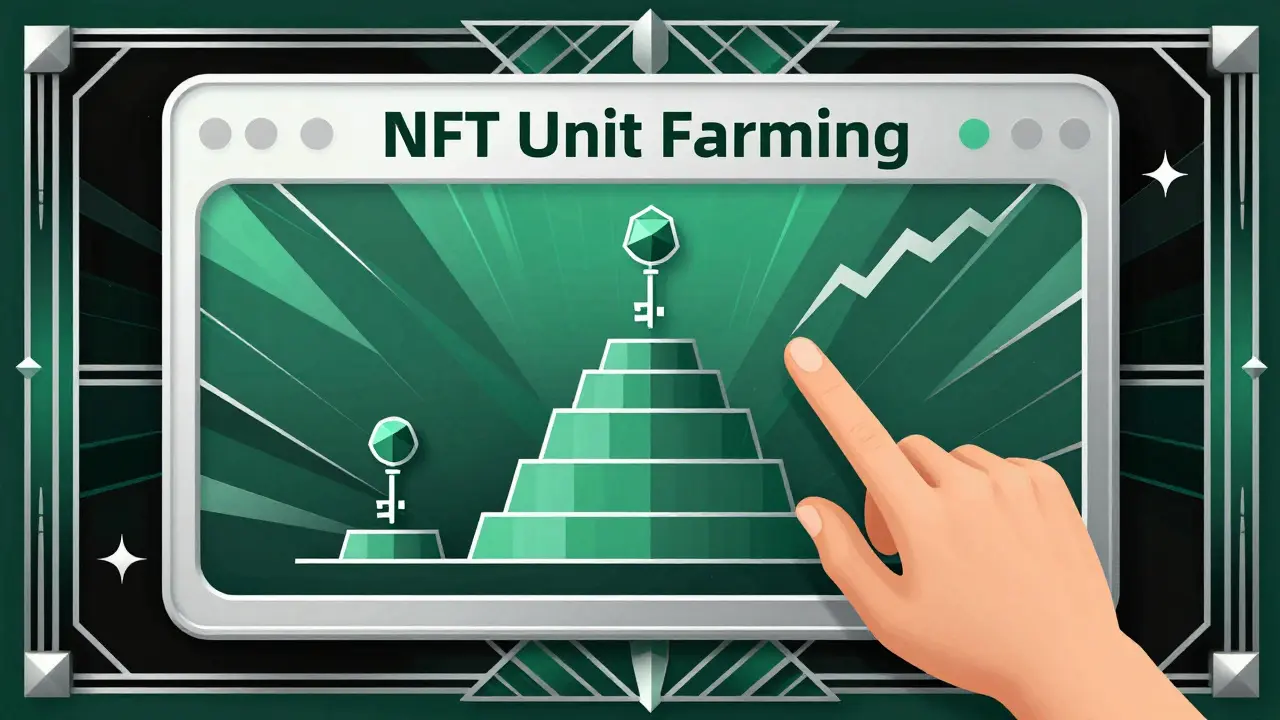
The term "NFT Unit Farm" implies a specific mechanic where non-fungible tokens (NFTs) play a central role in earning rewards. In many modern DeFi protocols, NFTs act as keys or multipliers. Here is how this typically works in comparable ecosystems:
- NFTs as Multipliers: Holding a specific NFT might increase the amount of $LZ tokens you earn per block or transaction.
- Gated Access: You may need to own an NFT to access certain high-yield pools or exclusive features.
- Proof of Activity: The NFT could serve as a record of your participation history, ensuring you meet eligibility criteria for the final distribution.
While LaunchZone has not released a detailed whitepaper explaining every nuance of this system, industry trends suggest that these NFTs are likely minted through initial interactions with the platform. For example, you might receive an NFT after making your first deposit, completing a social task, or staking a minimum amount of assets. This aligns with strategies seen in other major airdrops, such as Jupiter’s LFG Launchpad, which required users to stake specific tokens to qualify.
How to Prepare Your Wallet for the Airdrop
Since official instructions are limited, preparation is your best defense against missing out. You should treat this like any high-value opportunity where speed and accuracy matter. Start by setting up a dedicated wallet. Do not use your main holding wallet for experimental DeFi interactions. Instead, create a fresh MetaMask or Phantom wallet specifically for LaunchZone activities.
Next, fund this wallet with enough capital to cover gas fees and potential minimum staking requirements. While exact numbers are unknown, historical data from similar platforms suggests that small amounts-often less than $10-$50-are sufficient to trigger eligibility. For instance, Jupiter’s launchpad required only 10 JUP tokens, costing under $10 at the time. Allocating a small budget ensures you can interact with the smart contracts without risking significant capital.
Crucially, enable two-factor authentication and consider using a hardware wallet like Ledger or Trezor if you plan to hold substantial value. Security is paramount; scammers often target airdrop hunters by creating fake websites or sending malicious contract approvals. Always verify URLs through official channels like the project’s verified Twitter account or Discord server.
Strategic Actions to Maximize Eligibility
To maximize your chances of qualifying for the $LZ airdrop, focus on actions that demonstrate consistent engagement. Based on general DeFi farming principles, here are the most effective steps:
- Interact Early and Often: Make multiple transactions rather than one large deposit. Platforms often track unique interaction counts to filter out bots.
- Hold Relevant Assets: If LaunchZone supports other tokens or stablecoins, holding them in your connected wallet may boost your score. Some systems reward users who provide liquidity to specific pairs.
- Complete Social Tasks: Many projects integrate with platforms like Galxe or QuestN to verify community engagement. Follow their social media, join their Discord, and complete any available quests.
- Maintain Consistency: Do not withdraw all funds immediately after interacting. As noted by experienced farmers, sudden withdrawals can sometimes disqualify you if the snapshot captures active balances over a period.
This approach mirrors successful strategies used in past campaigns. For example, users who maintained assets on Linea L2 while restaking ETH saw higher point accumulations for subsequent airdrops. By keeping your position active, you signal long-term interest rather than quick profit-seeking behavior.
Risks and Pitfalls to Avoid
Airdrop farming is not without risks. The most common threat is phishing attacks. Never click links from unverified sources, and always double-check contract addresses before signing transactions. Another risk is impermanent loss if you provide liquidity to volatile trading pairs. To mitigate this, stick to stablecoin pairs or well-established assets when possible.
Additionally, be wary of "guaranteed" returns. No legitimate project promises fixed profits. LaunchZone’s goal is sustainable growth, which implies market-dependent outcomes. Finally, remember tax implications. In many jurisdictions, airdropped tokens are considered taxable income upon receipt. Keep records of your transactions and consult a tax professional familiar with cryptocurrency regulations in your region.

Comparison: LaunchZone vs. Other Recent Airdrops
| Platform | Token | Key Requirement | Estimated Cost | Status |
|---|---|---|---|---|
| LaunchZone | $LZ | NFT Unit Farming | Unknown (Low) | Active/Upcoming |
| Jupiter LFG | JUP | Stake 10 Tokens | <$10 USD | Completed |
| Linea Park | LXP | Hold NFT or Points | Variable | Ongoing |
This comparison highlights that LaunchZone follows a familiar pattern: low barrier to entry with potential for high upside. The uncertainty around costs reflects the lack of official documentation, but historically, such platforms aim to onboard thousands of users quickly, keeping initial requirements minimal.
When Will the Distribution Happen?
Timing is everything in airdrops. While LaunchZone has not announced a specific date for the $LZ distribution, patterns from similar projects suggest a window of several months after launch. Jupiter, for instance, had clear schedules released months in advance. Keep an eye on official announcements via their Discord and Twitter. Setting up notifications for these channels ensures you won’t miss critical updates regarding snapshot dates or claim periods.
If no timeline is provided, assume the process could take anywhere from three to twelve months. Use this time to build your reputation within the ecosystem. Engage in governance discussions if they open up, and provide feedback on testnets if available. These actions strengthen your case as a genuine community member.
Is the LaunchZone airdrop free?
Most airdrops require some initial action, such as connecting a wallet, staking a small amount of tokens, or completing social tasks. While you may not pay directly for the tokens, there are usually minor gas fees involved in interacting with the smart contracts. Expect to spend less than $10-$50 to qualify, depending on the specific requirements revealed later.
What exactly is an NFT Unit Farm?
An NFT Unit Farm is a mechanism where non-fungible tokens (NFTs) are used to enhance or unlock farming rewards. In the context of LaunchZone, owning specific NFTs likely increases your yield multiplier or grants access to exclusive pools. These NFTs are typically earned through early participation or purchased during a minting phase.
Can I use multiple wallets to increase my rewards?
Using multiple wallets (sybil farming) is risky. Most modern DeFi platforms have sophisticated anti-sybil measures that detect and disqualify duplicate accounts. It is safer to focus on deepening engagement with a single wallet-making more transactions, holding longer, and participating in governance-than trying to game the system with many shallow accounts.
How do I verify if LaunchZone is legitimate?
Check for official verification badges on social media platforms like Twitter and Discord. Look for audits from reputable security firms such as CertiK or Hacken. Additionally, review the team behind the project; anonymous teams carry higher risk. If the project has partnerships with known entities or listings on major exchanges, it adds credibility. Always cross-reference information from multiple trusted sources.
What happens if I miss the snapshot date?
If you miss the snapshot, you generally cannot claim the airdrop retroactively. Snapshots capture your balance or activity at a specific block height. To avoid this, monitor official announcements closely and ensure your wallet remains active until the distribution is confirmed. Some projects offer secondary claiming windows, but this is rare.


beti macedo
May 11, 2026 AT 01:57I am so excited about this opportunity for everyone to participate in the new DeFi ecosystem with LaunchZone and hopefully get some free tokens if we follow the steps carefully
It is really important that we all stay safe and use a separate wallet so we do not lose our main funds while trying to qualify for the airdrop which sounds very promising
I have been reading many articles about NFT farming and it seems like holding an NFT might give us a bigger multiplier for rewards so I am going to try to mint one early on
Please be careful of scams because there are many fake websites out there that look real but they are not safe for your private keys or seed phrases
We should all support each other in the community by sharing verified links and helping newcomers understand how to connect their wallets properly without making mistakes
The concept of governance tokens is fascinating because it means we can actually vote on decisions instead of just watching others decide for us which feels more democratic
I hope the snapshot date comes soon so we can see our efforts rewarded with $LZ tokens that we can then stake or trade depending on market conditions
Thank you for writing this guide because it helped me understand what I need to do next and I will keep checking back for updates as more information becomes available
Let us all stay positive and patient because these things take time and rushing into transactions might lead to errors that cost us gas fees unnecessarily
I am from India and I am curious if there are any tax implications here that I should be aware of before claiming anything just to be prepared beforehand
Michelle Bonahoom
May 11, 2026 AT 02:59this whole crypto thing is just another way for foreign entities to drain money from american pockets and i dont trust any of these offshore projects launching random tokens without proper regulation
you people are blindly following instructions from anonymous developers who could rug pull at any second and leave you with worthless nfts that cant even be sold on open sea
i prefer keeping my money in stable assets like gold or treasury bonds rather than gambling on speculative airdrops that promise nothing but hype and empty promises
why should i care about launchzone when there are real issues happening right here in the united states that need attention instead of chasing digital fairy dust
stop wasting your time on these gimmicks and focus on building actual wealth through hard work and savings accounts that are insured by the government unlike these risky defi protocols
it is pathetic how easily people fall for marketing buzzwords like decentralization and governance when the reality is just centralized teams printing tokens to sell to retail investors later
i am done reading these guides and i urge anyone with sense to ignore this noise and stick to traditional investing methods that have stood the test of time
do not let these influencers fool you into thinking you are part of a revolution when you are just liquidity for their exit strategy
america first means protecting our capital from these globalist schemes that exploit naive users looking for quick riches online
Matt Davis
May 12, 2026 AT 05:19You are all completely missing the point of this entire discussion because none of you actually understand the underlying mechanics of how these smart contracts function or why they are designed this way
It is absolutely infuriating to see people recommending such simplistic strategies as if interacting once with a contract is enough to guarantee eligibility when in reality the algorithms are far more complex
I have spent years studying blockchain architecture and I can tell you with absolute certainty that most of these so-called guides are written by individuals who have never audited a single line of code
The notion that you can simply mint an NFT and wait for rewards is laughable because the protocol likely has sophisticated anti-sybil measures that will flag your account immediately if you do not demonstrate genuine utility usage
Furthermore, the idea that gas fees under fifty dollars are sufficient is dangerously misleading because network congestion can cause those costs to skyrocket within minutes leaving you stranded with pending transactions
I refuse to accept the narrative that this is a legitimate opportunity because every major project I have seen in the last decade has ended up being a disaster for retail participants who followed the herd
You need to stop believing everything you read on social media and start doing your own research by reading the whitepaper directly instead of relying on second-hand interpretations from bloggers
This is not a democracy where everyone gets a token just for showing up it is a competitive environment where only the most technically savvy users will survive
I am tired of seeing the same recycled advice given over and over again without any critical analysis of the potential risks involved in connecting your wallet to unverified dApps
If you cannot handle the complexity of managing multiple chains and bridges then you should probably stay away from this entirely because you are just setting yourself up for failure
Albert Lee
May 13, 2026 AT 09:39I hear what Matt is saying but I think we need to remember that everyone starts somewhere and it is okay to make small mistakes while learning about these new technologies
What matters most is that we approach this with caution and always prioritize security above all else so we can protect our assets while exploring these opportunities
I believe that the community aspect of DeFi is incredibly powerful because it allows us to share knowledge and help each other avoid common pitfalls that could cost us dearly
Let us focus on the positive aspects of this project like the potential for governance participation and the chance to be part of something innovative that could change finance
We should encourage each other to verify sources and double-check links before clicking them because safety is paramount when dealing with irreversible blockchain transactions
I am here to support anyone who wants to learn more about how to set up their wallets securely and how to manage their gas fees effectively during peak times
Remember that patience is key in this space and rushing into actions without understanding the consequences can lead to regrettable outcomes that are hard to reverse
Together we can build a safer and more informed community that values education and mutual respect over quick profits and reckless behavior
Your journey in crypto is unique to you and there is no shame in taking things slow and steady as you navigate this exciting but challenging landscape
Keep asking questions and seeking clarification whenever you feel unsure because that curiosity will serve you well in the long run
Ankush Pokarana
May 14, 2026 AT 23:40the essence of true participation lies not in the mere act of transaction but in the profound connection one forms with the protocol itself as a living entity that responds to human intent
we must consider whether our interactions are driven by greed or by a genuine desire to contribute to the ecosystem which often determines the quality of our engagement
holding an nft is merely a symbol unless we imbue it with meaning through consistent use and stewardship of the resources it grants access to within the platform
i find myself pondering the philosophical implications of ownership in a decentralized world where control is distributed yet responsibility remains individual
perhaps the real reward is not the token itself but the wisdom gained from navigating the complexities of trustless systems and understanding the nature of value
let us reflect on how our actions ripple through the network affecting others who rely on the stability and integrity of the protocols we choose to support
there is beauty in the uncertainty of airdrops as they force us to confront our expectations and redefine what success means in an unpredictable market
i suggest we view each step as a meditation on patience and discipline qualities that are increasingly rare in our fast-paced digital age
by aligning our intentions with the long-term vision of the project we may discover that the journey is far more rewarding than the destination
this path requires courage and humility as we admit our ignorance and seek guidance from those who have walked before us
Bianca Vilas Boas Lourenço
May 15, 2026 AT 23:32oh wow another day another airdrop guide pretending to be helpful while secretly fishing for clicks and engagement metrics 🙄
i mean sure go ahead and waste your precious time filling out forms and connecting wallets for tokens that might end up being worth less than a penny
like seriously who has time for this nonsense when they could be doing literally anything else with their lives 🥱
i bet half of you will forget about this in a week and the other half will get scammed by some phishing site that looks exactly like the real thing 😂
and don't even get me started on the drama of people arguing over whether they qualified or not after the snapshot passes
it's always the same story hype builds up expectations soar and then reality hits hard with zero guarantees
i'm just sitting back watching the circus unfold because honestly it's entertainment value alone makes it worth sticking around 👀
but please continue to pretend that you're experts in this field while following advice from random strangers on the internet
your enthusiasm is almost touching if it wasn't so painfully naive and blind to the obvious red flags everywhere
maybe next time try investing in something tangible instead of chasing digital ghosts that vanish faster than you can say rug pull 💀
Yash Lodha
May 17, 2026 AT 08:20I have noticed a disturbing pattern in these recent airdrop announcements where the same shell companies appear behind different projects suggesting a coordinated effort to launder money and evade regulatory scrutiny
The fact that LaunchZone is using vague terminology like NFT Unit Farm without clear documentation raises serious concerns about transparency and accountability in their operations
I suspect that the true purpose of this campaign is not to distribute tokens fairly but to collect data on user behaviors and wallet addresses for future exploitation by unknown third parties
We must remain vigilant against these subtle manipulations that aim to normalize risky financial practices under the guise of innovation and decentralization
My experience tells me that when a project refuses to disclose its team members or audit reports it is usually hiding something sinister beneath the surface
I advise everyone to disconnect their wallets immediately and report any suspicious activity to the relevant authorities before it is too late
Do not let fear of missing out cloud your judgment because the cost of compromise could be far greater than the potential reward
This is not just about losing money it is about surrendering your privacy and autonomy to entities that operate outside the law
I have seen similar tactics used in previous campaigns that resulted in massive losses for unsuspecting participants who trusted too quickly
Stay alert and question everything because the truth is often hidden in plain sight waiting for someone brave enough to uncover it
Jesse Alston
May 17, 2026 AT 18:08Hey everyone! 👋 I wanted to chime in with some practical tips based on my experience with similar platforms like Jupiter and Linea
First off, make sure you are using a browser extension like Revoke.cash to check your token approvals regularly because lingering permissions can be a security risk 🔒
Also, consider joining their Discord server early on because moderators often drop hints about upcoming tasks or snapshot dates that aren't publicly announced yet
I found that interacting with the platform at least once a week helps maintain active status which seems to be a factor in many airdrop algorithms 📈
Don't forget to enable notifications on their official Twitter account so you don't miss any critical updates regarding claim periods or new features
If you are unsure about a specific step, ask in the community channels because there are usually experienced users willing to help clarify things
Remember that consistency is key so try to spread out your interactions rather than doing everything in one session to look more organic
Lastly, keep records of all your transactions including screenshots of confirmations just in case you need to prove eligibility later on 📝
Hope this helps you navigate the process smoothly and safely! Let me know if you have any other questions 😊
Sarah C
May 19, 2026 AT 03:08I really appreciate Jesse sharing those detailed tips because having a checklist like that makes the process feel much less overwhelming for beginners
It is great to see such a supportive attitude in this thread where people are genuinely trying to help each other succeed rather than compete
I agree that maintaining an active presence in the community is valuable not just for the airdrop but for building relationships with other enthusiasts
We should all strive to create a welcoming environment where newcomers feel comfortable asking questions without fear of judgment
Collaboration is definitely the way forward in this industry as we collectively learn and adapt to the rapidly changing landscape
Thank you to everyone who has contributed useful insights so far and I look forward to continuing this conversation as more details emerge
Let us keep the positivity flowing and support one another through the ups and downs of this journey together
Kimberly Herbstritt
May 19, 2026 AT 21:15Actually I think the idea that you need to interact weekly is total nonsense because most protocols just take a snapshot at a specific block height regardless of frequency
People are overcomplicating this by adding unnecessary steps when the real requirement is simply holding the required assets at the right moment
Why bother with all this extra effort when you could just buy the token directly if it goes public anyway?
I feel like we are creating a cult of productivity around something that should be straightforward and simple
Just hold your bags and wait for the distribution instead of running around like headless chickens trying to optimize every micro-interaction
This constant hustle culture in crypto is exhausting and frankly counterproductive to the original ethos of passive income generation
Sharada Vakkund
May 21, 2026 AT 09:39I love how diverse these perspectives are because it shows that there is no one-size-fits-all approach to participating in these ecosystems
Whether you prefer a hands-on strategy or a more passive hold-and-wait method the important thing is to choose what aligns with your comfort level
We can all learn from each other's experiences and combine the best elements of different strategies to form our own personalized plan
Inclusion is key here so let us ensure that everyone feels valued regardless of their level of expertise or opinion
By embracing our differences we create a stronger and more resilient community capable of weathering any storm that comes our way
Let us continue to share openly and respectfully as we explore these new frontiers together