You’re in Lagos or Abuja, trying to buy Bitcoin with naira. You hit a wall. The big global exchanges block your bank transfers, or the fees eat half your profit. Then you find SaBi Exchange. It promises everything in one place: fiat trading, spot markets, and margin leverage, all headquartered right here in Nigeria. But is it actually safe? Or is it just another platform that looks good on paper but fails when you try to withdraw?
I’ve looked at the data, the tech stack, and the user feedback to give you a straight answer. If you are looking for a local gateway to hundreds of digital assets without jumping between three different apps, this might be your best bet. But there are some red flags about brand confusion you need to know before you deposit a single coin.
What Exactly Is SaBi Exchange?
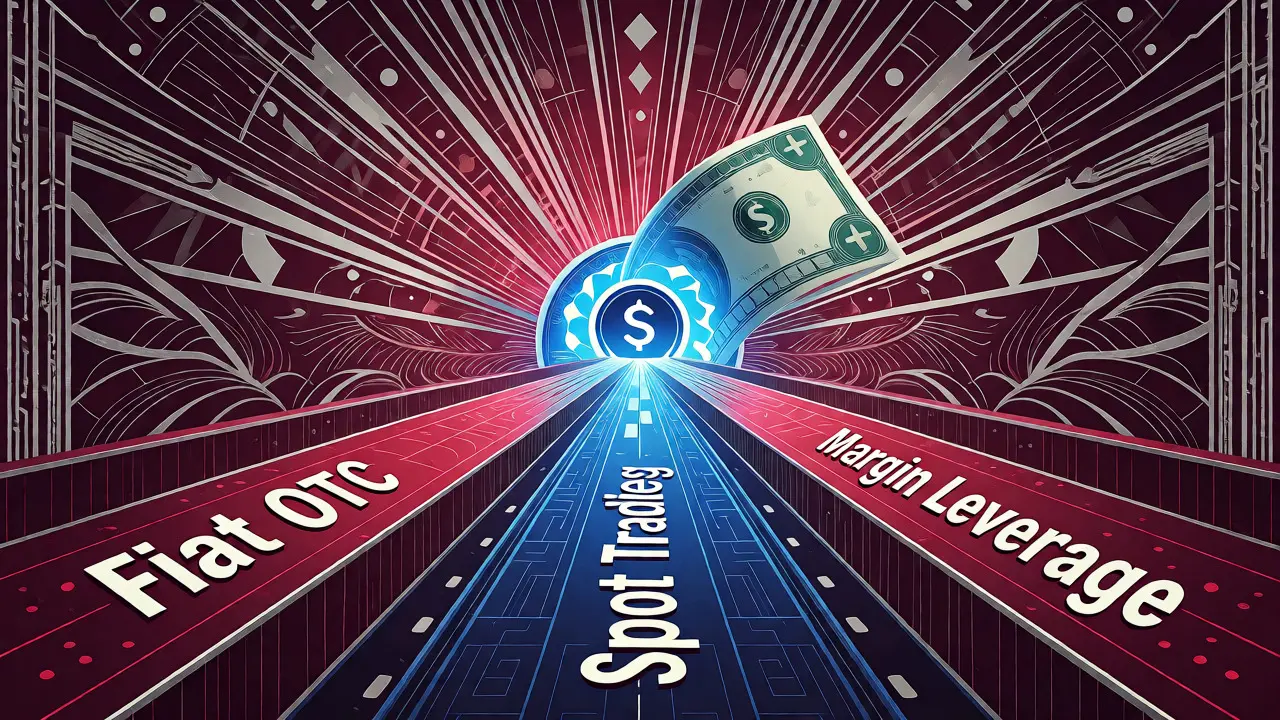
SaBi Exchange is a centralized cryptocurrency trading platform (CEX) based in Abuja, Nigeria. Unlike many offshore exchanges that treat African users as an afterthought, SaBi operates under SaBi Groups, a local entity with physical offices in Maitama. Its core mission is to bridge the gap between traditional finance and blockchain by offering Over-The-Counter (OTC) services, spot trading, and margin trading in a single interface.
The platform isn’t building its technology from scratch. It runs on Huobi Cloud infrastructure. For those who don’t know, Huobi Cloud provides the white-label engine that powers many mid-tier exchanges globally. This means SaBi leverages Huobi’s matching engine, security protocols, and liquidity pools. While this sounds like a pro, it also means SaBi is technically a subsidiary or partner leveraging existing rails rather than a fully independent tech innovator.
The leadership team adds a layer of credibility. Lucky Uwakwe, the founder and CEO, isn’t just a random trader. He holds significant roles in Nigeria’s blockchain regulatory bodies, including serving as Vice Chairman for Policy & Regulations at SiBAN (the self-regulatory body for blockchain in Nigeria). This connection suggests the company is serious about compliance and staying on the right side of Nigerian financial regulators.
Key Features and Trading Services
If you use SaBi, you aren’t limited to just buying and holding. The platform structures its services into three distinct layers, designed to keep you from needing multiple accounts.
- Fiat OTC Services: This is the big draw for Nigerians. You can convert Naira directly into stablecoins like USDT or major cryptos via negotiated trades. The platform claims coverage in over 22 countries, though the primary focus remains West Africa.
- Spot Exchange: Here, you trade crypto-to-crypto. SaBi lists hundreds of tokens, with over 240 active trading pairs. Most pairs are denominated against BTC, ETH, or USDT.
- Margin Trading: Yes, they offer leverage. You can borrow funds to increase your position size. While specific leverage ratios (like 3x or 5x) aren’t always advertised prominently, the feature exists, allowing for more aggressive strategies than simple spot buying.
A standout differentiator is their early adoption of Decentralized Finance (DeFi) tokens. Back in 2020, when most African exchanges were still figuring out how to list Bitcoin and Ethereum, SaBi listed 18 different DeFi projects. Today, they continue to prioritize these high-growth assets, giving local traders access to sectors that global giants sometimes restrict due to regulatory pressure.
Security and Custody: Can You Trust Them?
This is the part everyone cares about. When you leave money on an exchange, you are trusting them not to rug pull you. Since SaBi uses Huobi Cloud, it inherits certain security baselines associated with that infrastructure. However, "inherited" doesn't mean "guaranteed."
There is no public proof-of-reserves audit specifically for SaBi Exchange available in the standard transparency reports we see from Binance or Coinbase. They claim "secured liquidity" through HCloud, which implies shared liquidity pools, but they don’t publish detailed cold-storage percentages. For example, top-tier exchanges often state that 95% of assets are in cold storage. SaBi hasn’t released such specific metrics publicly.
Additionally, there is a notable lack of information regarding insurance. If the exchange gets hacked, is there a fund to cover user losses? The sources don’t say. This opacity is common for regional exchanges, but it requires you to trust the operational integrity of the SaBi Groups team.
Fees and Costs: What Will You Actually Pay?
Here is where things get a bit murky. Unlike global competitors that publish clear fee schedules (e.g., 0.1% maker/taker), SaBi’s exact fee structure isn’t easily found in public marketing materials. The CEO emphasizes that users "save fees" by consolidating OTC, spot, and margin trades in one place, avoiding the network fees of moving assets between exchanges. That’s true, but it doesn’t tell you the percentage cut SaBi takes per trade.
| Feature | SaBi Exchange | Global CEXs (e.g., Binance) |
|---|---|---|
| Naira Deposit | Often free via OTC partners | Varies; often higher fees for local currency |
| Trading Fees | Not publicly fixed; likely competitive | Standard 0.1% - 0.2% |
| Withdrawal Fees | Network dependent | Fixed dynamic rates |
| Hidden Costs | Potential spread in OTC rates | Transparent order book |
You should assume there is a spread in the OTC rates. When you buy USDT with Naira, the rate you get might be slightly worse than the market rate. Always check the final amount received before confirming the transaction.
The Brand Confusion Problem
This is the biggest risk factor I found. There are several platforms using the name "Sabi" or variations of it in Nigeria. You have SaBi Exchange (the crypto CEX), Sabiforex (a forex/trading platform with mixed reviews), and Sabi (a B2B commerce platform processing billions in goods). Users frequently mix them up on Trustpilot.
For instance, negative reviews about "fraud" or "non-payment" on Trustpilot often refer to Sabiforex or other entities, not necessarily the SaBi Exchange CEX powered by Huobi Cloud. One reviewer complained about losing 25,000 Naira to a "Sabi" platform, but it wasn’t clear if they meant the crypto exchange or the prediction market product. Before you sign up, verify the URL and ensure you are on the official crypto trading domain, not a look-alike investment scheme.
User Experience and Support
Because the platform relies on Huobi Cloud, the user interface feels familiar if you’ve used any major Asian-based exchange. It’s functional, dense with charts, and supports both web and mobile access. However, customer support responsiveness is hard to gauge. There are no published stats on average ticket resolution times.
Community channels exist on Telegram and Discord, which is good for real-time updates. But without transparent SLA (Service Level Agreement) guarantees for support, beginners might feel stranded if a withdrawal gets stuck during a weekend. The KYC (Know Your Customer) process follows standard Nigerian regulations, requiring BVN and ID uploads, which usually takes less than 24 hours if documents are clear.
Verdict: Who Should Use SaBi Exchange?
SaBi Exchange is a viable option for Nigerian traders who want local fiat integration without dealing with the hassle of international wire transfers. It’s particularly useful if you are interested in DeFi tokens that aren’t easily accessible elsewhere in Africa.
Use it if:
- You need direct Naira-to-Crypto conversion.
- You want access to a wide range of DeFi tokens.
- You prefer a single platform for spot and margin trading.
Be cautious if:
- You require transparent, audited proof-of-reserves.
- You are confused by similar brand names (double-check the website).
- You are moving very large sums (consider splitting deposits until you test withdrawal speed).
Is SaBi Exchange regulated in Nigeria?
SaBi Exchange operates within the framework supported by self-regulatory bodies like SiBAN and BICCoN. While Nigeria’s SEC has issued warnings on unregistered exchanges, SaBi’s leadership involvement in policy-making suggests a proactive approach to compliance, though it may not hold a full banking license like traditional financial institutions.
Does SaBi Exchange have its own native token?
No, there is no widely recognized native exchange token (like BNB or FTT) directly tied to SaBi Exchange’s corporate structure that offers fee discounts. Tokens named "SABI" found on other chains appear to be unrelated projects or meme coins.
How do I withdraw Naira from SaBi Exchange?
You typically sell your crypto for USDT or BTC, then use the OTC service to convert back to Naira. The funds are sent to your linked Nigerian bank account. Processing times vary based on OTC partner availability but are generally faster than international SWIFT transfers.
Is SaBi Exchange safe for beginners?
It is reasonably safe due to its Huobi Cloud infrastructure, but beginners should start with small amounts. The main risk is brand confusion with other "Sabi" entities, so always verify you are on the correct crypto trading platform.
What cryptocurrencies does SaBi Exchange list?
The platform lists hundreds of tokens, with a strong emphasis on DeFi projects. Major pairs include BTC, ETH, USDT, and DAI. They were among the first African exchanges to list over 18 DeFi projects.