Adzcoin: What It Is, Why It’s Missing, and What to Watch For
When you hear Adzcoin, a once-promoted cryptocurrency that disappeared without a trace. Also known as ADZ, it was marketed as a peer-to-peer digital currency with mining rewards—but no one ever built it. Adzcoin isn’t just inactive. It’s a ghost. No website, no whitepaper, no team, no community. Just a token on a few obscure explorers with zero trading volume. It’s a textbook example of a project that jumped from a hype tweet to oblivion in under a year.
What happened to Adzcoin? It followed the same path as dozens of other crypto scams, projects built on promises, not code. These aren’t failed startups—they’re scams from day one. The creators used fake social media accounts, borrowed logos from real projects, and posted fake mining calculators to trick people into buying in. Then, they vanished with the funds. Adzcoin’s story isn’t unique. It’s the same script as BITKER, LocalCoin DEX, and dozens of others you’ll find in this collection—each one a warning sign dressed up as an opportunity. You’ll see similar patterns in posts about CELT, Kalata, and SHO airdrops: no official launch, no team, no transparency. These aren’t bugs—they’re features of a scam. And the people behind them know exactly what they’re doing.
Why do these projects still show up in search results? Because scammers register domains, mint tokens, and dump them on decentralized exchanges before disappearing. The blockchain doesn’t forget. But most users don’t know how to check if a token is real. You need to look beyond the price chart. Who’s behind it? Is the contract renounced? Is liquidity locked? Are there active social channels with real engagement—or just bots? These are the questions that separate real projects from ghosts like Adzcoin.
What you’ll find below isn’t just a list of articles. It’s a survival guide. You’ll read about how North Korean hackers stole $1.5 billion from Bybit, how the SEC crushed unregistered tokens in 2024, and why airdrops like VDR and SHO are either real or rigged. You’ll learn how to spot a fake exchange, how to check if a token has real utility, and why projects like Gelato and OraiDEX survive while others like Adzcoin vanish. This isn’t about chasing the next moonshot. It’s about avoiding the next trap.
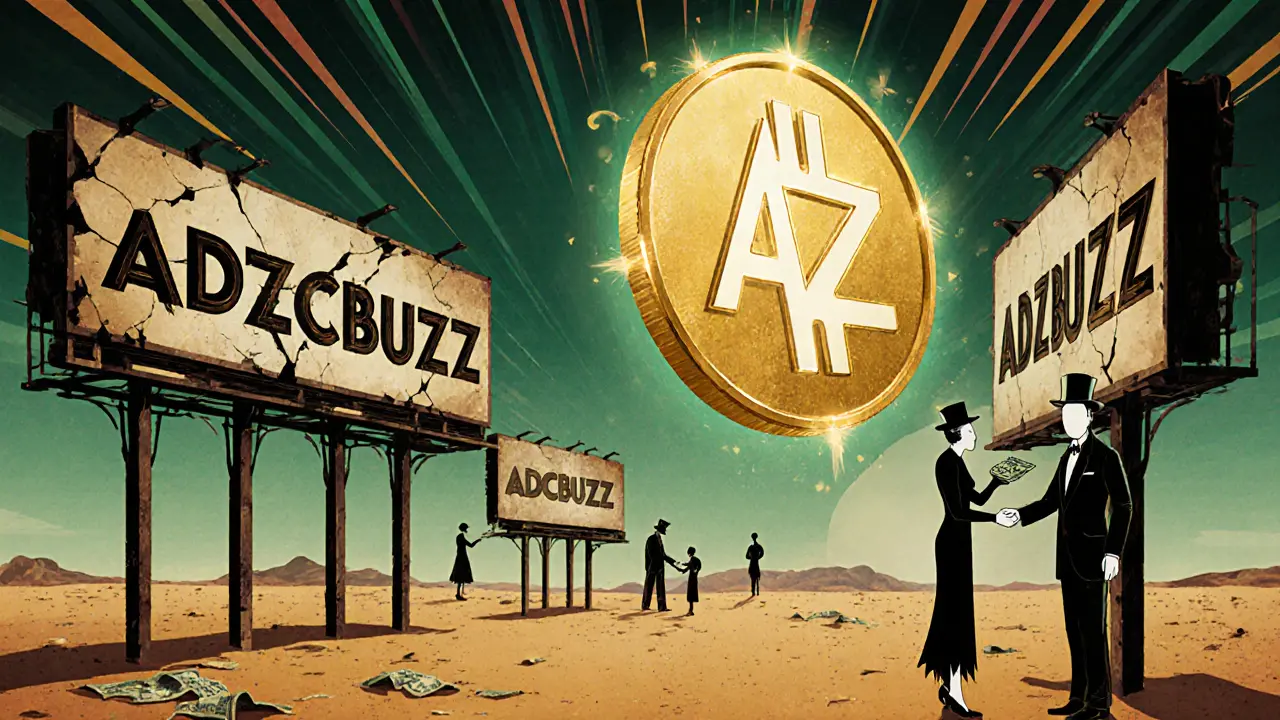
What is Adzcoin (ADZ) crypto coin? The truth about this low-liquidity crypto with red flags
Adzcoin (ADZ) is a low-liquidity crypto with no team, no code, and no real advertising network. Its price is inconsistent, trading volume is near zero, and promotional sites make fake promises. Avoid this high-risk asset.