Book of Miggles: Crypto Scams, Airdrops, and Meme Coins Explained
When people talk about the Book of Miggles, a cryptic term used to describe the collection of absurd, fraudulent, and deliberately confusing crypto projects that trick new users into wasting time and money. It's not a real token, exchange, or protocol—it's a slang term for the chaos that happens when hype outpaces reality. You’ve probably seen it in forum threads, Discord servers, or Reddit threads where someone asks, "Is Book of Miggles legit?" The answer is always no. But the real question is: why do so many people still fall for it?
The crypto scams, fraudulent projects designed to steal funds under the guise of innovation or community-driven value often wear the mask of legitimacy. Take LocalCoin DEX—it sounds real, has a fancy website, and even mimics Uniswap’s UI. But it doesn’t exist. Same with BITKER, a platform that vanished with $1.2 million in user funds. These aren’t bugs—they’re features of the scam ecosystem. And they thrive on one thing: confusion. People see a big number—420.69 trillion tokens, zero taxes, a "secret airdrop"—and assume it must be valuable. But value isn’t in supply. It’s in utility, team, and adoption. Most of these projects have none.
airdrop scams, fake token distributions that trick users into connecting wallets or paying "gas fees" to claim non-existent rewards are everywhere. Look at Kalata (KALA) and CELT. No official airdrop ever happened. Yet people still search for "KALA airdrop 2025" or "CELT distribution"—wasting hours on fake guides. Even SHO airdrop by Showcase has no official announcement, but scam sites are already harvesting wallet connections. These aren’t mistakes. They’re targeted attacks on curiosity.
Then there are the meme coins, tokens built on humor, hype, and zero fundamentals, often with absurd supplies and no real use case. POOH has 420.69 trillion tokens. RyuJin has a quadrillion. DOLZ is tied to adult NFTs. They’re not investments—they’re digital lottery tickets with near-zero odds. The only people winning are the devs who dumped their tokens before the hype peaked.
And behind all this? The DeFi tokens that sound smart but deliver little. OraiDEX uses AI, but has low liquidity. OpenLeverage lets you trade on margin, but competes with giants like GMX. Gelato automates tasks—now that’s useful. But most of the projects in this collection? They’re not building. They’re extracting.
This isn’t about technology. It’s about trust. The Book of Miggles is the graveyard of crypto dreams—filled with tokens that vanished, exchanges that disappeared, and airdrops that never existed. But you don’t have to join them. Learn to spot the red flags: no team, no utility, fake social proof, and promises that sound too good to be true. Because in crypto, if it feels like a joke, it probably is.
Below you’ll find real breakdowns of the most dangerous, confusing, and misleading projects hiding in plain sight. No fluff. No hype. Just facts.
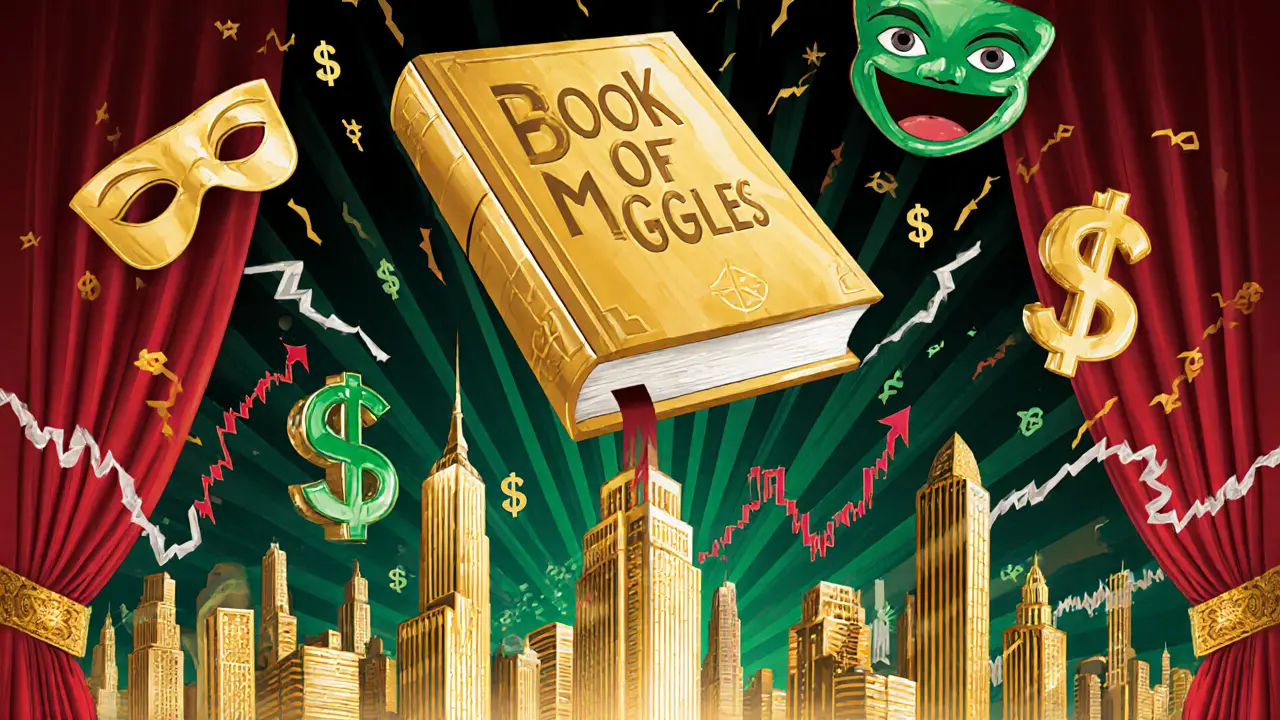
What is Book of Miggles (BOMI) Crypto Coin? The Truth Behind the Memecoin on Base Chain
Book of Miggles (BOMI) is a memecoin on the Base blockchain with no team, no utility, and no roadmap. Learn why it's high-risk, how to trade it, and why experts warn against investing.