Crypto Consumer Protection in Japan: What You Need to Know
When it comes to crypto consumer protection Japan, a system of rules and oversight designed to shield retail investors from fraud, manipulation, and unsafe platforms. Also known as Japanese crypto regulations, it's one of the most structured approaches to digital asset safety in the world. Unlike places where crypto is a wild west, Japan treats crypto exchanges like banks—requiring licenses, audits, and strict user fund segregation. The Financial Services Agency (FSA) doesn’t just watch; it acts. If an exchange doesn’t meet their standards, it gets shut down. Period.
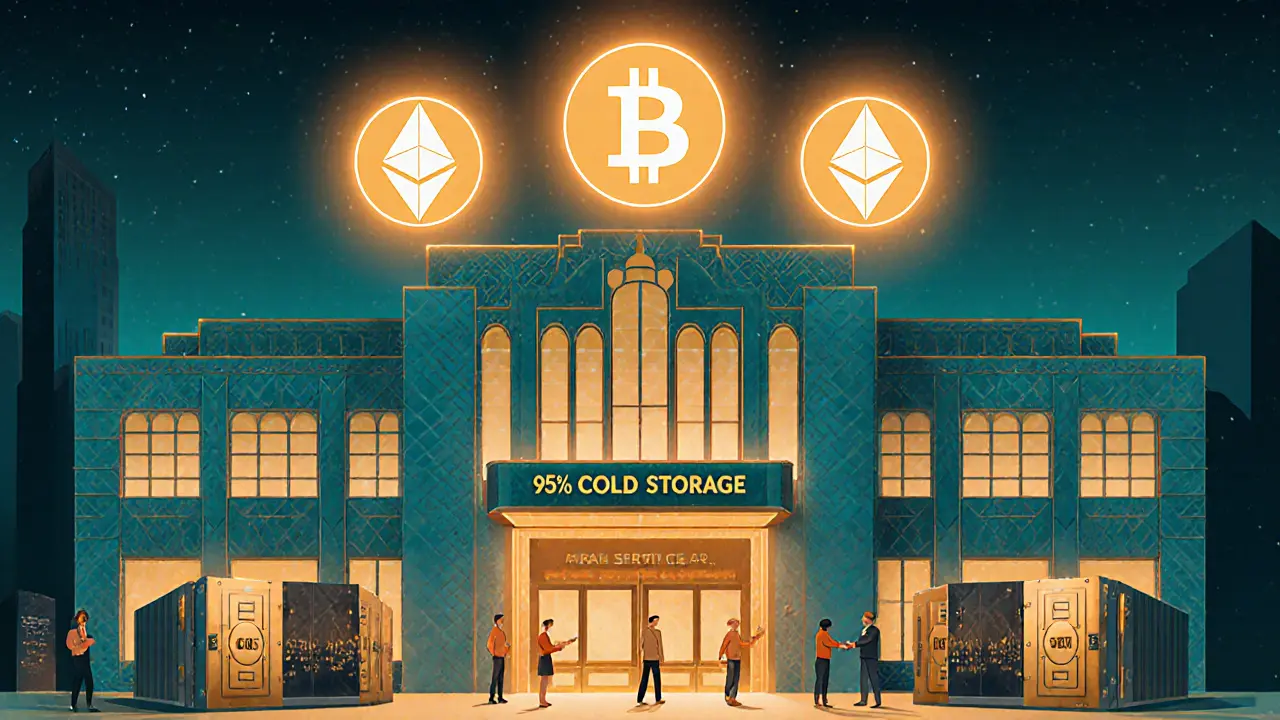
This system didn’t come from thin air. After the 2018 Coincheck hack that lost $530 million in NEM tokens, Japan didn’t panic—it rebuilt. The FSA forced every exchange operating in Japan to register, prove they had cold storage, cybersecurity, and anti-money laundering controls. Today, only 27 exchanges are licensed. That’s it. No gray area. No unregistered platforms allowed to operate legally. If you’re trading on a platform in Japan, it’s because the FSA said it’s safe enough to be there. That’s not the case in most countries.
But protection isn’t just about who’s allowed to operate. It’s also about what’s banned. Japan was one of the first countries to ban anonymous crypto trading. No more privacy coins on licensed exchanges—Monero and Zcash got delisted years ago. Margin trading is capped at 2x leverage. And every exchange must report suspicious activity to authorities. The government even runs public awareness campaigns to warn people about fake airdrops and phishing sites. It’s not perfect—scams still happen, especially through overseas platforms—but the system makes it harder for fraud to spread.
What you won’t find in Japan is the kind of hype-driven crypto culture you see elsewhere. No celebrity-endorsed tokens. No unregulated DeFi protocols promoted as get-rich-quick schemes. If a coin doesn’t have a real team, a clear use case, and a compliant exchange listing, it doesn’t get traction. That’s why so many low-cap meme coins and ghost projects you see on other sites simply don’t exist in Japan’s market. The rules filter them out.
For users, this means less noise and more safety—but also fewer options. You won’t find obscure tokens or high-leverage trading on Japanese exchanges. But you also won’t wake up to find your wallet drained because you trusted a fake platform. The trade-off is clear: less excitement, more security.
Below, you’ll find real-world examples of what happens when crypto protection works—and when it doesn’t. From sanctioned exchanges to scam warnings and regulatory crackdowns, these posts show how Japan’s model plays out on the ground. Whether you’re a trader, a investor, or just trying to stay safe, this collection gives you the facts—not the fluff.
Consumer Protection for Crypto in Japan: What You Need to Know in 2025
Japan has one of the world's strictest crypto consumer protection systems. Learn how cold storage, fund segregation, fast refunds, and new securities rules keep users safe in 2025.