Crypto Exchange Nigeria: Safe Platforms, Risks, and How to Trade Legally
When you're looking for a crypto exchange Nigeria, a platform where Nigerians buy, sell, and trade digital assets like Bitcoin, Ethereum, and USDT. Also known as Nigerian crypto trading platforms, these services let you turn naira into crypto without needing a bank that’s willing to help. But not all exchanges are created equal—some are safe, some are sketchy, and some are outright scams designed to vanish with your money.
Many Nigerians use crypto because traditional banking is slow, expensive, or outright hostile to crypto transactions. With inflation eating into salaries and banks freezing accounts linked to crypto, people turn to peer-to-peer (P2P) platforms like Binance P2P, Paxful, and Bybit. These platforms let you trade directly with other users using bank transfers, mobile money, or even airtime. But here’s the catch: if you’re trading on a platform that doesn’t have clear rules, customer support, or KYC checks, you’re playing with fire. The Central Bank of Nigeria doesn’t ban crypto itself, but it bans banks from servicing crypto businesses. That means you’re on your own if something goes wrong.
That’s why you need to know the difference between a real exchange and a fake one. A real exchange has a public team, verifiable support channels, and clear fee structures. A fake one promises unrealistic returns, asks for your private keys, or disappears after you deposit. We’ve seen this over and over—platforms like Bololex and Nominex show up with flashy ads, vanish after a few months, and leave users with empty wallets. Even some local platforms that claim to be "Nigerian-made" are just fronts for money laundering or exit scams. Always check reviews from real users, not just paid testimonials.
Stablecoins like USDT are the lifeline for most Nigerian traders. They’re used to dodge currency controls, send money abroad, or buy goods from international sellers. But even stablecoins aren’t risk-free. Some are backed by real reserves, others are just digital IOUs with no audit. Always prefer USDT issued by Tether, not some random token with the same name. And remember: if a platform gives you free crypto just for signing up, it’s probably a trap.
Regulations are changing fast. While the SEC Nigeria hasn’t cracked down on individual traders yet, they’re watching. Exchanges that operate without licenses risk being shut down overnight. That’s why the most trusted platforms for Nigerians are global ones with strong compliance teams—not local startups with no track record. You don’t need to be a tech expert to trade safely. You just need to know where to look, what to avoid, and how to protect your funds.
Below, you’ll find real reviews of exchanges used by Nigerians, deep dives into scams that have targeted local traders, and clear breakdowns of how to trade crypto without getting burned. No fluff. No hype. Just what works—and what doesn’t—in Nigeria’s crypto scene right now.
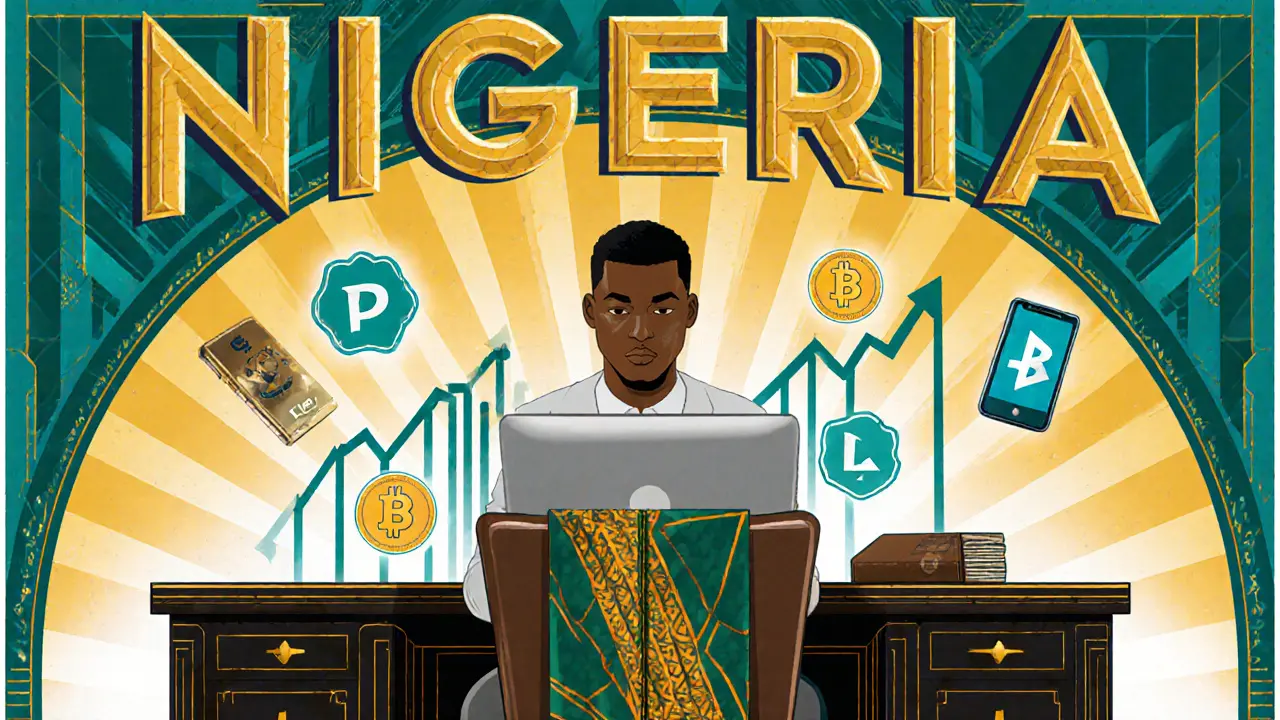
How to Buy Crypto for Fiat in Nigeria: Step-by-Step Guide for 2025
Learn how to buy crypto with Nigerian Naira in 2025 despite CBN restrictions. Step-by-step guide on safe platforms, payment methods, and avoiding scams.