Crypto Exchange Safety in Japan: What You Need to Know Before Trading
When you trade crypto in Japan, a country with some of the world’s strictest digital asset regulations. Also known as the Japanese crypto market, it’s one of the few places where exchanges must be licensed by the Financial Services Agency (FSA) to operate legally. That doesn’t mean it’s safe—just that the rules are clearer than in most countries. Many traders assume licensing equals security, but that’s not always true. Even licensed exchanges can have weak internal controls, slow support, or hidden fees. And unlicensed platforms? They’re still out there, often disguised as "Japanese-friendly" services targeting foreigners.
Japan’s crypto rules force exchanges to keep customer funds separate from company money, require two-factor authentication, and conduct regular audits. But these are baseline standards—not guarantees. Look at what happened with Coincheck, a once-popular Japanese exchange that lost $530 million in NEM tokens in 2018. It was FSA-licensed. The breach wasn’t due to a lack of rules—it was due to poor execution. Since then, the FSA has cracked down harder, but the damage left scars. Many Japanese users still avoid exchanges altogether and use peer-to-peer platforms or over-the-counter desks to stay under the radar. Meanwhile, foreign traders trying to access Japanese exchanges often run into roadblocks: strict KYC, limited fiat options, and withdrawal delays. If you’re not a resident, you might be better off using offshore platforms that accept Japanese yen—but then you lose the protection of Japanese law.
What makes crypto exchange safety in Japan different isn’t just the law—it’s the culture. Japanese users tend to prioritize stability over high returns. That’s why platforms like bitFlyer and Zaif still have loyal followings, even with mediocre trading tools. But the flip side? Innovation moves slowly. New DeFi features, low-fee trading, and advanced order types are rare. You’re trading in a regulated bubble—safe, but not exciting. And if you’re looking for anonymity, forget it. Japan’s system is built on transparency, not privacy. Even meme coins like SMOLE and PONKE can’t be traded on Japanese exchanges without full identity verification.
Below, you’ll find real reviews and deep dives into exchanges used by Japanese traders—some legal, some borderline, and others outright risky. You’ll see how sanctions, bank restrictions, and platform failures shape what’s actually available. No fluff. Just what works, what doesn’t, and who’s still trying to slip through the cracks.
Consumer Protection for Crypto in Japan: What You Need to Know in 2025
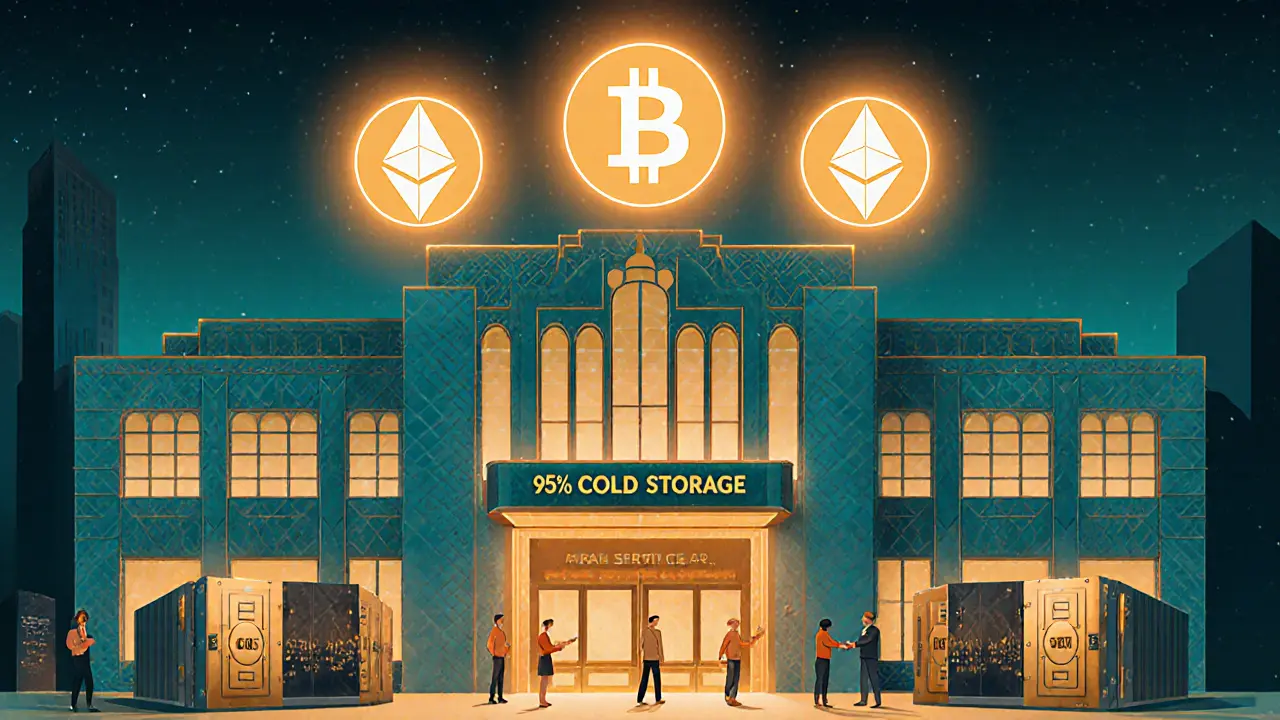
Japan has one of the world's strictest crypto consumer protection systems. Learn how cold storage, fund segregation, fast refunds, and new securities rules keep users safe in 2025.