Defunct Crypto Exchange: What Happens When a Crypto Platform Dies
When a defunct crypto exchange, a digital trading platform that has shut down permanently, often due to fraud, regulatory pressure, or poor management. Also known as a failed crypto exchange, it leaves behind empty wallets, silent customer support, and users wondering where their money went. This isn’t rare. In the last five years, over 200 crypto exchanges have vanished without a trace. Some were scams from day one. Others started legit, then collapsed under regulatory scrutiny, internal theft, or just bad decisions. The result? People lose life savings—not because they made a bad trade, but because the platform they trusted stopped existing.
What makes a crypto exchange scam, a platform designed to steal funds under the guise of offering trading services different from a failed crypto exchange, a once-legit platform that collapsed due to operational or financial failure? The line is blurry. CPUfinex pretended to be CoinEx. Bololex promised fake future prices. Nominex had no real support. Garantex kept running after sanctions. Each one looked real until it wasn’t. These platforms often copy names, mimic interfaces, and use fake testimonials to trick you into depositing. Once you send crypto in, the exit is blocked—either by design or by collapse.
Why do these exchanges keep appearing? Because crypto is still wild west. No central authority watches every platform. Many users don’t check if a site is registered with regulators. They see low fees, high yields, or a slick website and assume it’s safe. But real exchanges don’t hide their team, avoid audits, or vanish from social media overnight. If a platform doesn’t have a public leadership team, no transparent audits, and no history of customer service, it’s a red flag. And if it’s not listed on CoinMarketCap or CoinGecko, you should ask why.
The fallout is brutal. Once a abandoned crypto platform, a crypto exchange that has ceased operations with no recovery plan or communication to users shuts down, your assets are usually gone for good. Unlike banks, crypto exchanges don’t have FDIC insurance. You can’t call the police and expect them to recover your Bitcoin. Legal action is slow, expensive, and rarely successful. That’s why prevention matters more than recovery. Check the exchange’s history. Look for real user reviews—not fake ones on Trustpilot. See if they’ve been flagged by regulators like the SEC or FCA. And never keep large amounts on any exchange, no matter how long it’s been around.
Below, you’ll find real cases of exchanges that disappeared—some because they were scams, others because they just couldn’t survive. You’ll see how they tricked users, what red flags were ignored, and how people lost everything. These aren’t hypotheticals. These are real stories. And if you’re trading crypto today, you need to know how to avoid becoming the next one.
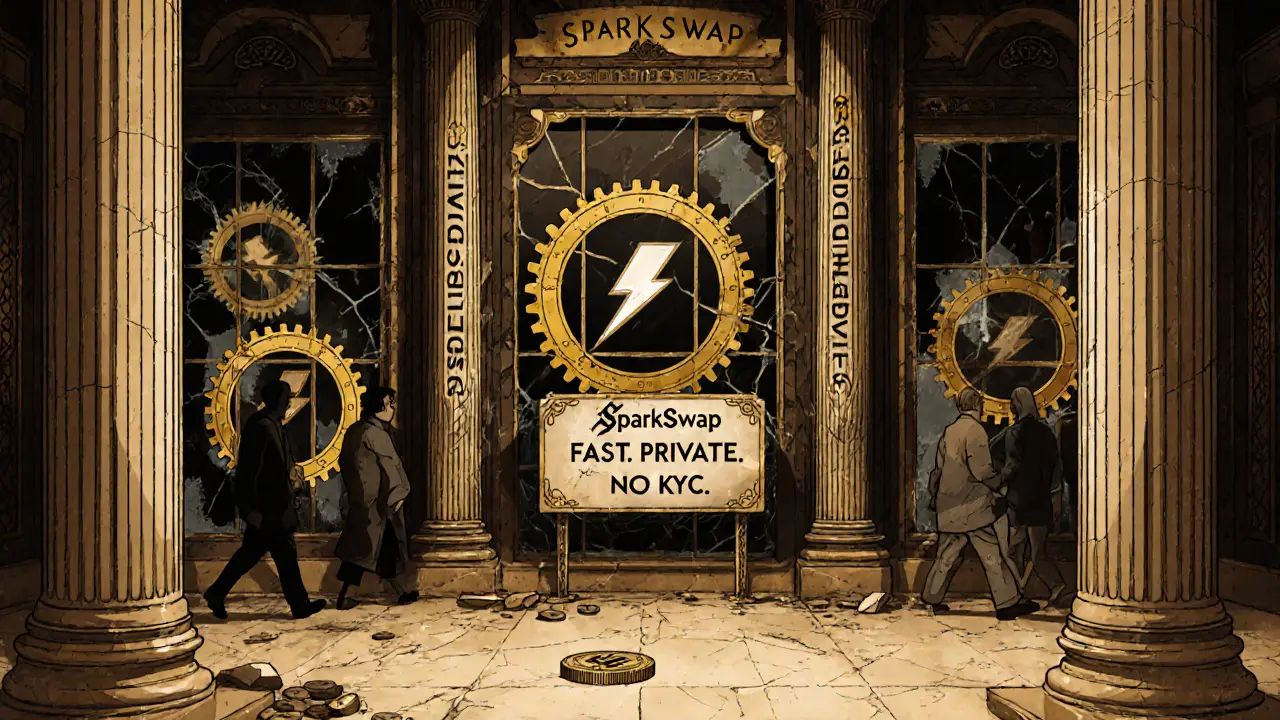
SparkSwap Crypto Exchange Review: What Happened and What’s Still Active
SparkSwap refers to three different crypto projects - one shut down in 2023, one is inactive, and one is a yield farm on PulseChain. This review clarifies which is real, which to avoid, and what to expect if you're still considering it.