DTSP License Singapore: What It Is and Why It Matters for Crypto Businesses
When you hear DTSP license Singapore, a Digital Payment Token license issued by the Monetary Authority of Singapore (MAS) to companies offering crypto services. It's not just a permit—it's the legal gateway to operate crypto exchanges, custodial wallets, or token trading platforms in one of the world’s strictest but most respected financial hubs. This license replaced the old Payment Services Act framework in 2020 and now governs everything from buying Bitcoin to running a crypto ATM. If a company wants to touch digital assets in Singapore, they need this license—or they’re breaking the law.
The Monetary Authority of Singapore, the central bank and financial regulator overseeing all digital asset activities in the country doesn’t hand these out lightly. Applicants must prove they have strong anti-money laundering controls, secure custody systems, and a local physical presence. They also need to show they can handle customer funds safely and report suspicious activity. That’s why only about 20 companies have gotten the license so far, even though hundreds applied. It’s not about speed—it’s about trust. And for users, that means fewer scams and more accountability.
What makes the DTSP license different from other crypto rules? It’s not just about compliance. It’s about legitimacy. In places like Nigeria or Turkey, crypto is either banned or in legal gray zones. In Singapore, if you have a DTSP license, you’re officially recognized. That opens doors to banks, partnerships, and even institutional investors. It also means your customers can trust you—not because you say so, but because the government says so.
And it’s not just exchanges. The license covers anything involving digital payment tokens: staking services, crypto lending platforms, even some NFT marketplaces if they’re trading tokens as payment. If you’re building a crypto product in Asia, getting a DTSP license isn’t optional—it’s the first step to scaling smart. But it’s expensive, slow, and complex. That’s why so many startups still operate offshore, risking fines or shutdowns.
Behind every licensed crypto firm in Singapore is a team of lawyers, auditors, and compliance officers working nonstop. That’s the cost of doing business in a place where regulators don’t just watch—they shape the future. And that’s why the posts below cover everything from exchange reviews to enforcement actions: because if you’re dealing with crypto in Asia, you’re dealing with Singapore’s rules—even if you’re not based there.
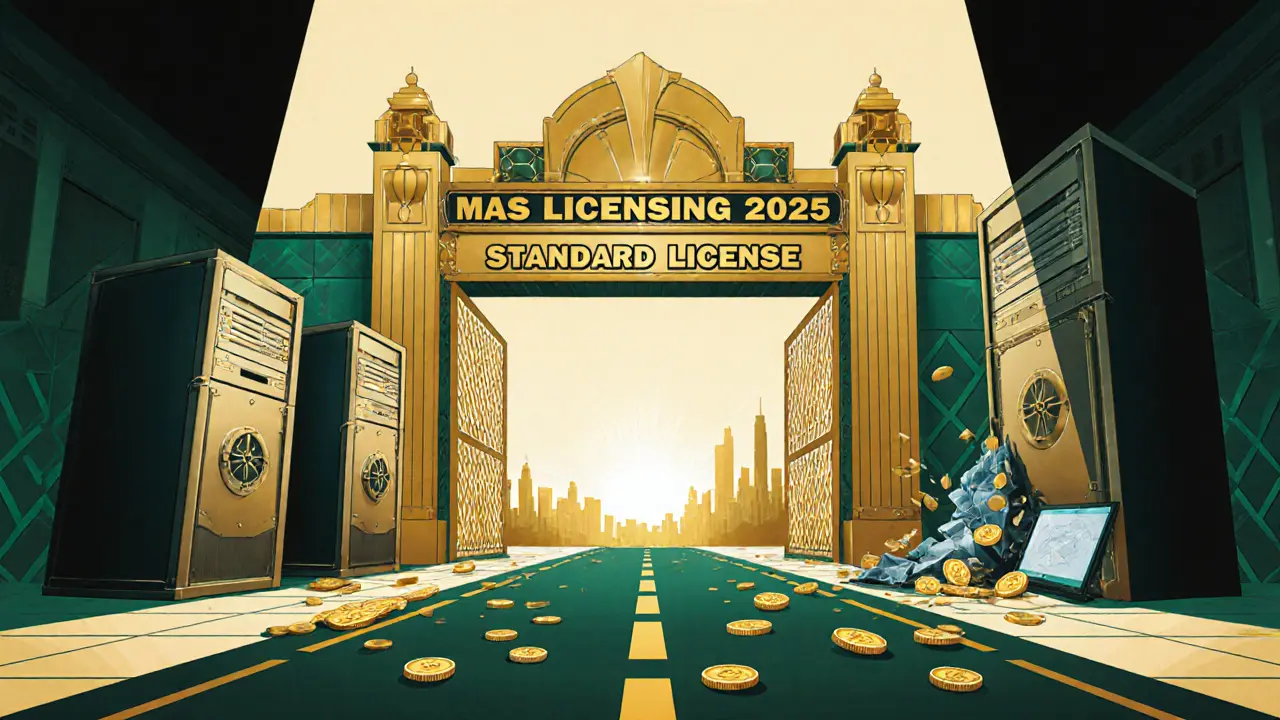
Crypto Exchange Licensing Requirements in Singapore: What You Need to Know in 2025
Singapore’s crypto exchange licensing rules changed in June 2025. Now, all exchanges operating from Singapore-even those serving overseas clients-must hold a license. Learn the two license types, capital requirements, application steps, and what happens if you don’t comply.