ERC20 Token: What It Is, How It Works, and Why It Powers Most Crypto Projects
When you hear about a new crypto coin like ERC20 token, a standardized digital asset built on the Ethereum blockchain that follows a set of rules for transfers, balances, and approvals. Also known as Ethereum token, it doesn’t exist as its own blockchain — it runs on top of Ethereum using smart contracts. That’s the key difference: Bitcoin is a coin with its own network. An ERC20 token is a piece of code that lives inside Ethereum’s network. Think of it like an app running on your phone — the phone is Ethereum, the app is the token.
ERC20 isn’t just a fancy term — it’s the reason you can swap DYP for LIQUID on a decentralized exchange without needing a new blockchain for each one. It gives every token the same basic functions: transfer tokens, check your balance, approve someone else to spend your tokens. That’s why platforms like Uniswap or Camelot can list hundreds of tokens without rewriting their code each time. Without ERC20, crypto would be a mess of incompatible systems. You’d need a different wallet for every project. You couldn’t trade one token for another easily. And DeFi? It wouldn’t exist. The standard is what lets smart contract, self-executing code on Ethereum that automatically handles token transfers and rules do their job. It’s also why you see so many failed tokens — because anyone can create an ERC20 token with zero utility. All it takes is a few lines of code and a name. That’s why you’ll find tokens like B3X with no circulating supply, or SSU with 99.9% price drops — they’re all ERC20, but that doesn’t mean they’re valid.
ERC20 tokens are used everywhere: for gaming rewards like GMEE, for DeFi yields like HIFI, for meme coins like SMOLE and ELON, even for airdrops like EQ or KAKA. But here’s the catch — just because something is an ERC20 token doesn’t make it safe, useful, or real. The standard doesn’t guarantee value. It just makes it easy to move. That’s why the posts below dig into the truth behind specific tokens: who’s behind them, what’s their volume, do they have a community, or are they just ghost assets floating on Ethereum? You’ll see how some tokens solve real problems — like Hifi Finance locking in fixed rates — while others are pure speculation with no team, no roadmap, and no future. This isn’t about the tech. It’s about what people do with it. And in crypto, that’s what separates the winners from the ghosts.
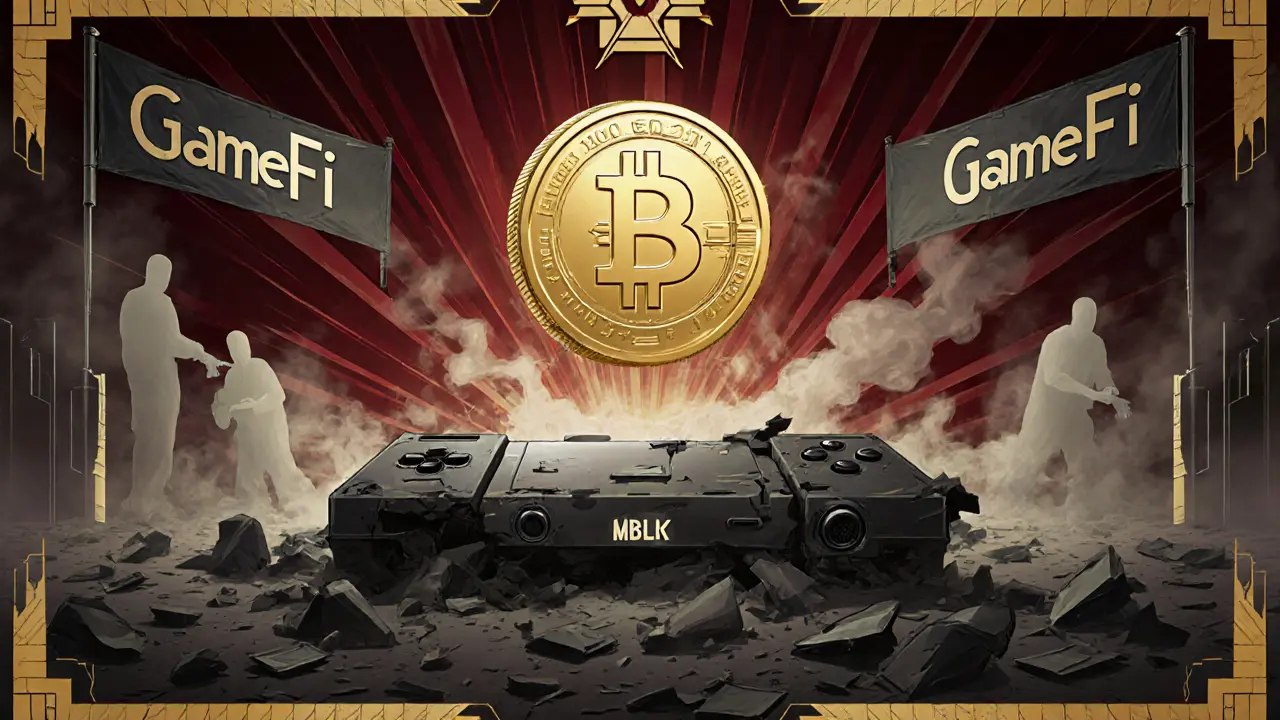
What is Magical Blocks (MBLK) crypto coin? Full breakdown of the token, price, and risks
Magical Blocks (MBLK) is a low-cap ERC20 GameFi token launched in 2023 with no real game, no community, and a 99.7% price crash. Learn why it's not worth investing in.