Fiat to Crypto Nigeria: How to Buy Bitcoin and Altcoins with Naira Safely
When you’re in Nigeria and want to turn fiat to crypto Nigeria, the process of converting Nigerian Naira into digital assets like Bitcoin or Ethereum. Also known as Naira to Bitcoin, it’s not just a technical step—it’s a lifeline for millions dealing with inflation, bank restrictions, and unstable currency values. Unlike in places where banks openly support crypto, Nigerian users face closed accounts, withdrawal limits, and sudden policy shifts. But that hasn’t stopped people. In fact, Nigeria ranks among the top countries globally for peer-to-peer crypto trading, with over 30% of adults owning or using digital assets in 2024.
That’s because Nigerian crypto exchange, platforms like Binance P2P, Paxful, and Luno that let you trade Naira directly for crypto without bank intermediaries have become essential. These services let you pay via bank transfer, mobile money, or even cash deposits—bypassing traditional finance entirely. But not all are safe. Some platforms disappear overnight, others charge hidden fees, and a few are outright scams. The key is knowing which ones have real volume, verified traders, and active customer support. Meanwhile, crypto regulations Nigeria, the evolving legal framework from the Central Bank of Nigeria that restricts banks from servicing crypto businesses has pushed trading underground, making P2P the default method. This isn’t illegal—it’s just unregulated, so you’re on your own for security.
What you’ll find in the posts below aren’t generic guides. They’re real breakdowns of platforms Nigerians actually use—like OMGFIN and Nominex—and warnings about fake exchanges that steal funds. You’ll see how traders bypass bank blocks using USDT, how to spot a scam P2P ad, and why some apps promise high returns but vanish after you deposit. There’s no fluff. Just what works, what doesn’t, and how to protect your money when the system isn’t designed to help you.
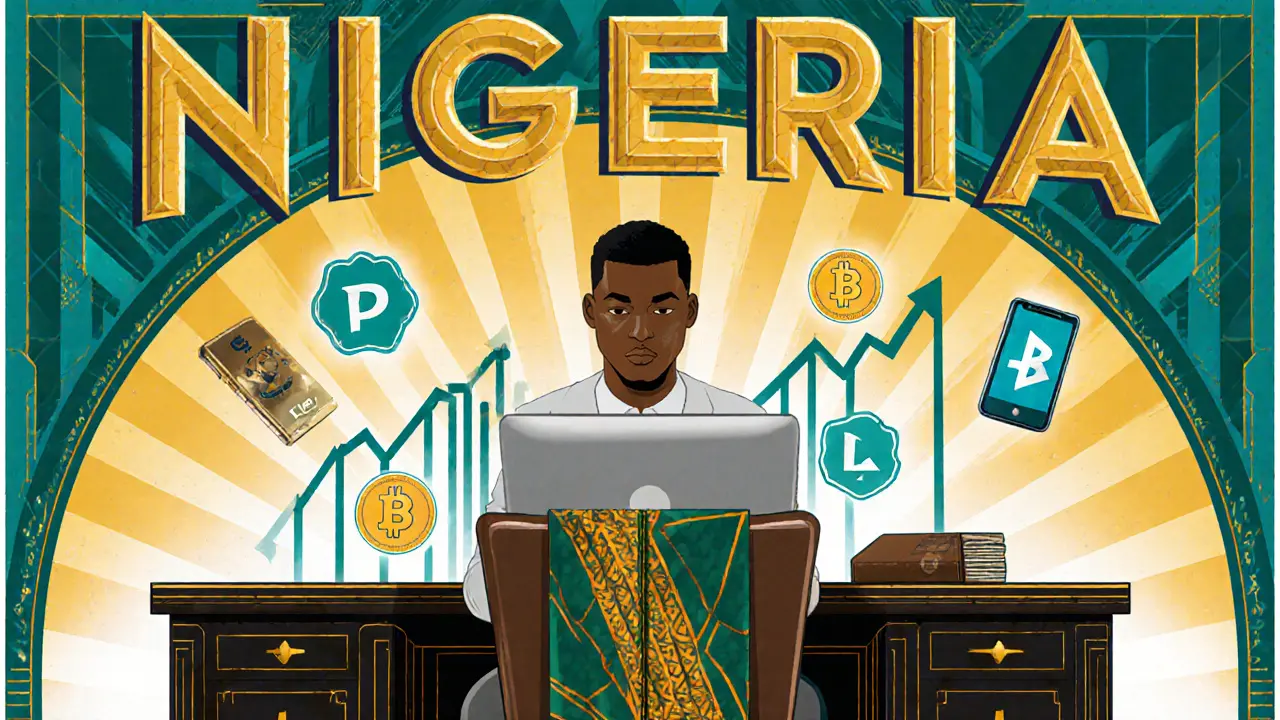
How to Buy Crypto for Fiat in Nigeria: Step-by-Step Guide for 2025
Learn how to buy crypto with Nigerian Naira in 2025 despite CBN restrictions. Step-by-step guide on safe platforms, payment methods, and avoiding scams.