FSA Crypto Rules: What You Need to Know About Financial Surveillance and Digital Asset Regulations
When you trade crypto in the UK, you’re not just dealing with price charts — you’re navigating FSA crypto rules, the regulatory framework enforced by the UK Financial Conduct Authority to monitor digital asset markets and prevent financial crime. Also known as UK crypto regulations, these rules require exchanges to register, report suspicious activity, and verify users — turning crypto from a wild west into a monitored system. This isn’t theoretical. It’s why platforms like Nominex and OMGFIN aren’t available in the UK, why Garantex got flagged for sanctions evasion, and why privacy coins like Monero are being pulled from major exchanges.
The Financial Surveillance, the practice of tracking financial flows to detect money laundering, tax evasion, and illicit activity. Also known as crypto monitoring, it’s the backbone of how the FSA enforces its rules directly impacts everyday users. If you’re using a non-KYC exchange, sending crypto to a Russian wallet, or trading low-cap tokens with no trading volume — you’re already in the FSA’s crosshairs. The rules don’t just target big players. They catch anyone moving crypto in ways that look unusual. That’s why Bnext Token (B3X) and Sunny Side Up (SSU) are red flags — zero supply, zero community, zero traceability. These aren’t just bad investments; they’re compliance nightmares.
And it’s not just about blocking scams. The crypto compliance, the set of legal and operational steps crypto businesses must follow to stay within regulatory boundaries. Also known as AML/KYC for crypto, it’s what separates licensed platforms from shadow networks shapes what tools you can use. If you’re in Nigeria, you’re dealing with CBN restrictions. In Nepal, you’re risking jail to send remittances. In Russia, banks cap crypto withdrawals at 50,000 rubles. The FSA rules don’t exist in a vacuum — they’re part of a global shift where every crypto transaction leaves a paper trail. Even meme coins like Smolecoin (SMOLE) or Official Elon Coin (ELON) can trigger alerts if they’re traded through unregistered platforms.
What you’ll find below isn’t a list of news articles. It’s a collection of real cases showing how FSA crypto rules play out in the wild — from delisted privacy coins to sanctioned exchanges, from ghost tokens with no supply to DeFi platforms that walk the line. These aren’t hypotheticals. They’re what happens when regulation meets real users, real wallets, and real money. Whether you’re trying to trade safely, avoid scams, or just understand why your favorite token got pulled — this is the context you need.
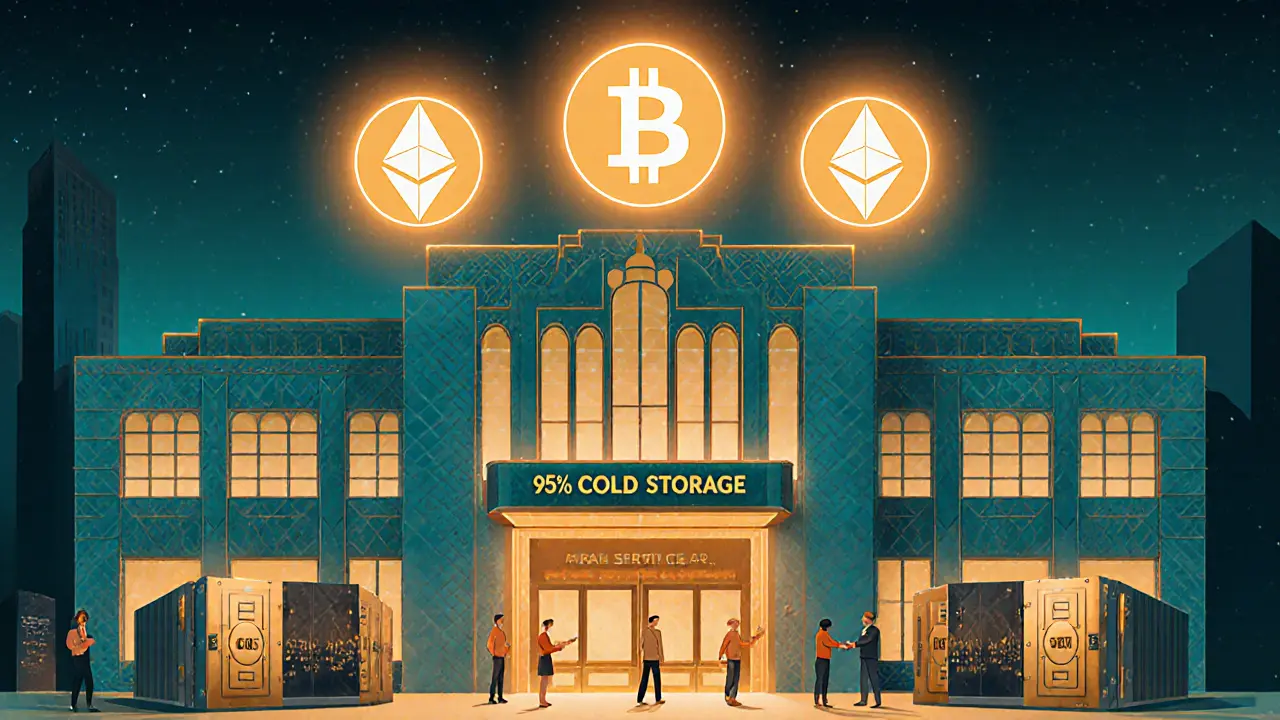
Consumer Protection for Crypto in Japan: What You Need to Know in 2025
Japan has one of the world's strictest crypto consumer protection systems. Learn how cold storage, fund segregation, fast refunds, and new securities rules keep users safe in 2025.