HSK Token: What It Is, Where It Stands, and What You Need to Know
When you hear HSK token, a digital asset on a blockchain that claims to represent value or access, though its origins and purpose remain obscure. Also known as HSK cryptocurrency, it appears in wallet trackers and low-traffic exchanges—but rarely in meaningful discussions about real utility. Unlike major tokens tied to clear projects like Hedera or Arbitrum, HSK doesn’t have a whitepaper, a known team, or visible development activity. It’s not listed on any top exchange. It doesn’t power a DeFi protocol. It doesn’t even have a working website you can trust.
That doesn’t mean it’s fake—but it does mean you’re walking into a gray zone. Most tokens like this emerge from anonymous teams, get listed on obscure platforms, and rely on hype or low-volume trading to create the illusion of activity. You’ll find HSK on a few decentralized exchanges with under 100 daily trades, and its price moves in tiny, erratic spikes. There’s no community to speak of—no Telegram group with real activity, no Reddit thread with useful questions, no Twitter account with consistent updates. If it were a real project, someone would be talking about it. But they’re not.
HSK token relates to other obscure digital assets like B3X, SSU, and SMOLE—all low-cap tokens with no clear use case, minimal liquidity, and high risk. These aren’t investments. They’re speculative bets on noise. If you’re looking for tokens that solve problems, you’ll find them in posts about Hedera’s hashgraph, Arbitrum’s low fees, or institutional crypto infrastructure. But if you’re curious about HSK, you’re probably wondering: Is this a hidden gem, or just another ghost in the crypto graveyard?
The data doesn’t support HSK as anything more than a placeholder. No audits. No team disclosures. No roadmap. No partnerships. Even the token contract on Etherscan shows no transfers in months. That’s not a sign of patience—it’s a sign of abandonment. Some tokens die quietly. Others get rebranded. HSK hasn’t done either. It just sits there, floating in the market, unnoticed by everyone except bots and people chasing tiny price movements.
So why does it still exist? Because crypto has thousands of tokens, and most of them were never meant to last. The system doesn’t require them to have value—it only requires someone to believe they might. That’s the trap. HSK doesn’t need to be good. It just needs to be bought once, then sold to someone else who thinks it’s about to explode. But in 2025, with regulations tightening and wallets getting smarter, those days are fading fast.
Below, you’ll find posts that cut through the noise. You’ll see how real tokens are built, how scams hide in plain sight, and what actually matters when you’re evaluating a digital asset. You won’t find a single post here about HSK—but you’ll find everything you need to know to tell the difference between something real and something that’s just pretending to be.
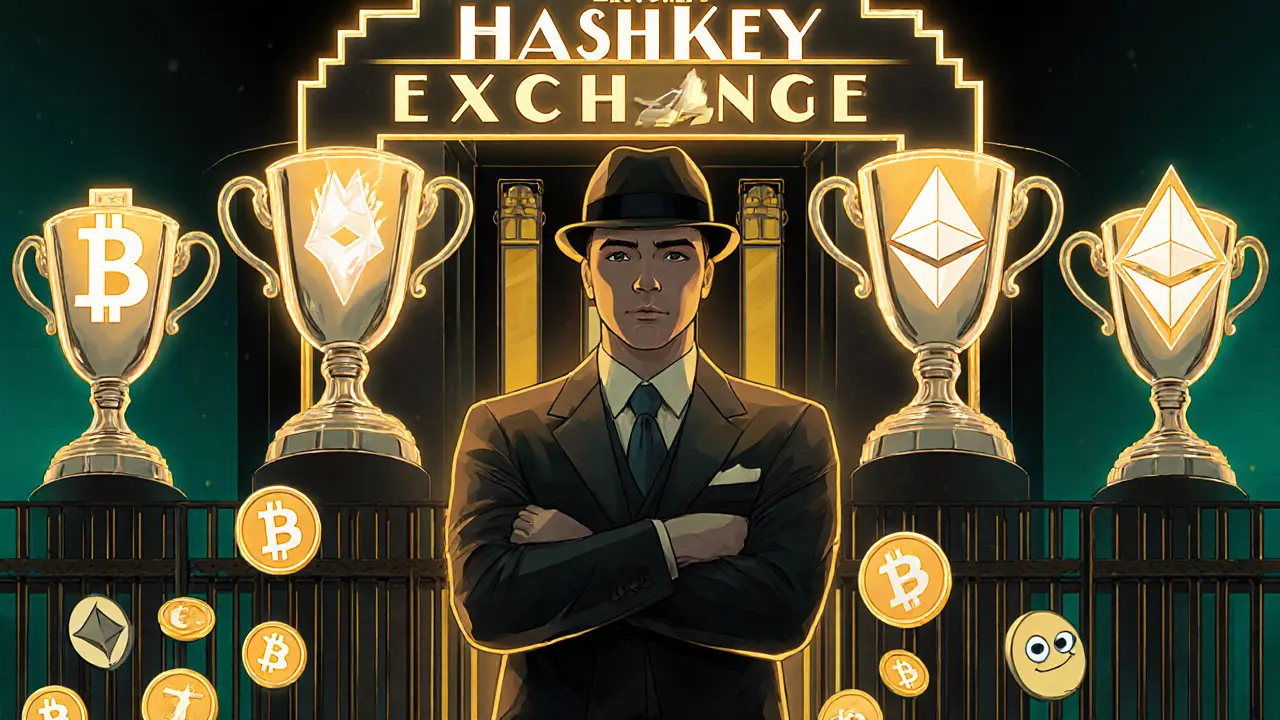
HashKey Exchange Crypto Exchange Review: Regulatory Strength vs. Limited Features
HashKey Exchange is a licensed crypto platform in Hong Kong, offering strong security and regulatory compliance but limited coins and trading tools. Ideal for institutional users and those in Asia seeking safe, legal trading.