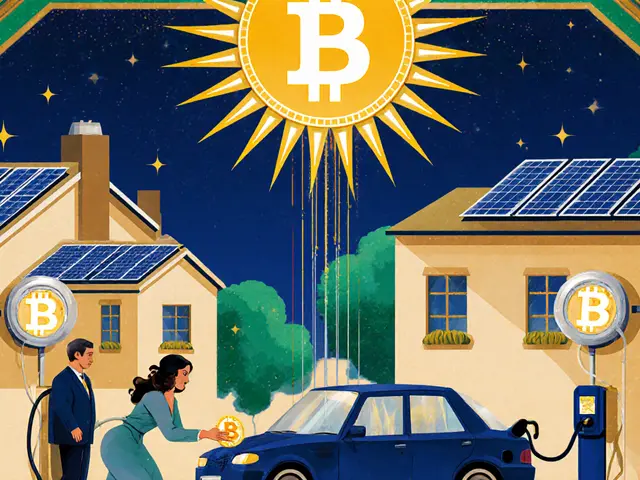
NFT Interoperability: How Digital Assets Move Across Blockchains
When you own an NFT, a unique digital asset stored on a blockchain that proves ownership. Also known as non-fungible token, it’s supposed to be yours forever—until you realize it’s locked inside one app, one game, or one blockchain. That’s where NFT interoperability, the ability for NFTs to be used, transferred, or displayed across different blockchain networks comes in. Without it, your rare digital sneaker from one game can’t walk into another. Your art from one marketplace can’t hang on a virtual wall in a different metaverse. It’s like owning a key that only opens one door—even if you have a whole house full of locks.
NFT interoperability isn’t just a nice feature—it’s the missing piece that turns isolated digital collectibles into a real economy. It relies on cross-chain NFTs, tokens that can move between blockchains like Ethereum, Solana, or Polygon without losing their identity or value. This isn’t magic. It’s built using bridges, standardized metadata formats, and smart contracts that recognize each other. Projects like NFT interoperability protocols are solving the problem of fragmented ownership. Imagine trading your NFT from a game on Ethereum to a virtual land on Avalanche—without converting it, without losing its history, and without paying a fortune in gas. That’s the goal. And it’s already happening in small ways: some NFT wallets now support multiple chains, and marketplaces are starting to show assets from other networks. But the big challenge? Security. Every bridge is a potential target. Every new standard creates more complexity. And not every NFT is built to travel—many still rely on chain-specific rules that break when moved.
Real NFT interoperability means your digital items gain real utility. It turns static images into living assets that can be used, rented, traded, or upgraded across platforms. It’s why players in blockchain games care so much about it. It’s why artists want their work to appear everywhere—not just on one site. And it’s why wallets and exchanges are racing to support it. You don’t need to be a developer to benefit. You just need to know which NFTs can move, which platforms support them, and where to look for the next wave of connected digital worlds. Below, you’ll find real examples of what’s working, what’s broken, and what’s still just a promise. Some posts show you scams hiding behind the idea. Others reveal tools that actually make NFTs work across chains. No fluff. Just what you need to know to keep your assets useful—and yours—no matter where they go.
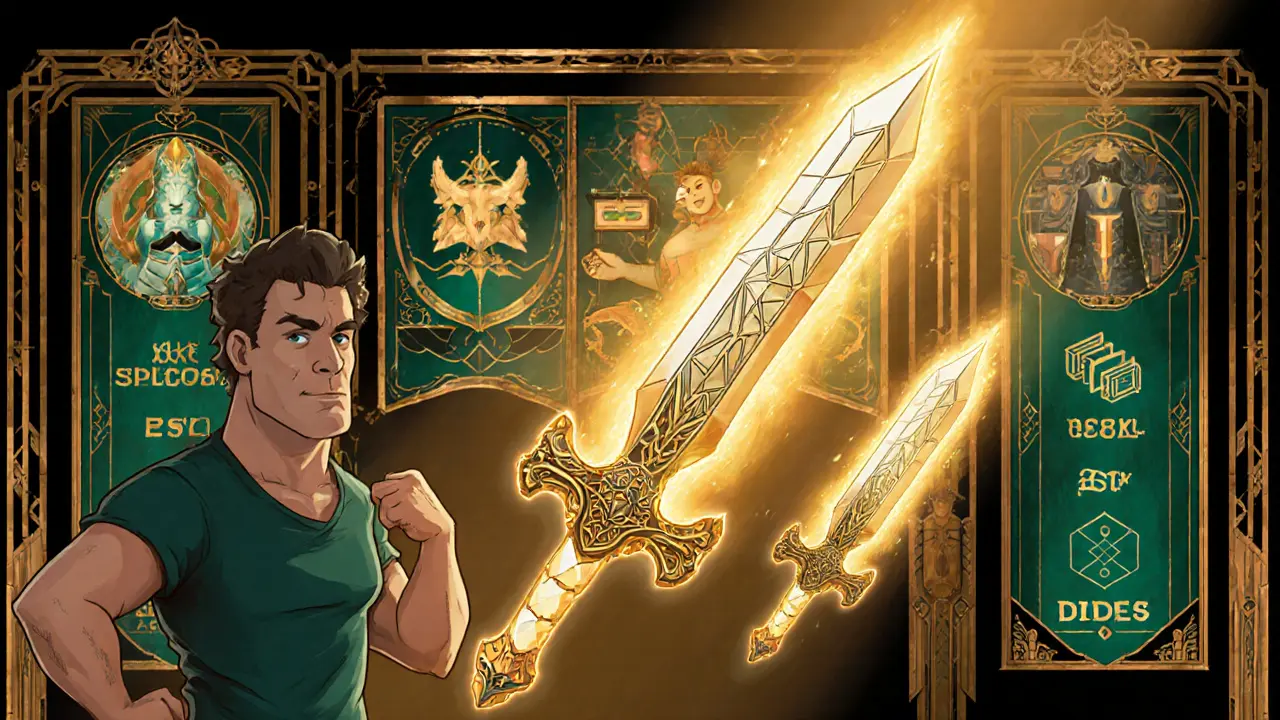
Benefits of NFTs for Game Developers in 2025
NFTs give game developers sustainable revenue, true player ownership, cross-game asset use, and deeper community ties. In 2025, they’re not a trend-they’re a foundation for the next generation of games.