Reward Sharing in Crypto: How Projects Distribute Incentives and Why It Matters
When you hear reward sharing, the practice of distributing crypto tokens or earnings to users who contribute to a network’s growth or security. Also known as incentive distribution, it’s the engine behind most DeFi protocols, staking platforms, and airdrop campaigns. It’s not charity—it’s a system designed to align incentives. If a project wants you to lock up your tokens, test its app, or refer friends, it gives you something back. That’s reward sharing in action.
But not all reward sharing is the same. Some projects hand out tokens to early adopters through airdrops, free token distributions to wallet holders who meet specific criteria. Also known as token giveaways, they’re often used to bootstrap community adoption. Others pay ongoing staking rewards, earnings generated by locking crypto to support blockchain validation. Also known as proof-of-stake yields, they turn idle holdings into passive income. Then there are liquidity mining programs, referral bonuses, and governance participation payouts—all variations of the same core idea: you do something valuable, you get paid in crypto.
Here’s the catch: reward sharing doesn’t guarantee profit. Many projects promise big returns but vanish when the tokens stop flowing. Look at reward sharing like a contract—not a gift. If a platform offers 50% annual returns just for holding a token with no clear use case, that’s a red flag. Real reward sharing ties payouts to actual network activity: trading volume, locked liquidity, or active users. Projects like Equilibrium and SWAPP Protocol (even if their airdrops were fake) tried to use reward sharing to attract attention. But without transparency, those efforts collapse.
And it’s not just about money. Reward sharing builds loyalty. When users earn tokens for reporting bugs, voting on upgrades, or running nodes, they become stakeholders—not just speculators. That’s why platforms like OKX and OMGFIN include reward features: they need users to stick around. Even in places like Venezuela or Nigeria, where traditional banking fails, reward sharing lets people earn crypto through simple actions—like holding or sharing a wallet address.
But don’t get fooled by noise. A lot of what’s called reward sharing today is just marketing. Low-cap tokens like MBLK, SSU, or B3X sometimes claim to offer rewards, but with zero trading volume and no team, those promises are ghosts. Real reward sharing requires infrastructure: smart contracts that pay automatically, a community that tracks payouts, and a token with actual utility. If you can’t find a whitepaper, a live blockchain explorer, or real user testimonials, the reward isn’t real—it’s a lure.
What you’ll find below are deep dives into real cases—some working, most failing. You’ll see how Garantex traders used crypto to bypass sanctions, how Japan’s strict rules protect reward recipients, and why Nominex’s fake reviews made its reward system worthless. You’ll learn why Dypius offers real yield through NFT staking, while Magical Blocks is just a dead coin with a catchy name. And you’ll see how even the most basic reward sharing—like airdrops—can be weaponized by scammers if you don’t know what to look for.
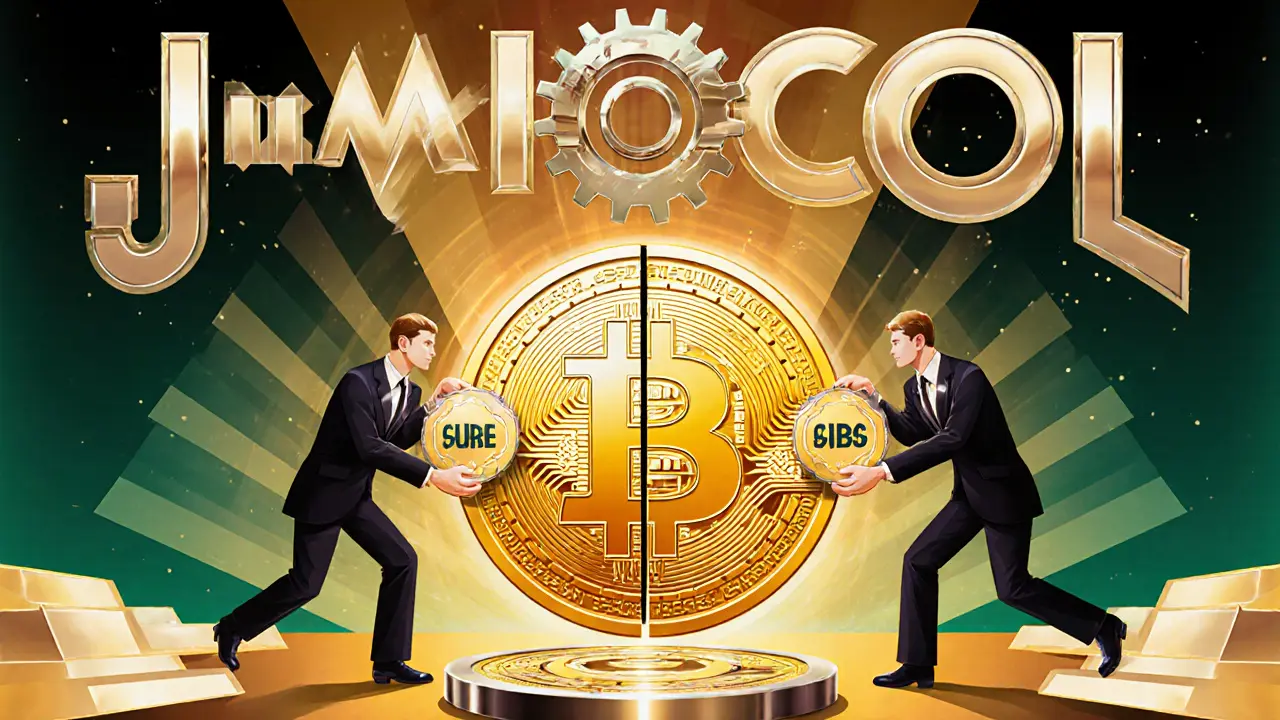
How Mining Pools Share Rewards: PPS, PPLNS, and Proportional Systems Explained
Learn how mining pools distribute Bitcoin rewards using PPS, PPLNS, and proportional methods. Understand the trade-offs between steady income and higher potential returns, and choose the best payout system for your mining setup.