SparkSwap PulseChain: What It Is, How It Works, and What You Need to Know
When you hear SparkSwap PulseChain, a decentralized exchange built specifically for the PulseChain network. It’s not just another DEX—it’s a tool designed for users who want fast, cheap swaps without the gas fees of Ethereum. Unlike platforms that run on congested blockchains, SparkSwap leverages PulseChain’s low-cost infrastructure to let people trade tokens in seconds, not minutes.
SparkSwap PulseChain is part of a broader shift toward DeFi protocols, decentralized financial systems that remove banks and middlemen from trading and lending. It’s built for people who already use PulseChain, a fork of Ethereum that slashed fees and sped up transactions. The platform lets you swap tokens like $PLS, $WIF, or any other PulseChain-based asset directly from your wallet. No sign-ups. No KYC. Just connect and trade. This makes it ideal for users in regions where traditional exchanges are blocked or slow.
But SparkSwap isn’t just about swapping. It’s tied to blockchain liquidity, the amount of tradable assets available in a network to keep prices stable and trades smooth. Without enough liquidity, even the best DEX can’t function. SparkSwap relies on users adding their tokens to liquidity pools—in return, they earn trading fees. It’s a simple trade: you provide assets, you get paid. But unlike bigger DEXs, SparkSwap doesn’t have hundreds of millions in locked value. That means smaller pools, higher slippage, and more risk. You need to know what you’re trading.
What you won’t find here is hype. No celebrity endorsements. No promises of 100x returns. Just a working tool built on a fast, cheap chain. If you’re tired of paying $20 in gas to swap $50 worth of crypto, SparkSwap PulseChain gives you a real alternative. But it’s not for everyone. If you’re new to crypto, you’ll need to understand wallet security, slippage settings, and how to spot fake tokens. Many PulseChain tokens have no real use—just a name and a chart. SparkSwap doesn’t vet them. You’re on your own.
That’s why the posts below matter. You’ll find reviews of similar platforms, deep dives into how liquidity pools work, and warnings about tokens that look good but are dead on arrival. You’ll see how users in countries with strict crypto rules use networks like PulseChain to move value. You’ll learn what happens when a DEX has no team, no audits, and no transparency. This isn’t a guide to getting rich. It’s a guide to staying safe while using tools that actually work.
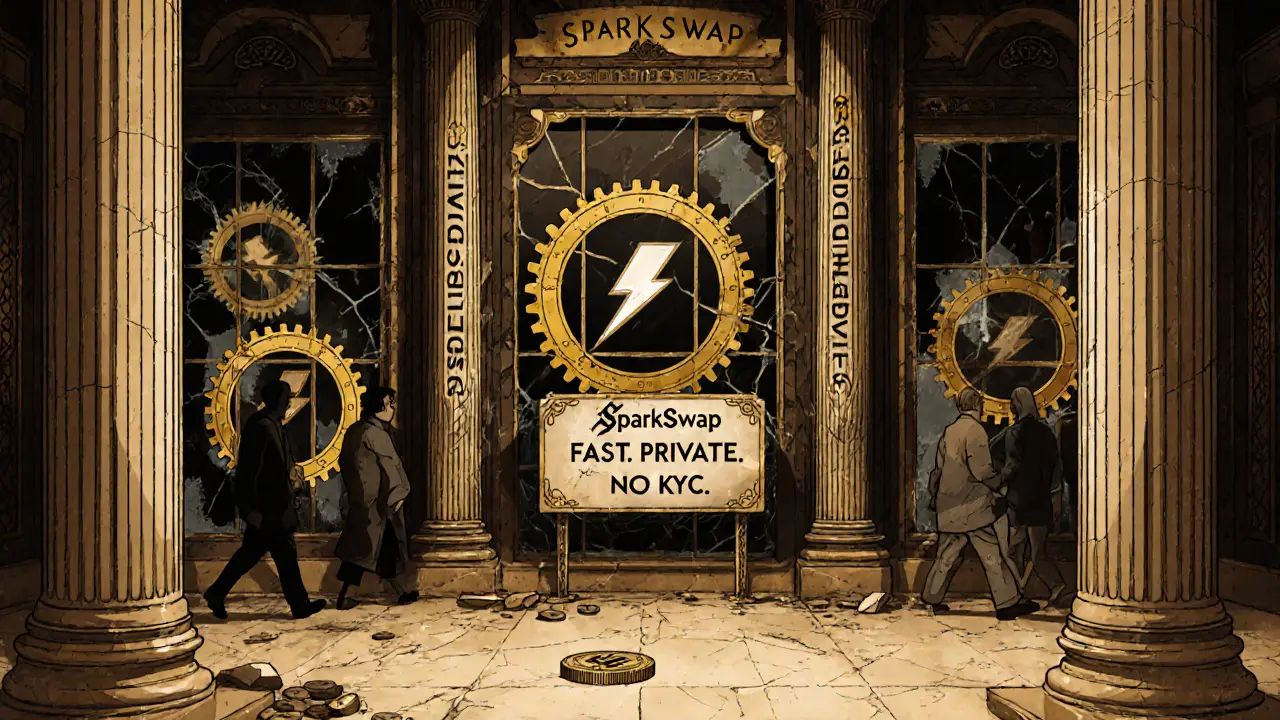
SparkSwap Crypto Exchange Review: What Happened and What’s Still Active
SparkSwap refers to three different crypto projects - one shut down in 2023, one is inactive, and one is a yield farm on PulseChain. This review clarifies which is real, which to avoid, and what to expect if you're still considering it.