State-Controlled Crypto: How Governments Shape Digital Money
When we talk about state-controlled crypto, digital assets managed, restricted, or monitored by national governments. Also known as government-regulated cryptocurrency, it’s not about whether crypto is legal—it’s about who gets to decide how you use it. This isn’t science fiction. From Japan’s strict cold storage rules to Russia’s daily $500 withdrawal caps, governments are building walls around digital money—not to stop it, but to control it.
State-controlled crypto doesn’t mean the end of crypto. It means crypto that answers to central banks, tax agencies, and surveillance systems. In Japan, exchanges must keep 95% of user funds offline and segregated from company assets. In Russia, banks now block crypto-to-fiat withdrawals unless you jump through layers of ID checks. Even in places where crypto is technically banned—like China and Nepal—people still trade it, but they do it in shadows, using peer-to-peer networks and shell companies to move USDT across borders. This is the new reality: crypto isn’t free unless the state says so.
What makes this different from old-school banking? It’s the speed and precision of control. A government can delist privacy coins like Monero overnight. It can force exchanges to freeze accounts without a court order. It can demand real-name verification for every wallet interaction. And it’s not just about crime—it’s about capital flow. When Russian traders use Garantex to bypass sanctions, or Nigerians trade Naira for Bitcoin to beat inflation, they’re not just avoiding banks—they’re avoiding state power. That’s why countries are racing to build their own digital currencies, not to empower citizens, but to track every transaction in real time.
Behind every crypto ban, every exchange delisting, every KYC mandate, there’s a deeper question: Who owns your money? If you’re holding Bitcoin or Solana tokens, you’re not just betting on price—you’re betting on whether your government will let you keep it. The posts below show you exactly how this plays out: from Japan’s consumer protection laws to China’s underground trading rings, from Russian sanctions to Nepal’s jail-risk remittances. These aren’t abstract policies. They’re real rules that affect wallets, trades, and lives. What you’ll find here isn’t theory—it’s the battlefield where digital money meets state power.
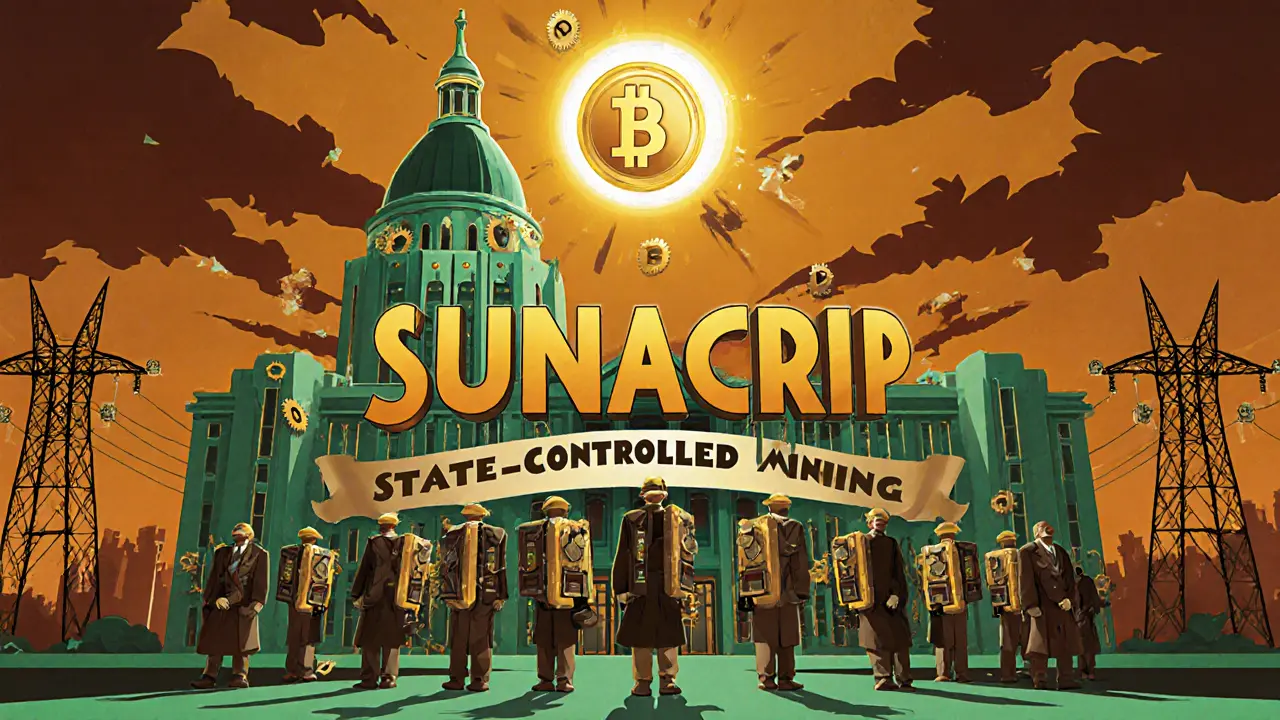
State Control of Crypto Mining in Venezuela: How the Government Manages and Restricts Digital Mining
Venezuela's government controls all crypto mining through SUNACRIP, requiring licenses, state-run mining pools, and strict compliance. Despite cheap electricity, broken infrastructure and corruption have made the system chaotic-yet millions still use crypto daily to survive hyperinflation.