Venezuela Cryptocurrency Regulations: What’s Legal, What’s Not in 2025
When it comes to Venezuela cryptocurrency regulations, the government’s official stance on digital assets is a mix of control, coercion, and contradiction. Also known as crypto laws in Venezuela, this system forces citizens to choose between using Bitcoin to buy food or risking jail for bypassing state-controlled currency rules. While the state pushes its own token, the Petro, people are quietly turning to Bitcoin, USDT, and other decentralized coins to survive hyperinflation.
The Petro cryptocurrency, a state-backed digital token launched in 2018 and tied to oil reserves. Also known as Venezuelan digital currency, it was meant to bypass U.S. sanctions and attract foreign investment. But with no real backing, zero liquidity, and no international acceptance, it’s mostly used for government payroll and forced conversions. Meanwhile, crypto taxation Venezuela, is handled through a confusing mix of informal reporting and zero enforcement. The government doesn’t track individual wallets, but it does punish those who use crypto to send money abroad—especially if they’re seen as undermining the bolívar.
Here’s the real story: Venezuelans don’t use crypto because it’s trendy. They use it because their bank accounts are frozen, their salaries are worth less than a loaf of bread, and the government won’t let them withdraw dollars. So they trade on peer-to-peer platforms like LocalBitcoins and Paxful. They swap USDT for cash in parking lots. They use Telegram groups to find buyers. And they do it all under the radar. The state has cracked down on crypto exchanges operating inside Venezuela, but it can’t stop people from using wallets on their phones. In 2025, over 1.2 million Venezuelans—nearly 4% of the population—hold crypto, according to Chainalysis. That’s more than the number of people with credit cards.
What you won’t hear in official reports is how this chaos created something unexpected: a grassroots financial system. People are building their own rules. A mechanic in Caracas pays his neighbor in USDT for a tire repair. A teacher in Maracaibo gets paid in Bitcoin for tutoring. A grandmother in Valencia uses a crypto wallet to send money to her daughter in Colombia. None of this is legal under Venezuela’s decree 4.100. But no one is being arrested for it—because the state is too busy trying to control the Petro to catch every person with a phone.
So what’s the truth? Crypto in Venezuela isn’t about investment. It’s about survival. The regulations aren’t designed to protect users—they’re designed to control them. And yet, the people have found a way to slip through. If you’re looking for a case study on how crypto thrives under oppression, Venezuela is it. Below, you’ll find real posts that break down how locals navigate this system, what scams target them, and which tools actually work when banks refuse to help. This isn’t theory. It’s life.
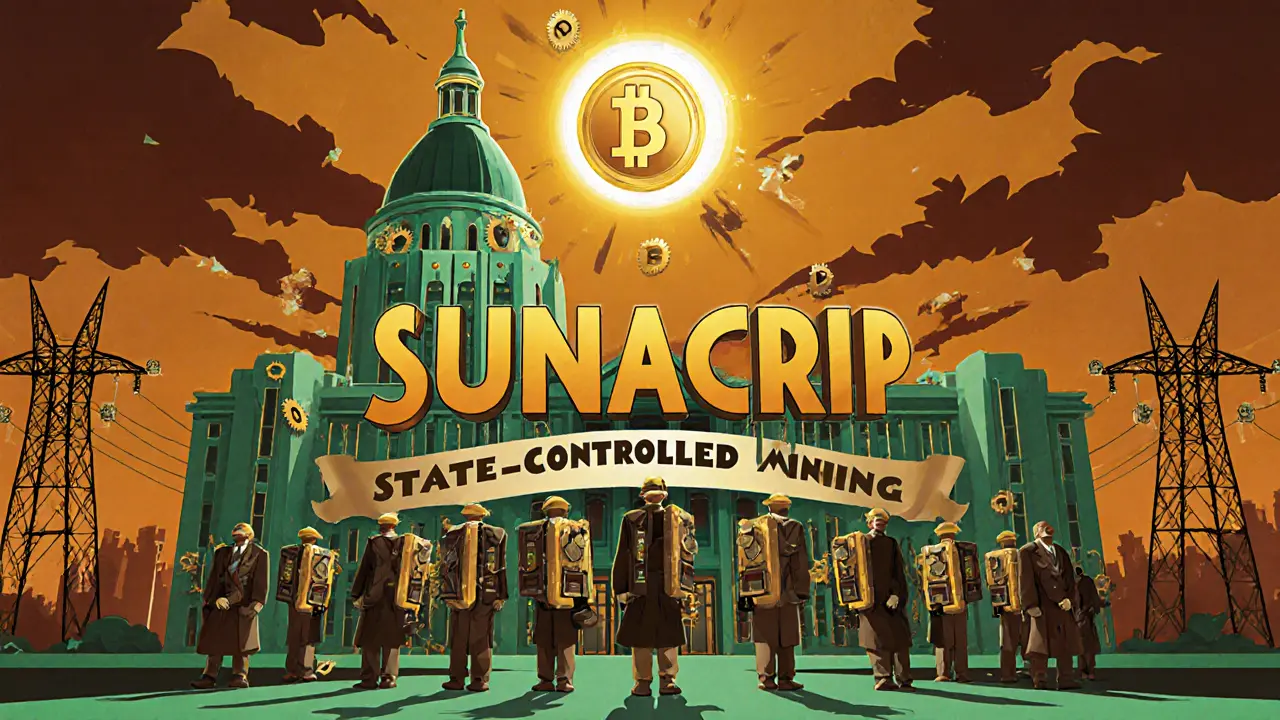
State Control of Crypto Mining in Venezuela: How the Government Manages and Restricts Digital Mining
Venezuela's government controls all crypto mining through SUNACRIP, requiring licenses, state-run mining pools, and strict compliance. Despite cheap electricity, broken infrastructure and corruption have made the system chaotic-yet millions still use crypto daily to survive hyperinflation.