Web3 Gaming: Play, Earn, and Understand the Real Crypto Games Behind the Hype
When you hear Web3 gaming, a type of online game built on blockchain where players own in-game assets as tokens or NFTs. Also known as play-to-earn gaming, it promises you can make money just by playing. But most games don’t pay out. Some are just meme tokens wrapped in pixel art, like PirateCoin☠, a crypto token tied to a pirate-themed RPG that has no real economic value, or POOH, a meme coin with 420.69 trillion tokens and zero utility. These aren’t games—they’re gambling with graphics.
True blockchain gaming, games where in-game items are stored on public ledgers and can be traded outside the game, needs more than flashy logos. It needs smart contracts that actually work, tokens with clear use cases, and communities that stick around. That’s why GPTON, a token earned by playing games on the TON blockchain, has more substance than most. You don’t just collect it—you earn it by doing something in the game. Compare that to DeFiHorse, a project preparing an airdrop for early testers, with no live game yet. Is it a game or a waiting room?
Many so-called NFT gaming, games built around non-fungible tokens representing digital items like skins, weapons, or characters projects collapse because they focus on selling tokens instead of making fun gameplay. The best ones, like those using Web3 gaming to solve real player pain points—like true ownership or cross-game item use—survive. The rest? They vanish after the airdrop, like GDOGE, a token listed on CoinMarketCap with no real product or team behind it.
What you’ll find here aren’t hype posts. These are real breakdowns of crypto games that actually exist—some working, most failing. You’ll see how tokens like DOLZ, a crypto token tied to adult-themed NFTs and gaming, trade at pennies because no one uses them. You’ll learn why Ponke, a Solana meme coin with a monkey-Pepe mascot and zero utility still has holders despite massive losses. And you’ll spot the red flags before you invest your time—or your crypto.
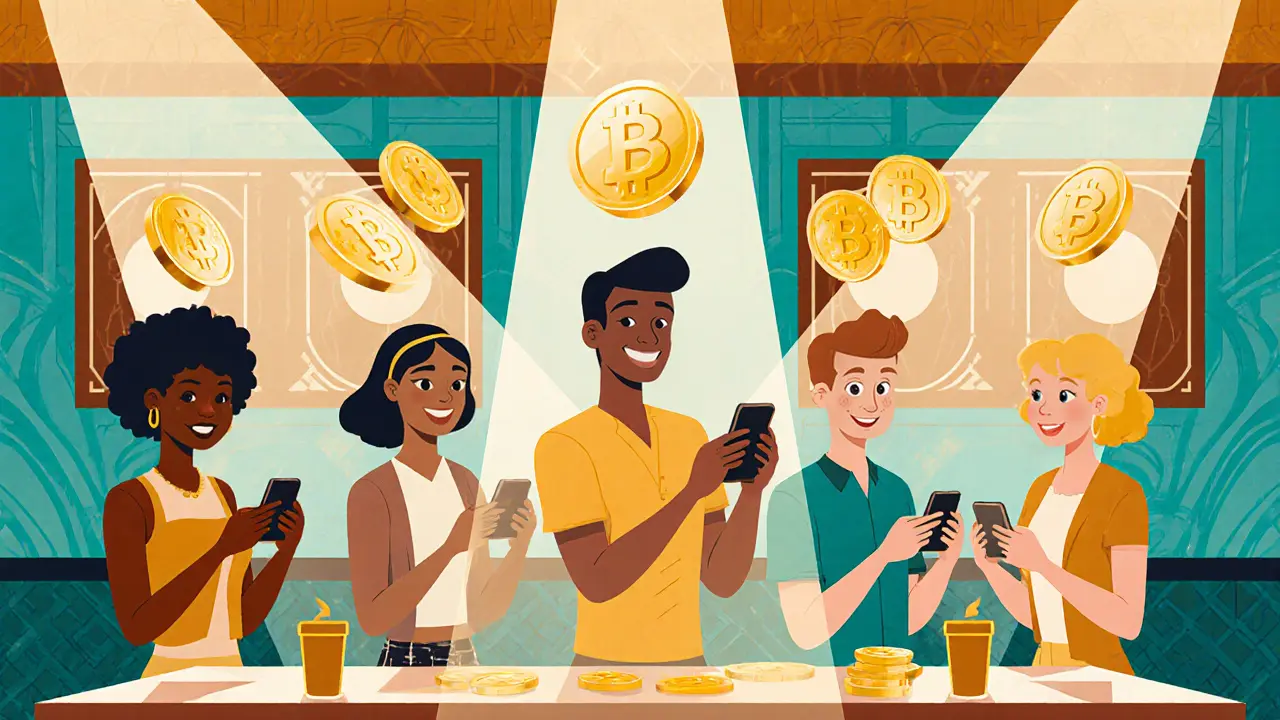
What is GAMEE (GMEE) Crypto Coin? A Real-World Guide to the Web3 Gaming Token
GAMEE (GMEE) is a crypto token earned by playing casual mobile games on the Arc8 platform. With over 100 million users, it's one of the most widely used Web3 gaming platforms - not because of speculation, but because it actually pays players for their time.