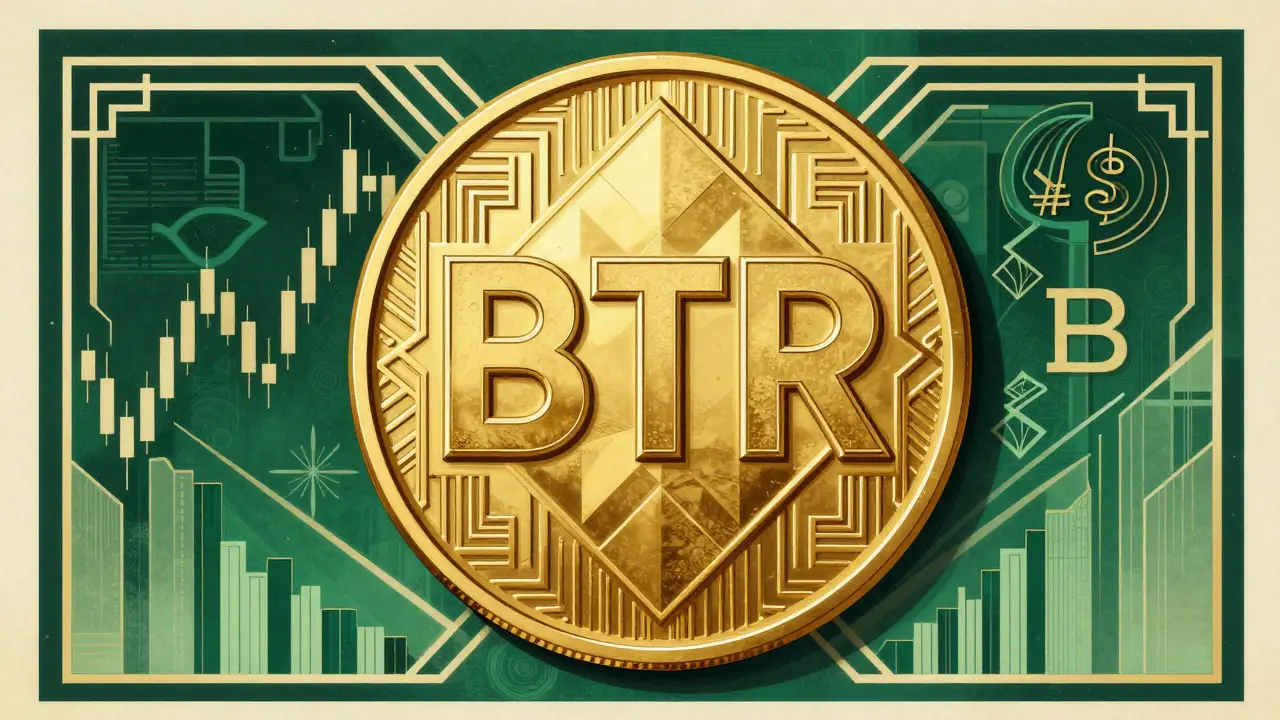
Ever wonder why some exchanges have their own coins? It’s not just to look cool. For traders, these native tokens can actually put money back in your pocket through fee discounts and better interest rates. Bitrue Coin, known by its ticker symbol BTR, is exactly that kind of asset. It is the native utility token for the Bitrue cryptocurrency exchange.
If you trade on Bitrue, or are thinking about it, understanding BTR is crucial. This isn't a meme coin hoping for viral fame. It’s a tool designed to make using the platform cheaper and more profitable. But like any investment, you need to know what you're getting into before you buy.
What Exactly Is Bitrue Coin?
At its core, BTR is an ERC-20 token built on the Ethereum blockchain network. This means it doesn’t run its own separate computer system. Instead, it lives on Ethereum, inheriting the security and reliability of that massive global network. You’ve probably used other ERC-20 tokens like USDT or UNI; BTR works the same way technically.
The primary purpose of BTR is to serve as the "lifeblood" of the Bitrue ecosystem. The exchange uses it to reward users, reduce costs, and offer exclusive features. Think of it like a frequent flyer program for crypto trading, but instead of miles, you hold a digital asset that has real value and utility.
| Attribute | Value |
|---|---|
| Token Standard | ERC-20 |
| Blockchain | Ethereum |
| Contract Address | 0xd433138d12beB9929FF6fd583DC83663eea6Aaa5 |
| Max Supply | 1,000,000,000 BTR |
| Launch Year | 2019 |
Why Do People Use BTR? (The Utilities)
Holding BTR isn't just about hoping the price goes up. The real value comes from how you use it within the Bitrue platform. Here are the main ways BTR benefits holders:
- Trading Fee Discounts: This is the biggest draw. If you pay trading fees with BTR, you get a discount. For active traders who execute many buys and sells, this adds up quickly.
- Higher Savings Yields: Bitrue offers savings products like "Power Piggy." Holding BTR often unlocks higher Annual Percentage Yields (APYs) compared to non-holders. It’s a way to earn passive income on your idle crypto.
- Listing Votes: Want a specific new coin listed on Bitrue? BTR holders sometimes get voting rights to influence which projects get added to the exchange.
- DeFi Mining: Users can stake BTR to participate in DeFi mining pools, earning rewards from various protocols integrated into the Bitrue interface.
- Loan Interest Deductions: If you take out a crypto loan on Bitrue, holding BTR can help reduce the interest rate you pay.
These utilities mean that BTR is tied directly to the health and growth of the Bitrue exchange. If more people trade on Bitrue, the demand for BTR to access these perks naturally increases.
Understanding BTR Tokenomics
Tokenomics refers to the economic structure of a cryptocurrency. For BTR, the numbers tell a story of supply management through burning.
The maximum supply of BTR is capped at 1 billion tokens. However, not all of these are in circulation. According to data from mid-2026, the circulating supply hovers around 358 to 360 million BTR. Where did the rest go? A significant portion-over 179 million tokens-has been burned (permanently removed from existence).
This burn mechanism is important. By reducing the total supply over time while demand remains steady or grows, the scarcity of remaining tokens can theoretically support the price. It’s a deflationary model designed to benefit long-term holders.
Data providers sometimes show slight discrepancies in exact circulating numbers due to different update cycles, but the general picture is clear: roughly 36% of the maximum supply is currently available in the market.
BTR Price and Market Performance in 2026
As of August 2026, Bitrue Coin is considered a low-cap asset. Its price typically fluctuates in the range of $0.009 to $0.016. While these numbers might seem small, percentage changes matter more than absolute price in crypto.
The market capitalization sits between $3.5 million and $4.3 million. To put that in perspective, this places BTR far below giant exchange tokens like Binance Coin (BNB) or OKX Token (OKB), which have valuations in the billions. Instead, BTR competes in the niche segment of specialized utility tokens.
Liquidity is modest but active. Daily trading volumes on Bitrue and other aggregators often reach hundreds of thousands of dollars. This means you can usually buy or sell reasonable amounts without causing massive slippage, but it’s not a deep market like Bitcoin or Ethereum.
How to Buy and Store BTR
Getting your hands on BTR is straightforward if you already use crypto exchanges.
- Buy on Bitrue: The most direct method. You can swap major assets like BTC, ETH, USDT, or USDC for BTR directly on the Bitrue spot market.
- Buy on Other CEXs: Some other centralized exchanges list BTR pairs, though Bitrue remains the most liquid venue.
- Store Safely: Since BTR is an ERC-20 token, you can store it in any Ethereum-compatible wallet. Popular choices include MetaMask or Trust Wallet. Simply import the contract address (
0xd433138d12beB9929FF6fd583DC83663eea6Aaa5) to see your balance.
Note that if you move BTR off the Bitrue exchange to a personal wallet, you won’t automatically receive the trading fee discounts or Power Piggy yields. Those benefits require holding the token within the Bitrue ecosystem.
Risks to Consider
No crypto investment is risk-free. Here’s what you should watch out for with BTR:
- Platform Dependency: BTR’s value is tightly linked to Bitrue’s success. If the exchange loses users or faces regulatory hurdles, BTR’s utility-and therefore its value-could drop.
- Volatility: As a low-cap token, BTR can experience sharp price swings. A small amount of buying or selling can move the price significantly.
- Regulatory Uncertainty: Exchange tokens are under scrutiny globally. Changes in laws regarding utility tokens could impact how BTR is treated legally.
Is BTR Right for You?
If you are an active trader on Bitrue, BTR makes financial sense. The fee discounts alone can justify holding a small stack of tokens. If you’re looking for passive income, the enhanced yields in savings products add another layer of appeal.
However, if you aren’t using the Bitrue platform, buying BTR purely for speculation is riskier. Without the utility benefits, you’re betting solely on the exchange’s growth and marketing efforts. Always do your own research and only invest what you can afford to lose.
What is the contract address for Bitrue Coin?
The official ERC-20 contract address for BTR on Ethereum is 0xd433138d12beB9929FF6fd583DC83663eea6Aaa5. Always double-check this address when importing into wallets like MetaMask to avoid scams.
Can I mine Bitrue Coin?
No, BTR is not mined like Bitcoin. It is an ERC-20 token issued by the Bitrue exchange. You acquire it by buying it on exchanges or earning it through Bitrue's promotional campaigns and staking rewards.
Does holding BTR give me ownership in Bitrue?
Not exactly. BTR is a utility token, not a stock. It gives you access to platform benefits like fee discounts and voting on listings, but it does not represent equity ownership in the company itself.
Why is the BTR price so low?
The low price reflects its status as a low-market-cap utility token with a high maximum supply (1 billion). Unlike tokens with a max supply of 21 million, the individual unit price is lower, but the total value depends on market cap and utility demand.
Where can I check the live BTR price?
You can track the live price of BTR on major aggregators like CoinGecko, CoinMarketCap, or directly on the Bitrue exchange homepage. Prices may vary slightly between platforms due to liquidity differences.