Ever scrolled through Solana memecoin charts and wondered what all the tiny, low-price tokens actually do? You're not alone. The crypto world is flooded with thousands of projects, but most are just noise. One name that pops up in niche trading circles is Coby (COBY). It’s a small-cap token with a specific vibe: a friendly quokka plushie meant to be your "best friend" in the brutal, toxic world of day trading.
But what exactly is this token? Is it a scam, a hidden gem, or just another pump-and-dump cycle waiting to happen? If you’re looking at COBY because you saw a sudden spike on your wallet or heard chatter on X (formerly Twitter), you need facts, not hype. This guide breaks down everything you need to know about Coby-from its origin on Pump.fun to its current market status as of late 2026. We’ll look at the hard numbers, the community narrative, and the risks involved so you can decide if this micro-cap asset fits your portfolio.
The Origin Story: From Pump.fun to Community Icon
Coby didn’t start in a boardroom with venture capital backing. Like many modern Solana tokens, it launched via Pump.fun, a platform that allows anyone to create and launch a memecoin instantly without coding knowledge. This origin story is crucial because it explains why there is no official "team" listed on major data sites. There’s no CEO, no whitepaper full of technical jargon, and no roadmap promising decentralized finance integrations.
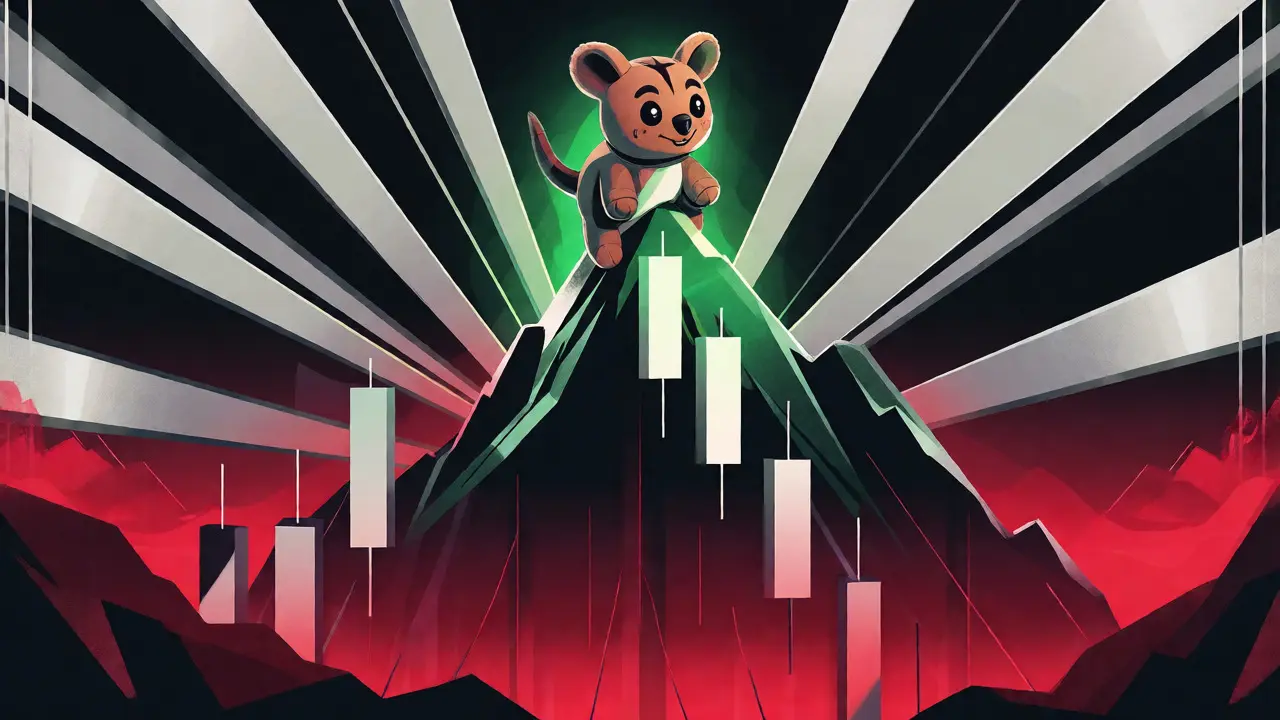
Instead, Coby relies on a narrative. The project describes itself as a comforting presence for traders exhausted by aggressive, player-versus-player (PvP) market dynamics. The mascot is a quokka-a real-life animal known for its permanent smile-depicted as a plush toy. The branding suggests that while other coins scream "buy now," Coby offers a chill, supportive community. This emotional hook is the primary utility of the token. It doesn’t solve a blockchain problem; it solves a social one. By positioning itself against toxicity, it attracts users who want a less stressful entry into the high-speed Solana ecosystem.
It’s important to distinguish this Coby from others. There is a separate token called "Coby the Cat" on Solana, which has a different contract address and history involving developer abandonment. When researching COBY, always verify you are looking at the quokka-themed token associated with the contract address 8WnQQRbuEZ3CCDbH5MCVioBbw6o75NKANq9WdPhBDsWo. Mixing these up could lead to buying the wrong asset entirely.
Tokenomics: Fixed Supply and Full Circulation
If you dig into the data providers like CoinMarketCap or CoinGecko, you’ll see consistent figures regarding supply. Coby operates with a fixed maximum supply of 1,000,000,000 tokens. Unlike Bitcoin, which has a halving schedule, or Ethereum, which adjusts issuance based on network activity, Coby has no complex emission mechanics. Almost all of these tokens are already in circulation. Reports from mid-2026 indicate a circulating supply between 999.6 million and 1 billion COBY.
This near-full circulation means there is no "unlock cliff" looming over the price. In many early-stage crypto projects, insiders hold large portions of the supply that get released later, often causing sell-offs. With Coby, that risk is largely mitigated simply because everyone already has their tokens. However, this also means there’s no incentive mechanism like staking rewards or burn rates built into the protocol. It’s a standard SPL token on Solana, meaning it follows the basic fungible token standards of the Solana blockchain without any custom code for reflections or taxes.
| Metric | Value / Status | Notes |
|---|---|---|
| Maximum Supply | 1,000,000,000 COBY | Fixed cap; no new tokens will be minted. |
| Circulating Supply | ~999,600,000 - 1,000,000,000 | Nearly 100% circulated; minimal vesting pressure. |
| Blockchain | Solana | Uses SPL token standard; fast transactions. |
| Primary Launchpad | Pump.fun | Indicates anonymous or pseudonymous creation. |
| Utility Type | Meme / Community | No native app or service utility documented. |
Market Performance and Volatility Risks
Let’s talk numbers, because they tell a dramatic story. As of September 2026, Coby trades in the micro-cap range. Depending on the data aggregator, the price fluctuates wildly, often sitting between $0.00003 and $0.0006 per token. Market capitalization estimates vary significantly due to thin liquidity, ranging from effectively zero to around $650,000 USD. This variance isn’t necessarily an error; it reflects how quickly prices move in low-volume markets.
Look at the historical context. LiveCoinWatch data shows an all-time high (ATH) of approximately $0.020157. Compare that to recent prices hovering near $0.00004, and you see a drawdown of roughly 99.8%. This is classic memecoin behavior. A token spikes during a hype cycle, early buyers take profits, and the price collapses under its own weight. For every trader who bought at the top and held, there’s likely someone else who sold during the initial surge.
Trading volume provides another clue. While some snapshots show daily volumes exceeding $1 million EUR (likely during short-term pumps), other days show volume dropping to single digits in USD. This inconsistency signals that liquidity is fragile. If you try to buy $500 worth of COBY on a quiet day, you might suffer significant slippage-the price moves against you as your order executes. Conversely, during a viral moment, liquidity can flood in, allowing larger trades. But don’t count on it staying there.
Where to Trade: Decentralized vs. Centralized Exchanges
You won’t find Coby listed on Coinbase or Binance for direct fiat purchases. It is primarily a decentralized exchange (DEX) asset. The main venue for trading COBY is Raydium, a leading automated market maker (AMM) on Solana. To buy it, you typically need SOL (Solana’s native currency) in a compatible wallet like Phantom or Solflare.
Some centralized exchanges like OKX or Crypto.com may list COBY for spot trading, but these listings are often limited to existing crypto-to-crypto pairs. For example, you might trade USDT/COBY or SOL/COBY. The absence of deep liquidity on centralized platforms means most of the action happens on-chain. This requires a bit more technical comfort. You’ll need to manage gas fees (in SOL) and interact directly with smart contracts. If you’re used to clicking "Buy" on a user-friendly app interface, navigating Raydium might feel clunky at first, but it gives you direct access to the token before it potentially gets listed elsewhere.

Risks and Red Flags to Watch
Investing in Coby is akin to gambling on sentiment rather than fundamentals. Here are the specific risks you face:
- Anonymity: No public founders or team members are verified. This makes accountability difficult. If the project stalls, there’s no company to sue or contact.
- Liquidity Traps: With a market cap under $1 million, large holders (whales) can manipulate the price easily. A single sell order from a whale can crash the price by 20-30% in seconds.
- Community Dependency: The value is entirely derived from social media engagement. If the "quokka" meme loses relevance or attention shifts to a newer mascot, COBY could fade into obscurity quickly.
- Data Discrepancies: Different trackers report vastly different prices and volumes. Always cross-reference multiple sources like CoinGecko, DexScreener, and Birdeye before making a trade.
There have been no reported hacks or security breaches specific to the Coby contract, which is a positive sign. However, the lack of regulatory scrutiny or formal audits mentioned in news outlets suggests it flies under the radar. This can be good (less red tape) or bad (no oversight).
Is Coby Worth Your Attention?
So, should you add COBY to your watchlist? If you are a high-risk investor looking for lottery-ticket plays in the Solana ecosystem, Coby offers a clear narrative and established community history dating back to at least 2022. It survived the bear markets that killed countless other Pump.fun launches, which speaks to some level of community resilience.
However, if you prefer assets with cash flow, governance rights, or technological utility, Coby will disappoint. It is a pure speculative instrument. Treat any money you put into it as funds you are willing to lose completely. Keep position sizes small relative to your total portfolio, and set strict exit strategies. Don’t fall in love with the plushie; follow the chart and the volume.
What is the ticker symbol for Coby?
The ticker symbol for the main Coby meme token is COBY. Be careful not to confuse it with "Coby the Cat," which also uses similar naming conventions but has a different contract address on the Solana blockchain.
Which blockchain does Coby run on?
Coby is an SPL token running on the Solana blockchain. This means it benefits from Solana's high transaction speeds and low fees compared to Ethereum-based tokens.
Can I buy Coby with dollars?
Directly, usually no. Most users buy Solana (SOL) with dollars first, then swap that SOL for COBY on decentralized exchanges like Raydium. Some centralized exchanges may offer COBY/USDT pairs, requiring stablecoins rather than fiat.
Does Coby have a team or founder?
Public records do not identify specific individual founders or a corporate entity behind Coby. It was launched anonymously via Pump.fun, and its development is driven by community consensus rather than a traditional management team.
What is the maximum supply of COBY?
The maximum supply of Coby is capped at 1 billion tokens. Nearly all of these tokens are currently in circulation, meaning there are no future token unlocks expected to impact the supply.