
Imagine owning a digital monster that was born from an algorithm, not just drawn by hand. That’s the core idea behind XMON, the utility token powering the 0xmons generative NFT project. If you’ve stumbled upon this tiny, high-priced token and wondered if it’s the next big thing or a relic of the 2021 NFT boom, you’re in the right place. We aren’t here to hype it up; we’re here to break down exactly what XMON is, how it works, and why its market data looks so weird.
The Core Concept: AI Meets Pixel Art
At its heart, XMON isn’t just money; it’s a key to a specific club. The project, known as 0xmons, creates scarce pixel-monster collectibles on the Ethereum blockchain. Unlike standard JPEGs where an artist draws every frame, 0xmons uses a Generative Adversarial Network (GAN). Think of it as two AI models fighting each other to create unique animated pixel art. One model tries to generate realistic-looking monsters, while the other tries to spot the fakes. The result? Monsters with names, lore, and animations generated by code, inspired by everything from Pokémon to H.P. Lovecraft.
This technical approach gives 0xmons a distinct cultural identity. It’s not just about ownership; it’s about participating in an experiment. The collection is incredibly small-only 341 unique items were ever minted. This scarcity is by design, making each NFT a rare artifact within the broader Ethereum ecosystem. But here’s the catch: while the NFTs are the flashy cars, XMON is the fuel station. You need the token to interact with the platform’s historical features, though those features have evolved significantly since the project’s launch in late 2020.
Tokenomics: Scarcity and Supply Concentration
If you look at the numbers, XMON looks like a diamond: hard, rare, and potentially expensive. The total supply is capped at a mere 10,000 tokens. Compare that to Bitcoin’s 21 million or even smaller altcoins with billions in supply, and you see why the price per token can swing wildly. As of October 2026, the price hovers around $79-$80, but don’t let that number fool you into thinking it’s stable.
The real story is in who holds these tokens. Data shows extreme concentration. Roughly 75% of the supply sits in the 0xmons treasury, meaning only about 2,500 tokens are actively circulating among regular users. Furthermore, the top 10 wallets control over 80% of the circulating supply. This creates a massive risk for new buyers. If one whale decides to sell, the price could crash instantly because there simply aren’t enough buyers on the other side to absorb the volume.
| Metric | XMON Status (Oct 2026) | Implication for Investors |
|---|---|---|
| Total Supply | 10,000 Tokens | Extreme scarcity; high price volatility potential. |
| Circulating Supply | ~1,500 - 2,500 Tokens | Low liquidity; easy for whales to manipulate price. |
| Daily Volume | <$1,000 USD | Hard to buy/sell large amounts without slippage. |
| Transfer Fee | 1% - 10% Configurable | You receive less than you send; check wallet settings. |
| Blockchain | Ethereum (ERC-20) | High gas fees apply during transactions. |
The Historical Link to Sudoswap
To understand why anyone still cares about XMON, you have to look back at Sudoswap. In September 2022, Sudoswap launched its governance token, SUDO, and decided to reward early supporters of the 0xmons ecosystem. They allocated nearly 42% of the initial SUDO supply to people who locked their XMON tokens for three months.
This event created a temporary frenzy. Suddenly, holding XMON wasn’t just about collecting pixels; it was a ticket to free money in the form of SUDO tokens. For many, this was the primary reason to buy and hold XMON through the bear market. However, it’s crucial to realize that this was a one-time distribution. There is no guarantee that similar rewards will happen again. Today, XMON’s connection to Sudoswap is more historical than functional. While some legacy contracts might still exist, the primary yield mechanism that drove demand in 2022 is largely dormant.
Liquidity Risks and Market Reality
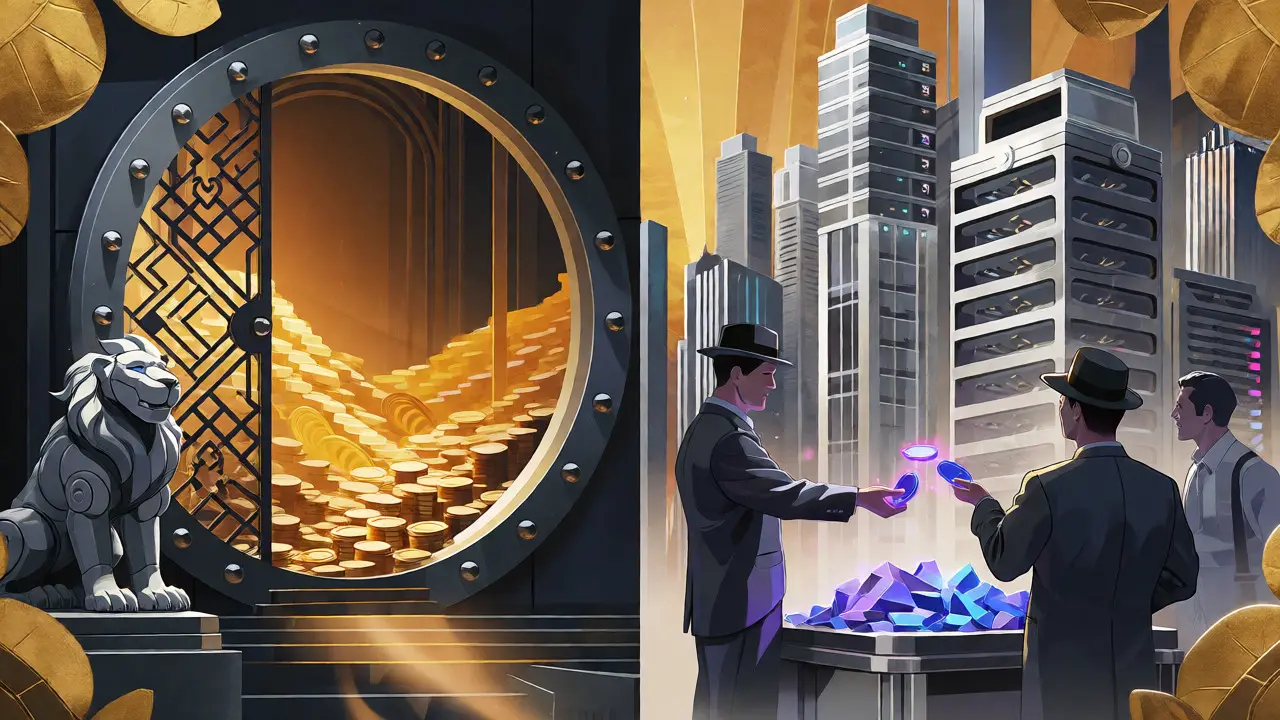
Let’s talk about the elephant in the room: liquidity. On most days, the trading volume for XMON is under $500. That’s less than the cost of a nice dinner. When you try to buy or sell XMON, you’re interacting with decentralized exchanges like Uniswap V2. Because the order books are so thin, your trade can move the price significantly. This is called slippage.
For example, if you want to buy $1,000 worth of XMON, you might end up paying a much higher average price than the current quote because your purchase eats up all the available cheap tokens in the pool. Additionally, remember the transfer fee. The smart contract allows for a fee between 1% and 10%. If you send XMON to another wallet, you might lose a chunk of your balance before it arrives. Always test with a small amount first. Do not assume the interface shows the final received amount until the transaction confirms on-chain.
How to Buy and Store XMON Safely
Since XMON is an ERC-20 token, you don’t buy it directly from the project team. You go to a Decentralized Exchange (DEX). Here is the practical workflow for anyone looking to acquire some:
- Get ETH: Ensure your wallet has enough Ethereum for both the purchase and the gas fees. Gas fees on Ethereum can sometimes exceed the value of a small XMON purchase.
- Connect Wallet: Use MetaMask or a similar Web3 wallet. Connect to Uniswap or another DEX that lists the XMON/WETH pair.
- Verify Contract Address: This is critical. Search for "XMON" on Etherscan and verify the official contract address linked from the 0xmons website. Scam tokens often use similar names.
- Check Slippage: Set your slippage tolerance higher than usual (maybe 2-5%) because of the low liquidity. If you set it too low, the transaction will fail.
- Execute Small First: Buy a small amount to confirm everything works. Check your wallet balance to see if the transfer fee applied correctly.
Storage is straightforward. Any wallet that supports ERC-20 tokens can hold XMON. Hardware wallets like Ledger or Trezor are recommended for larger holdings due to the token's high unit price and low liquidity.

Is XMON Still Active? Development and Community
Here is where things get tricky. The 0xmons GitHub repository shows activity dating back to 2020 and 2021, but recent commits are sparse. The roadmap repository hasn't seen major updates in years. This doesn't mean the project is dead-the NFTs still trade on OpenSea, and the community remains-but it suggests that the development pace has slowed significantly compared to newer projects.
Community sentiment is hard to gauge precisely. The official Twitter account has roughly 33,000 followers, which is decent for a niche project. However, follower counts don't equal active traders. There are no major independent reviews or professional ratings for XMON. Most discussions revolve around nostalgia for the 2021 NFT bull run or speculation about future Sudoswap integrations. If you are looking for a token with a vibrant, daily-updating dev team, XMON might feel quiet. If you are looking for a rare collectible asset with a fixed supply, it fits that bill.
Verdict: Who Should Own XMON?
XMON is not a payment coin. You won't be buying coffee with it. It’s also not a safe haven for capital preservation. It is a speculative, illiquid asset tied to a specific artistic experiment.
You should consider XMON if:
- You believe in the long-term value of generative AI art and want exposure to a very early, small-cap example.
- You are comfortable with high volatility and the risk of being unable to sell quickly.
- You already own 0xmons NFTs and want to participate in any potential future ecosystem perks.
You should avoid XMON if:
- You need high liquidity and tight spreads.
- You prefer tokens with transparent, ongoing yield mechanisms.
- You are sensitive to transaction fees and gas costs.
In short, XMON is a curiosity. It’s a piece of crypto history wrapped in a modern blockchain wrapper. Its value is driven more by narrative and scarcity than by current utility. Treat it as such.
What is the maximum supply of XMON?
The maximum supply of XMON is strictly capped at 10,000 tokens. This extreme scarcity contributes to its high unit price but also limits its usability as a medium of exchange.
Does XMON have a transfer fee?
Yes, the XMON smart contract includes a configurable transfer fee ranging from 1% to 10%. This means if you send 100 XMON, you might only receive 90-99 XMON depending on the current setting. Always account for this when calculating effective costs.
Where can I buy XMON tokens?
XMON is primarily traded on decentralized exchanges (DEXs) like Uniswap V2. Due to low liquidity, centralized exchanges rarely list it. You will need an Ethereum-compatible wallet and ETH for gas fees to purchase it.
Is XMON related to Sudoswap?
Historically, yes. In 2022, Sudoswap distributed a large portion of its SUDO governance tokens to XMON holders who locked their tokens. While this created a strong link, they remain separate tokens with different functions today.
Why does the circulating supply vary between sites?
Data providers like CoinGecko and CoinMarketCap calculate circulating supply differently. Some exclude treasury holdings, while others include them. Given that ~75% of XMON is held in the 0xmons treasury, these discrepancies are significant and affect market cap calculations.
![What is Dypius [New] (DYP) Crypto Coin? A Real-World Breakdown](/uploads/2025/11/thumbnail-what-is-dypius-new-dyp-crypto-coin-a-real-world-breakdown.webp)