Crypto Archive November 2025: Meme Coins, Exchange Scams, and Real-World Blockchain Use Cases
When you look at the crypto archive, a collection of verified, real-world analyses of digital assets and platforms published in November 2025. Also known as crypto content archive, it shows what actually mattered in crypto this month—not hype, not promises, but what’s dead, what’s risky, and what’s still building something real. This isn’t a list of price predictions. It’s a record of what happened when people tried to use crypto in the real world.
One big theme? meme coins, crypto tokens built on humor, not utility, often with no team, no liquidity, and zero long-term value. Also known as meme tokens, they flooded the archive this month—Twiggy the Water Skiing Squirrel, Smolecoin, Sunny Side Up, Magical Blocks, and Official Elon Coin. All of them had one thing in common: a 99%+ price crash, no community, and no future. These aren’t investments. They’re digital ghosts. Meanwhile, crypto exchange scams, fake platforms designed to look like real trading sites to steal funds. Also known as crypto fraud platforms,> like CPUfinex and Bololex, tricked users by copying names of real exchanges. The archive doesn’t just warn you—it shows exactly how the scams work, down to the fake pricing pages and fake reviews. And then there’s the real stuff: blockchain use cases, practical applications where blockchain solves actual business problems, not just speculation. Also known as enterprise blockchain,> Hedera’s 10,000 TPS network, hybrid blockchains for Walmart’s supply chain, and Japan’s strict consumer protections show crypto isn’t just about trading—it’s about infrastructure. These aren’t theories. They’re live systems.
Regulation shaped everything this month. From OKX blocking users in the U.S. and Canada, to Russian banks limiting crypto withdrawals to 50,000 rubles a day, to Venezuela’s state-run mining pools, the rules are changing fast. Privacy coins like Monero are being delisted. Airdrops like EQ Equilibrium X Republic are real—but only for a few. And if you’re looking for a safe exchange, HashKey and OMGFIN are mentioned, but with heavy caveats. This archive doesn’t tell you what to buy. It tells you what to avoid, what’s still alive, and where the real money is being built—behind the scenes, in compliance, in enterprise systems, and in places where people use crypto just to survive.
What you’ll find below isn’t a ranking. It’s a map. Of dead tokens, broken platforms, corporate networks, and regulatory walls. Every article here answers one question: Is this real, or is this a trap?

What Is Twiggy the Water Skiing Squirrel (TWIGGY) Crypto Coin?
TWIGGY is a meme crypto coin named after a 1980s water-skiing squirrel. It has no real connection to the animal's legacy, zero liquidity, and is widely considered a dead token. Don't invest.
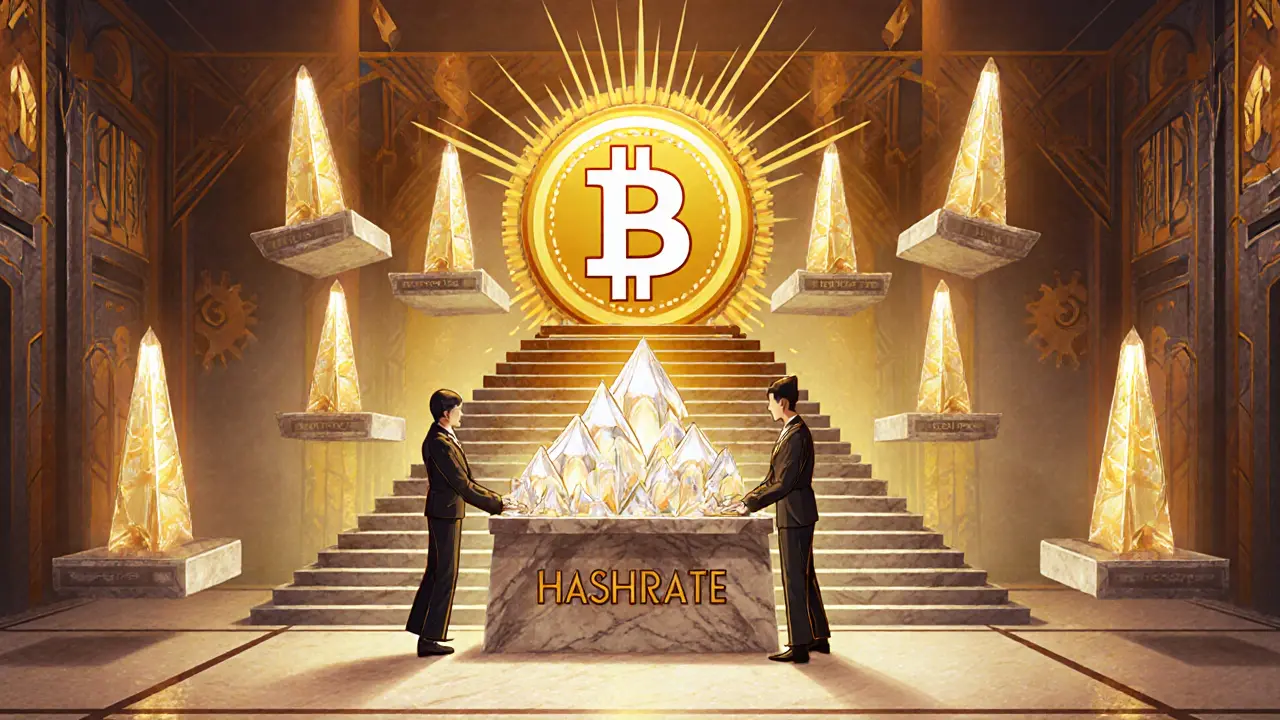
What is Bull BTC Club (BBC) Crypto Coin? Token, Mining, and NFT Integration Explained
Bull BTC Club (BBC) is a crypto project that tokenizes Bitcoin hashpower as NFTs, letting users earn BTC without mining hardware. With a collapsed price and ambitious metaverse plans, it's a high-risk, niche play in crypto.

What is Hedera (HBAR) Crypto Coin? The Fast, Low-Cost Alternative to Blockchain
Hedera (HBAR) is a fast, energy-efficient network using hashgraph consensus instead of blockchain. With 10,000 TPS, $0.0001 fees, and corporate governance, it's built for real-world enterprise use - not speculation.

Top Cryptocurrencies by Market Capitalization in 2025
As of 2025, Bitcoin leads the crypto market with a $2.4 trillion cap, followed by Ethereum, XRP, Tether, and Hyperliquid. These top coins dominate due to institutional adoption, real-world use cases, and proven scalability-not speculation.

HashKey Exchange Crypto Exchange Review: Regulatory Strength vs. Limited Features
HashKey Exchange is a licensed crypto platform in Hong Kong, offering strong security and regulatory compliance but limited coins and trading tools. Ideal for institutional users and those in Asia seeking safe, legal trading.

Solo Mining vs Pool Mining: Which Is Right for You in 2025?
Solo mining offers big rewards but extreme risk. Pool mining gives steady income with low effort. In 2025, pool mining is the smart choice for 99% of miners. Learn why and how to pick the right method.

SparkSwap Crypto Exchange Review: What Happened and What’s Still Active
SparkSwap refers to three different crypto projects - one shut down in 2023, one is inactive, and one is a yield farm on PulseChain. This review clarifies which is real, which to avoid, and what to expect if you're still considering it.

How Mining Pools Share Rewards: PPS, PPLNS, and Proportional Systems Explained
Learn how mining pools distribute Bitcoin rewards using PPS, PPLNS, and proportional methods. Understand the trade-offs between steady income and higher potential returns, and choose the best payout system for your mining setup.
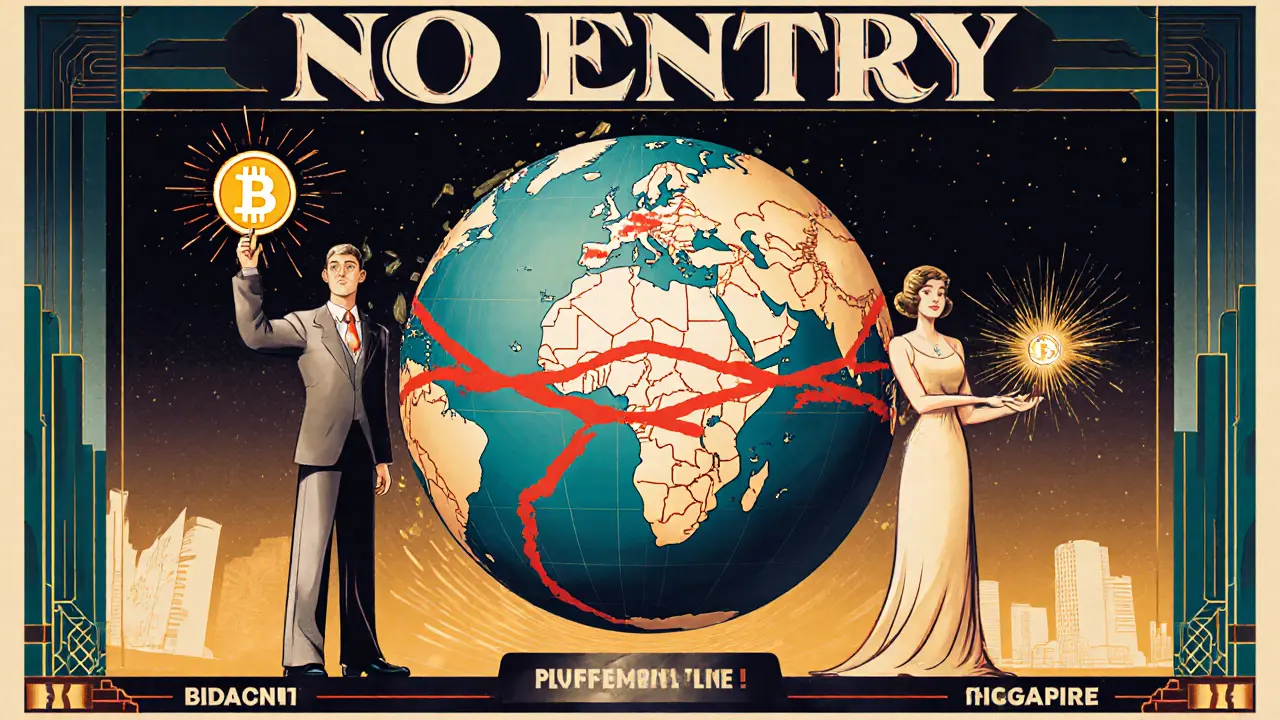
OKX Crypto Access Limitations by Country: What’s Blocked and Why
OKX blocks crypto access in the U.S., Canada, UK, and other countries due to strict regulations. Learn which countries are fully banned, which have partial access, and why using a VPN will get your account shut down.
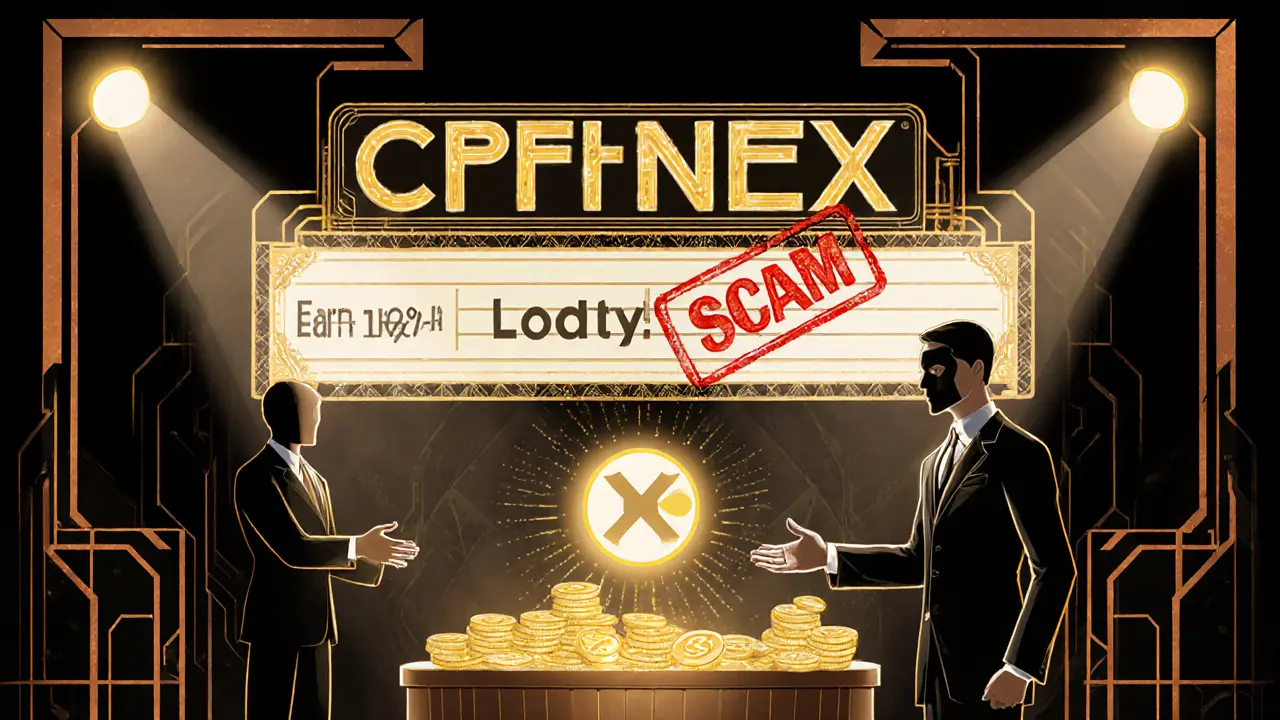
CPUfinex Crypto Exchange Review: Is It Legit or a Scam?
CPUfinex is not a real crypto exchange - it's a scam designed to trick users searching for CoinEx. Learn the red flags, how the fraud works, and safer alternatives to protect your funds.

What is Liquid Agent (LIQUID) Crypto Coin? Price, Use Case, and Real-World Risks
Liquid Agent (LIQUID) is a crypto token claiming to let users trade via chat, but it lacks transparency, trading volume, and community. Price data is inconsistent, holders are few, and development is invisible. Proceed with extreme caution.
![What is Dypius [New] (DYP) Crypto Coin? A Real-World Breakdown](/uploads/2025/11/what-is-dypius-new-dyp-crypto-coin-a-real-world-breakdown.webp)
What is Dypius [New] (DYP) Crypto Coin? A Real-World Breakdown
Dypius (DYP) is a DeFi-gaming crypto token that lets you earn yield by staking NFTs in a metaverse game. It’s complex, volatile, and unproven - but offers real utility for experienced crypto users.