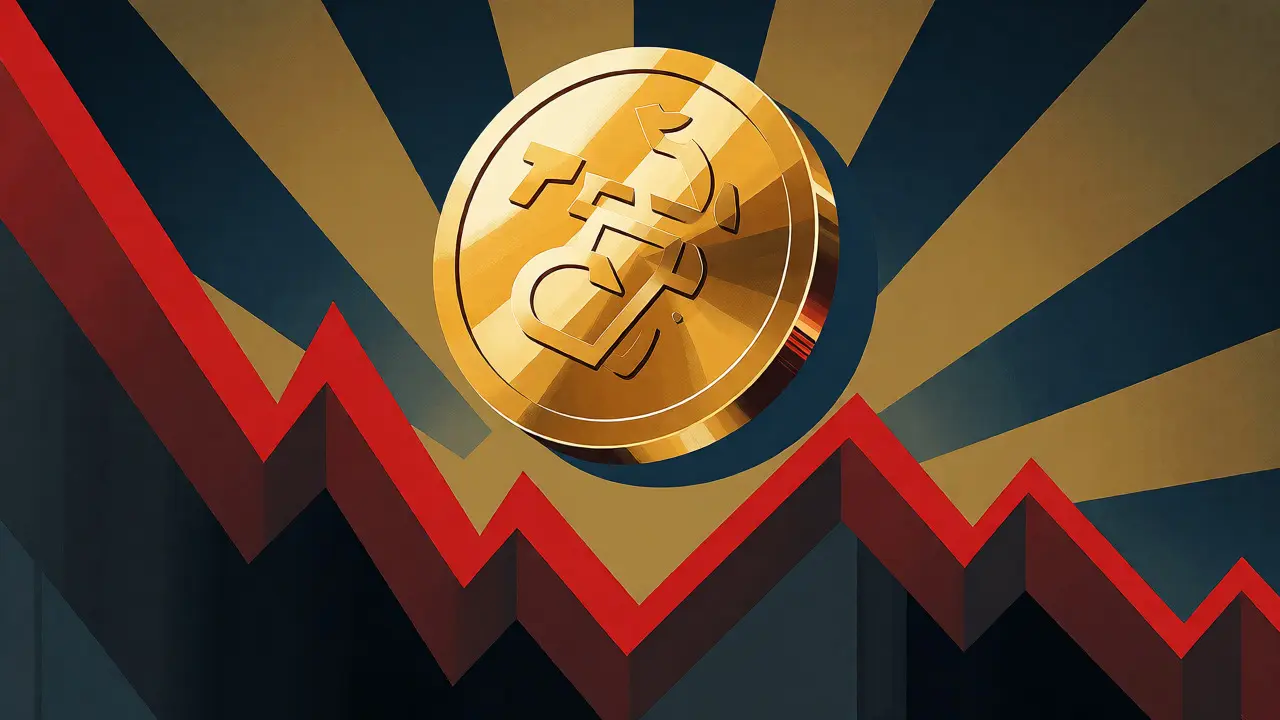
You see a shiny new coin from a major exchange and think, "This could be the next big thing." You buy in. Six months later, it’s down 40%. Sound familiar? Exchange tokens are digital assets issued by cryptocurrency platforms like Binance or KuCoin. They promise perks like fee discounts and governance rights. But do they actually make money for you? The answer isn't a simple yes or no. It depends on whether you're an active trader or a passive holder, and how much risk you can stomach.
The Core Promise: Utility vs. Speculation
Most people confuse the utility of these tokens with their investment potential. Let's break that down. An exchange token is a type of digital asset issued by a cryptocurrency exchange to provide specific benefits within its ecosystem. Think of it like a loyalty card at a coffee shop, but with wild price swings. The main draw is utility. If you hold BNB, you get trading fee discounts on Binance. This creates a direct economic benefit. If you trade heavily, the savings might outweigh the volatility. But if you just buy and hold, hoping the price goes up because everyone else wants the discount, you're betting on speculation, not utility. There is a massive difference between these two paths:
- Active Traders: You use the token to lower costs. The token is a tool. Its value matters less than the savings it generates.
- Passive Investors: You buy the token expecting capital appreciation. Here, the token is a speculative asset tied to the exchange's success.
For most retail investors, the second category is where the pain happens. Why? Because the value of the token is often inflated by hype rather than fundamental cash flow.
How Value Is Created (And Destroyed)
To understand if an exchange token is a good bet, you need to look at how its value is supported. There are three main mechanisms exchanges use to keep prices stable or rising.
First, there are fee discounts. This is the most tangible benefit. Exchanges like KuCoin offer significant reductions when users pay fees with KCS. This drives demand. More traders want the discount, so they buy the token. Simple supply and demand.
Second, many exchanges implement burn mechanisms. This involves using a portion of the exchange's profits to buy back tokens from the market and destroy them. By reducing the total supply, the remaining tokens become scarcer. In theory, this pushes the price up. However, this only works if the exchange is profitable. If trading volumes drop, the burn rate slows, and the scarcity argument weakens.
Third, there is governance. Holding tokens gives you voting power. You can influence decisions about new listings or protocol changes. While this sounds democratic, in practice, large holders (whales) dominate these votes. For small investors, governance rights are often more symbolic than practical.
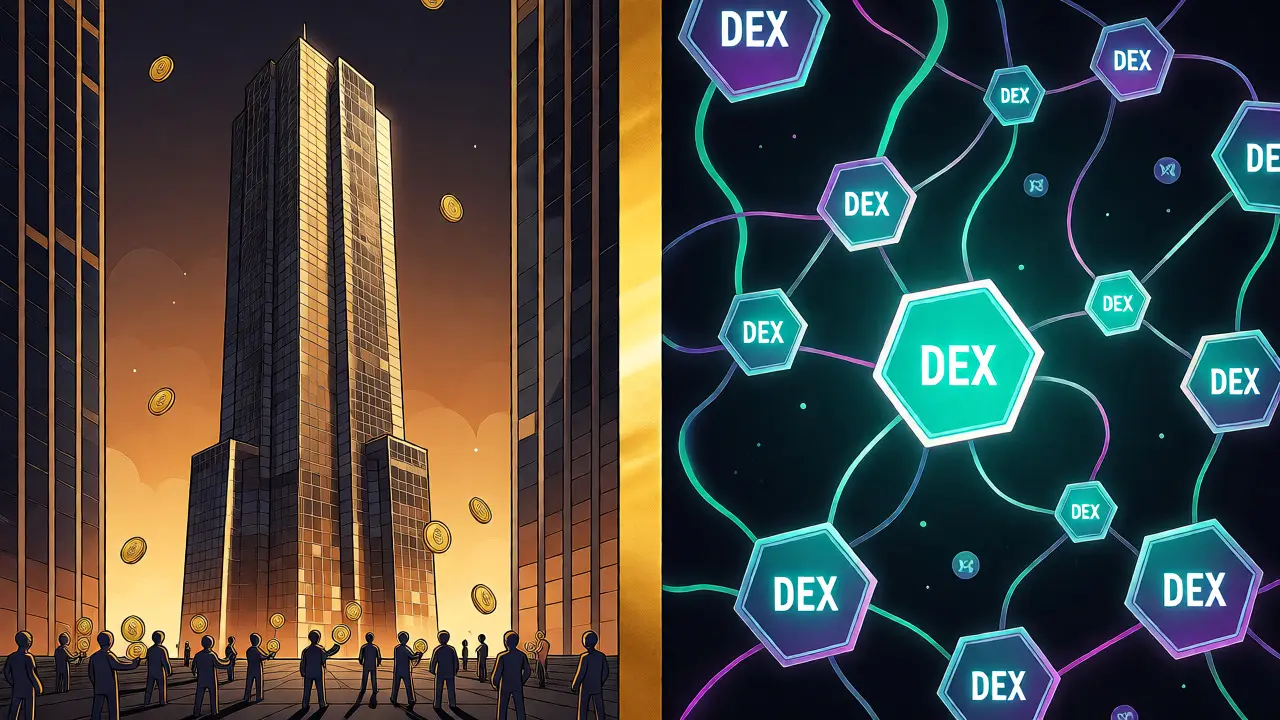
The Centralized vs. Decentralized Divide
Not all exchange tokens are created equal. You must distinguish between those issued by centralized exchanges (CEXs) and decentralized exchanges (DEXs). This distinction changes the risk profile entirely.
| Feature | Centralized Exchange (CEX) Tokens | Decentralized Exchange (DEX) Tokens |
|---|---|---|
| Examples | BNB, OKB, KCS, HT | UNI, SUSHI, CAKE |
| Value Driver | Exchange profitability and user base growth | Protocol usage and liquidity depth |
| Regulatory Risk | High (subject to local laws) | Medium (smart contract risks) |
| Transparency | Low (private companies) | High (on-chain data) |
| Primary Benefit | Fee discounts and launchpad access | Governance and yield farming |
CEX tokens like OKB from OKX rely on the company's business model. If the exchange faces regulatory crackdowns or security breaches, the token crashes. These companies are private, meaning you don't see quarterly earnings reports. You are trusting management to run things well.
DEX tokens like UNI from Uniswap operate via smart contracts. Their value is tied to the volume flowing through the protocol. Since everything is on-chain, you can verify activity yourself. However, DEXs face fierce competition. If a newer platform offers better fees or features, users migrate quickly, leaving older DEX tokens behind.
The Hidden Risks Nobody Talks About
Marketing materials highlight the upside. They rarely mention the structural flaws. Here are the real reasons exchange tokens underperform traditional stocks or Bitcoin.
Lack of Equity Ownership: When you buy Apple stock, you own a piece of the company. When you buy an exchange token, you usually don't. You have a utility claim, not an equity claim. If the exchange sells itself, you might not share in the proceeds. Some newer models try to fix this with revenue sharing, but most legacy tokens do not.
Concentration Risk: Many exchange tokens were distributed via airdrops or early sales to insiders and whales. This means a small group holds a huge percentage of the supply. When they decide to sell, the price tanks. Retail investors often end up holding the bag after the initial hype fades.
Correlation with Market Sentiment: Exchange tokens are beta plays on the broader crypto market. When Bitcoin drops, exchange tokens often drop harder. Why? Because trading volumes dry up during bear markets. Lower volume means fewer fee discounts needed and less profit for burns. The fundamental support for the token price evaporates exactly when you need it most.

When Does It Actually Make Sense?
So, should you avoid them entirely? Not necessarily. There are specific scenarios where holding an exchange token is a smart move.
You should consider buying if you are an active trader on that specific platform. If you trade daily, the fee discounts can save you thousands of dollars over a year. Even if the token price stays flat, the savings act as a return on investment. Just calculate the breakeven point. If the token drops 10% but saves you 20% in fees, you're still ahead.
You should also consider it if you want early access. Major exchanges often use their native tokens for Initial Exchange Offerings (IEOs). Holding the token allows you to participate in new project launches before the public. Historically, some IEOs have delivered significant returns, though this strategy has become less reliable in recent years due to increased scrutiny and lower-quality projects.
However, if you are a long-term investor looking for steady growth, exchange tokens are risky. They lack the intrinsic value of Bitcoin or Ethereum. They don't have the cash flow dividends of traditional stocks. They are essentially leveraged bets on the continued dominance of one specific company or protocol.
A Practical Checklist Before Buying
Before you put money into any exchange token, run through this checklist. If you miss more than one item, walk away.
- Check the Burn Schedule: How much of the exchange's profit goes to burning tokens? Is it transparent? Look for audits.
- Analyze Trading Volume: Is the exchange gaining or losing market share? Declining volume signals trouble for the token's long-term value.
- Review Regulatory Status: Has the exchange faced lawsuits or bans recently? Regulatory uncertainty is the biggest killer of token value.
- Look at Tokenomics: What percentage of the supply is held by insiders? High insider concentration equals high sell pressure.
- Evaluate Utility Beyond Discounts: Are there other real uses? Staking rewards? Launchpad access? Governance? Single-use case tokens are fragile.
Remember, the best exchange tokens are those used by millions of active traders every day. If nobody is using the platform, the token is just code with no purpose.
Do exchange tokens pay dividends?
Generally, no. Most exchange tokens do not pay direct cash dividends like traditional stocks. Instead, value is returned to holders indirectly through trading fee discounts, staking rewards, or token burn mechanisms that reduce supply and potentially increase price. Always check the specific tokenomics of each exchange, as some newer protocols are experimenting with revenue-sharing models.
Is BNB safer than smaller exchange tokens?
BNB is considered safer relative to smaller tokens because Binance is the largest exchange by volume globally. This scale provides a larger user base and more consistent revenue for burns. However, "safer" is relative in crypto. BNB is still subject to extreme volatility and regulatory risks. Smaller tokens carry higher risk of failure but offer higher potential upside if the exchange grows rapidly.
What happens if the exchange shuts down?
If a centralized exchange shuts down, the value of its native token typically collapses to near zero. Unlike stocks, where shareholders may receive residual assets, token holders often have no legal claim to the exchange's physical assets or bank accounts. The token becomes a relic of a defunct platform. This is why diversifying across multiple exchanges and tokens is crucial.
Can I lose all my money in an exchange token?
Yes, you can lose 100% of your investment. Historical examples include tokens from failed exchanges like FTX (FTT) or Mt. Gox-related assets. If the underlying business fails, loses trust, or gets banned in key jurisdictions, the token can become worthless. Never invest more than you can afford to lose completely.
Are DEX tokens better investments than CEX tokens?
Neither is inherently "better." DEX tokens (like UNI) offer transparency and censorship resistance but face intense competition and complex smart contract risks. CEX tokens (like BNB) offer ease of use and strong marketing but suffer from opacity and centralization risks. Your choice should depend on whether you prefer self-custody and on-chain verification (DEX) or convenience and fiat on-ramps (CEX).