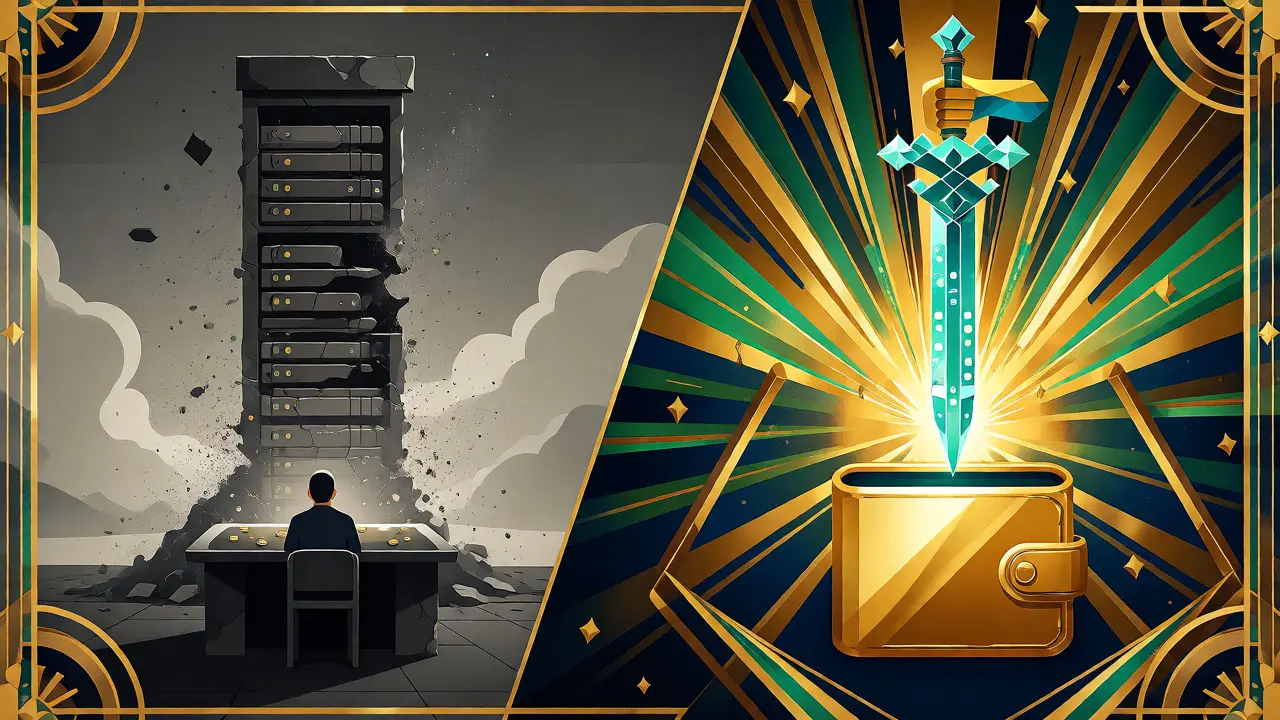
You spent hundreds of hours grinding for that rare sword in your favorite MMO. You paid $20 for the expansion pack. Then the servers shut down. Poof. Your time, money, and effort? Gone. That’s the broken promise of traditional gaming. Blockchain gaming is a new model where players truly own their digital assets through decentralized technology, allowing them to trade, sell, or move items across different games. It’s not just about hype; it’s about fixing a fundamental flaw in how we value our time online.
If you’ve heard terms like GameFi, Web3 gaming, or Play-to-Earn and felt confused, you’re not alone. The industry is messy right now. But beneath the noise lies a genuine shift in power dynamics. Let’s break down what this revolution actually means for you as a player, without the jargon overload.
The Core Problem With Traditional Games
Think about Steam, Epic Games Store, or Riot Games. When you buy a skin in League of Legends or a game on Steam, do you really own it? No. You own a license to use it while the company lets you. If they ban your account, you lose everything. If the game shuts down, your library evaporates. This is rental, not ownership.
In traditional models, developers control the servers, the economy, and the rules. Players are tenants. You can’t take your Fortnite outfit into Call of Duty. You can’t sell your World of Warcraft gold for real cash easily without risking bans. The value you create by playing stays trapped inside the developer’s walled garden. Blockchain gaming breaks these walls by moving asset storage from central servers to public ledgers.
How Blockchain Changes the Rules
At its heart, blockchain gaming uses distributed ledger technology to record who owns what. Instead of a database row on Activision’s server saying "User123 owns Sword," a cryptographic token exists on a network like Ethereum or Solana. This token points to your wallet address. The game client reads this data to show you the sword, but the ownership record lives independently of the game itself.
This setup relies on three main tech components:
- Smart Contracts: These are self-executing codes that enforce rules automatically. If you trade an item, the contract ensures both parties get what they agreed to, no middleman needed.
- NFTs (Non-Fungible Tokens): Unique digital certificates proving you own a specific item. Unlike Bitcoin, where one coin equals another, every NFT is distinct. This uniqueness allows for rarity and provenance tracking.
- Crypto Wallets: Your universal login. Instead of separate accounts for every platform, your wallet connects you to multiple games. Your identity and assets travel with you.
Most current games don’t run entirely on-chain because blockchains are slow and expensive. They use hybrid architectures. Critical things like ownership and trading happen on-chain. Fast-paced action like shooting or jumping happens off-chain on regular servers. This balance keeps gameplay smooth while securing your assets.
True Ownership and Interoperability
The biggest selling point is true ownership. In a blockchain game, if the developers quit tomorrow, your assets remain in your wallet. You might not be able to play the game anymore, but you still own the NFT. You could potentially use it in a community-run version or sell it to collectors. This shifts risk from the player to the developer, incentivizing them to build better, longer-lasting experiences.
Interoperability is the second big promise. Imagine using a character from Axie Infinity in a totally different strategy game. Or wearing a skin bought in one shooter in another. While full cross-game compatibility is still early days, standards like ERC-721 and ERC-1155 make it technically possible. Developers can agree on common formats, letting assets flow between ecosystems. This creates a broader market for your items. A rare helmet isn’t just valuable in one game; it could have utility in several.
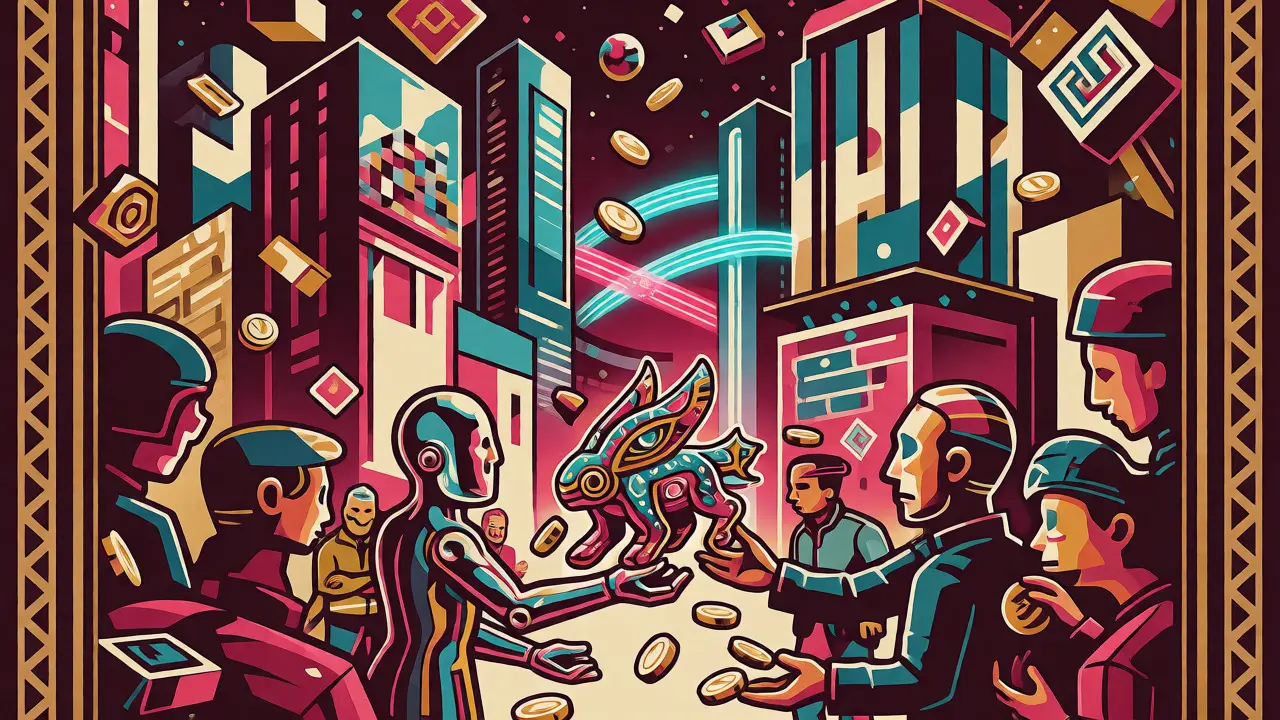
Play-to-Earn: Economics of Gaming
Traditional games monetize by selling content or subscriptions. Blockchain games often use Play-to-Earn (P2E) models. Here, players earn native tokens or NFTs by completing tasks, winning battles, or contributing to the ecosystem. These rewards have real-world value because they can be traded on open markets.
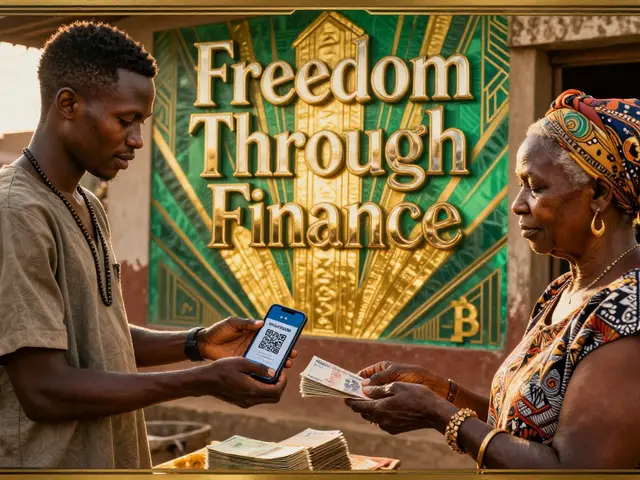
Consider Axie Infinity. During its peak, players in developing countries earned enough crypto to cover monthly expenses. They bred creatures, fought battles, and sold winnings. This wasn’t just pocket change; it was income. However, P2E models face criticism. If earnings depend solely on new players joining to buy assets, the economy can collapse when growth slows. Sustainable models focus on balancing sink mechanisms (ways to spend tokens) with faucet mechanisms (ways to earn them).
| Feature | Traditional Gaming | Blockchain Gaming |
|---|---|---|
| Asset Ownership | License-based; controlled by developer | True ownership via NFTs; controlled by player |
| Transferability | Generally non-transferable outside platform | Tradable on open marketplaces; portable |
| Economy Control | Centralized; dev sets prices/rules | Decentralized; market-driven + DAO governance |
| Data Privacy | Company holds user data | User controls data via wallet |
| Monetization | Buy-to-play, F2P with microtransactions | Play-to-Earn, Free-to-Play with asset sales |
Major Players and Real Examples
You don’t need to look far to see this in action. Axie Infinity pioneered the modern P2E wave, showing that games could support livelihoods. The Sandbox and Decentraland offer virtual worlds where users buy land, build experiences, and monetize creativity. These aren’t just concepts; they have active economies with real volume.
Newer projects like Illuvium and Gods Unchained focus on higher-quality graphics and gameplay, trying to shed the "ugly interface" reputation of early crypto games. They aim to attract traditional gamers who care more about fun than earning. This trend toward "Play-and-Earn" prioritizes engagement first, treating earnings as a bonus rather than the sole motivation.

Challenges Holding Back Adoption
It’s not all sunshine. If blockchain gaming were perfect, everyone would be doing it. Several hurdles remain:
- User Experience: Setting up wallets, managing seed phrases, and paying gas fees scares off casual players. Traditional games just ask for an email and password.
- Scalability: Blockchains struggle with high-frequency transactions. Every small action costing money or waiting seconds ruins immersion.
- Speculation Over Gameplay: Many early games focused on token price speculation rather than fun. When the bull market cooled, many players left because the game wasn’t enjoyable on its own.
- Regulatory Uncertainty: Governments are still figuring out how to tax in-game earnings and classify NFTs. This creates hesitation among mainstream publishers.
Developers are solving these issues. Layer-2 scaling solutions reduce costs. Account abstraction makes wallets easier to use. And studios are hiring experienced game designers to ensure the core loop is fun before adding crypto elements.
The Future: From Niche to Mainstream
We are currently in the transition phase. Big traditional companies are experimenting. Ubisoft launched NFT platforms. Square Enix invested heavily in blockchain. Even Apple and Google are adjusting app store policies to allow more crypto integration. This doesn’t mean every game will become a blockchain game. But the underlying infrastructure-ownership, transparency, interoperability-is becoming standard expectations.
Expect to see fewer explicit "crypto" labels and more seamless integration. You might not know a game uses blockchain until you try to sell your loot. The goal is invisible tech that empowers players. As tools improve and networks get faster, the friction disappears. The question isn’t if blockchain gaming will succeed, but which models will survive the shakeout. Look for games with sustainable economies and strong communities, not just flashy token promises.
Do I need to understand cryptocurrency to play blockchain games?
Not necessarily. Many modern blockchain games abstract away the complexity. You might use a credit card to buy items, and the game handles the crypto conversion behind the scenes. However, understanding basic wallet security helps protect your assets.
Can I really make money playing these games?
Yes, but it varies widely. Some players earn significant income, especially in regions with lower living costs. Others earn only pocket change. Success depends on skill, time investment, and market conditions. Treat it as a potential side benefit, not a guaranteed salary.
What happens if a blockchain game shuts down?
Your assets remain in your wallet because they exist on the blockchain, not just on the game's server. You may not be able to play the original game, but you retain ownership of the NFTs. These might hold collector value or be usable in other compatible projects.
Are NFTs bad for the environment?
Early blockchains like Ethereum used Proof-of-Work, which consumed lots of energy. Since the Merge in 2022, Ethereum switched to Proof-of-Stake, reducing energy usage by over 99%. Most new gaming chains also use eco-friendly consensus mechanisms.
Is blockchain gaming safe for beginners?
Start small. Use hardware wallets for large holdings and hot wallets for daily transactions. Beware of scams-never share your private keys. Research the project team and community before investing significant time or money.