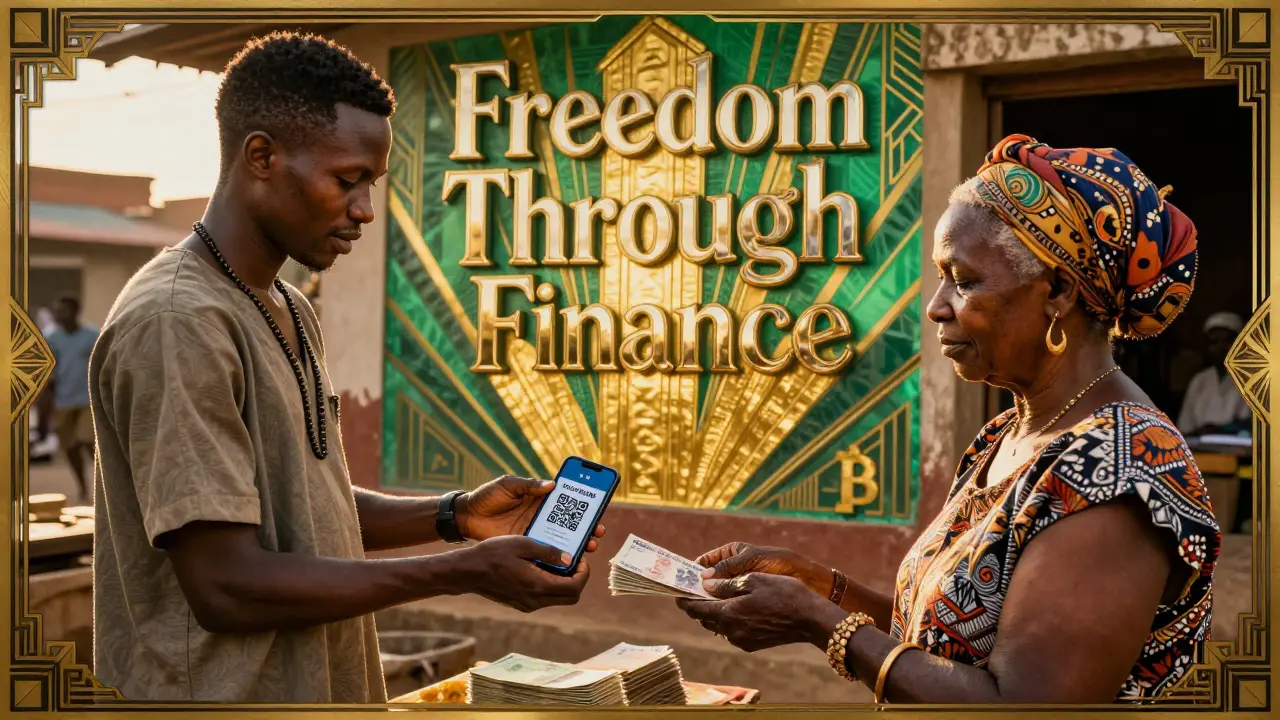
When your currency loses 75% of its value in a decade, when banks freeze your money for no reason, and when sending money to your family abroad costs you 8% in fees - you don’t wait for permission to fix it. You find another way. That’s exactly what millions of Nigerians did with cryptocurrency. Not because they were tech enthusiasts. Not because they wanted to get rich quick. But because they had no other choice.
Why People Turn to Crypto When Governments Say No
In Nigeria, inflation hit 24% in 2023. The naira, once worth 150 to the dollar, now trades near 1,500. People saw their savings vanish overnight. Banks imposed strict limits on dollar withdrawals. Remittances from the diaspora - money sent home by Nigerians abroad - became a lifeline, but traditional services like Western Union charged up to 8% per transfer. That’s $80 lost on every $1,000 sent. Enter cryptocurrency. A teenager in Lagos could buy Bitcoin with naira via peer-to-peer apps like Paxful or Binance P2P, then send it to a cousin in London. The cousin cashes out in pounds. No bank approvals. No delays. No hidden fees. Just a phone, an internet connection, and trust in the network. This wasn’t a trend. It was survival. By 2024, Nigeria ranked second in the world for crypto adoption, behind only Vietnam. And it wasn’t just the wealthy. It was market vendors, students, drivers, nurses - people with no bank accounts, no credit cards, no access to global finance. Crypto gave them a way out.How It Works Without Banks
You don’t need a bank to use crypto. You need a phone and a wallet app. In Nigeria, P2P marketplaces became the new banks. Sellers list Bitcoin at a small premium over the market rate. Buyers pay in naira via bank transfer, mobile money, or even cash deposits. The seller releases the Bitcoin once payment is confirmed. The whole process takes under 10 minutes. Local communities built their own support systems. WhatsApp groups taught new users how to set up wallets. YouTube videos in Pidgin English explained how to avoid scams. Street vendors started accepting Bitcoin for goods. Some shops even displayed QR codes next to their prices. It wasn’t government-backed. It wasn’t advertised. It just spread - because it worked. The Central Bank of Nigeria tried to shut it down in 2021, banning banks from servicing crypto exchanges. The result? Adoption didn’t drop. It jumped. People switched to decentralized platforms. They used VPNs. They traded directly. The ban didn’t stop crypto. It made it more resilient.It’s Not Just Nigeria
Nigeria is the most visible example, but it’s not alone. In Argentina, where inflation hit 270% in 2023, people bought Bitcoin to protect their paychecks. In Lebanon, with banks locking deposits and the pound collapsing, crypto became a way to preserve savings. In Venezuela, where the bolívar lost over 99% of its value since 2018, crypto helped people buy food, medicine, and diapers. In each case, the pattern was the same: crypto adoption rose not because of hype, but because the system failed. Governments banned it. People ignored the ban. They didn’t protest. They didn’t petition. They just used it. This isn’t about rebellion. It’s about function. When traditional finance doesn’t deliver, people build their own. And crypto, with its open, borderless, permissionless nature, is the only tool that lets them do it at scale.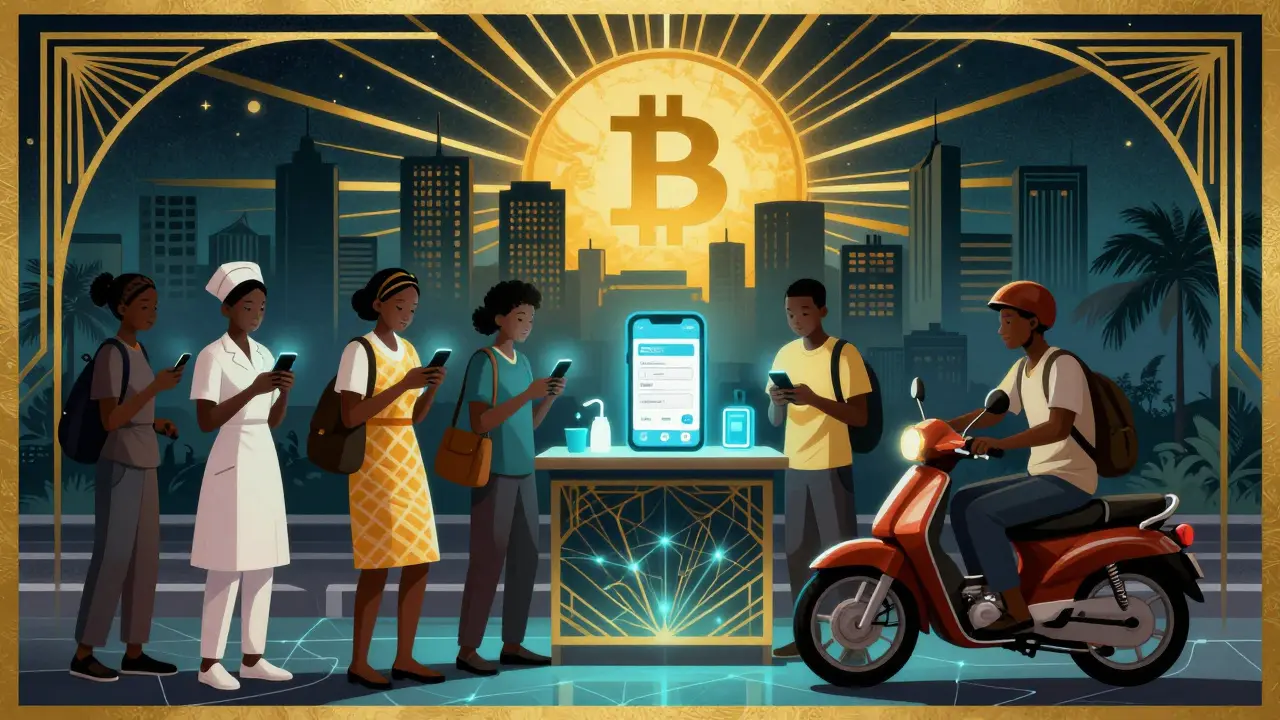
Why Governments Can’t Stop It
You can shut down exchanges. You can block websites. You can threaten banks with fines. But you can’t shut down a decentralized network. Bitcoin runs on thousands of computers worldwide. Ethereum runs on nodes in homes, data centers, even solar-powered rigs in rural areas. In 2023, the Nigerian government claimed to have arrested 300 crypto traders. But within weeks, new P2P platforms popped up. New sellers appeared. New users learned how to trade. The crackdown didn’t deter adoption - it made people more careful. They used encrypted apps. They traded in cash. They moved faster. The truth is, governments don’t control crypto. They never did. They only control the institutions around it - banks, payment processors, exchanges. Once people bypass those, the government’s power fades. Crypto doesn’t need permission. It doesn’t need a license. It just needs an internet connection.The Shift: From Ban to Regulation
In 2025, Nigeria’s government didn’t lift the ban. It just stopped enforcing it. Why? Because crypto was already woven into the economy. Remittances flowed through crypto channels. Businesses accepted it. Workers got paid in Bitcoin. Trying to reverse it would have caused chaos. This is the pattern everywhere. The U.S. once tried to regulate crypto through lawsuits. The SEC sued Coinbase, Binance, Kraken - and lost momentum. In 2025, Congress passed the GENIUS Act, creating a legal framework for stablecoins. The same year, the Trump administration issued an executive order stating it was policy to “support the responsible growth of digital assets.” Even in China, where crypto trading was banned in 2021, people still use it. The government can’t stop the blockchain. It can only try to control the narrative. And in many places, the narrative has already changed.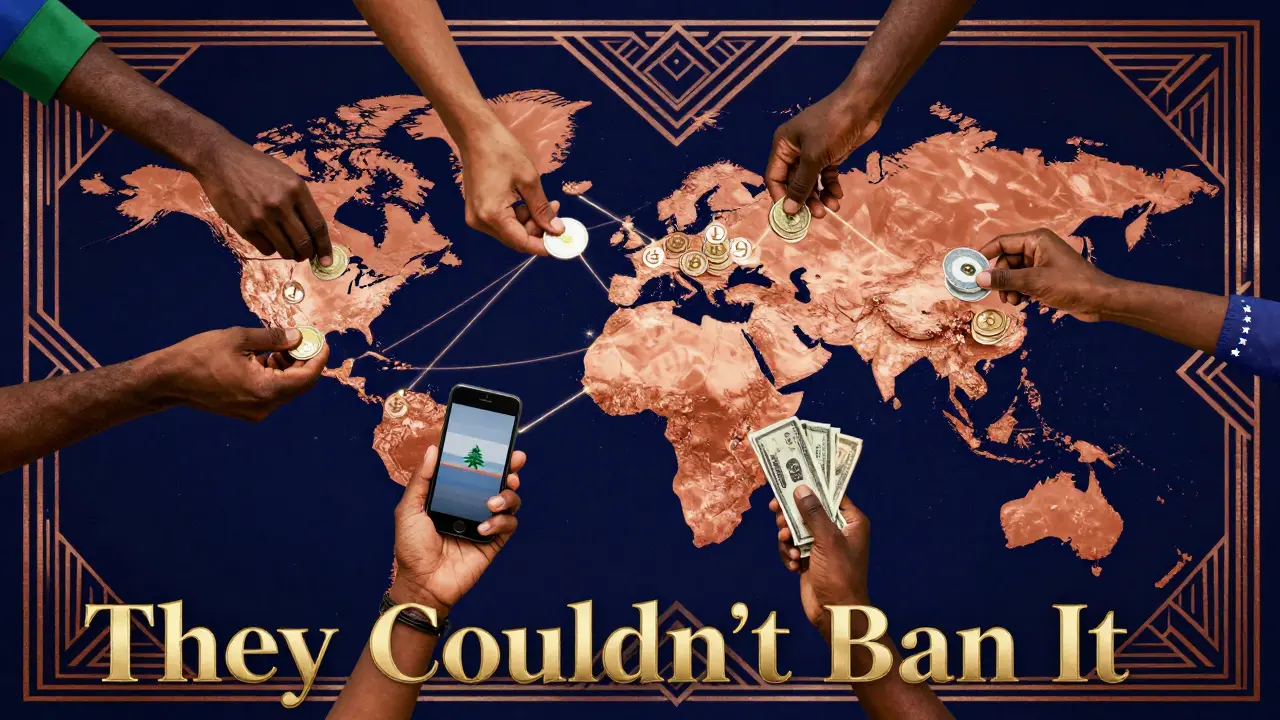
The Real Cost of Ignoring Crypto
The danger isn’t crypto itself. It’s what happens when governments ignore the people’s needs. In countries with weak institutions, crypto fills the gap. It gives the unbanked access to savings. It lets small businesses sell globally. It protects people from hyperinflation. But without regulation, it also leaves them exposed. Scams are rampant. Wallets get hacked. People lose life savings because no one taught them how to secure their keys. The real failure isn’t grassroots adoption. It’s the lack of financial infrastructure that forced people to turn to crypto in the first place.What Comes Next?
Crypto won’t replace banks. But it will keep filling the holes they leave. In 2026, we’ll see more countries - from Kenya to Egypt to Brazil - facing the same choice: ban crypto and risk economic alienation, or regulate it and give people protection. The lesson from Nigeria is clear: you can’t ban what people need. You can only delay it. And when you delay it, you make it more dangerous. The future of finance isn’t about who controls the system. It’s about who gets to use it. And right now, millions are choosing crypto - not because they love technology, but because they have no other way to survive.Why can’t governments shut down cryptocurrency completely?
Governments can shut down exchanges and block websites, but they can’t shut down a decentralized network like Bitcoin or Ethereum. These networks run on thousands of computers around the world - in homes, data centers, even off-grid locations. No single entity controls them. If one node goes down, others keep the network alive. Banning access in one country doesn’t stop people from using VPNs, peer-to-peer apps, or cash-based trades. The technology is designed to be resistant to censorship.
Is crypto adoption in Nigeria really higher than in the U.S.?
Yes. As of 2024, Nigeria ranked second globally in crypto adoption, behind only Vietnam. The U.S. ranks around 10th. The difference isn’t about tech-savviness - it’s about need. In Nigeria, crypto is used for daily survival: sending remittances, buying groceries, protecting savings from inflation. In the U.S., most crypto use is speculative - buying Bitcoin as an investment. Nigerian users trade crypto like cash. Americans trade it like stocks.
How do people in banned countries buy crypto without banks?
They use peer-to-peer (P2P) platforms like Paxful, Binance P2P, or LocalBitcoins. Sellers list Bitcoin or USDT for naira, pesos, or pounds. Buyers pay via bank transfer, mobile money, or even cash deposits. The seller releases the crypto once payment is confirmed. Some users meet in person to trade cash for crypto. Others use trusted middlemen in local communities. It’s informal, but it works - and it’s faster and cheaper than traditional remittance services.
What’s the difference between crypto adoption in Nigeria and the U.S.?
In Nigeria, crypto is used for basic financial needs: remittances, inflation protection, and access to global goods. In the U.S., it’s mostly for investment, speculation, or tech experimentation. Nigerian users treat crypto like money. American users treat it like a stock or a collectible. The Nigerian market is driven by survival. The U.S. market is driven by opportunity. That’s why bans in Nigeria backfire - people have no alternative. In the U.S., people can still use banks, credit cards, and PayPal.
Are government bans on crypto actually effective?
No - not in the long term. Bans in Nigeria, China, and Venezuela slowed adoption briefly, but didn’t stop it. People found ways around the restrictions. In Nigeria, crypto usage grew 300% after the 2021 bank ban. In Venezuela, crypto became the de facto currency for 40% of online transactions despite government warnings. Bans create black markets, not compliance. When people have no other option, they adapt. The only thing bans achieve is pushing adoption underground, where users are more vulnerable to scams and fraud.