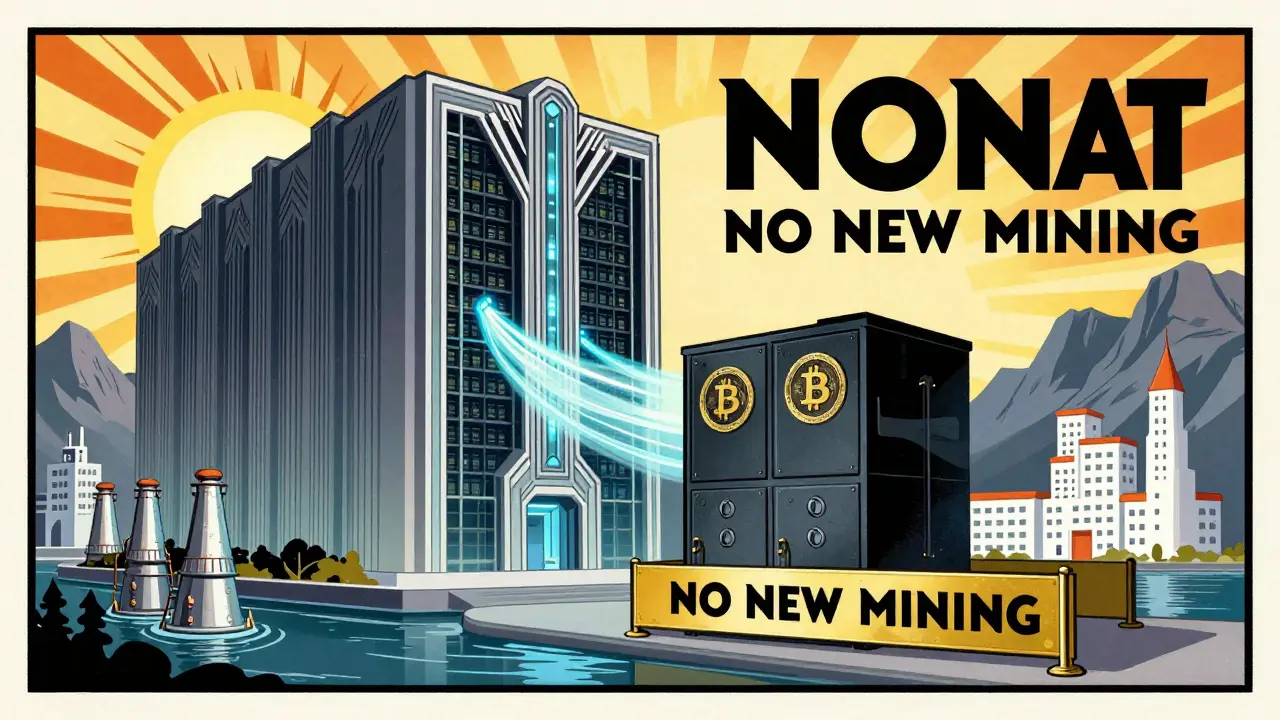
When Norway announced its temporary ban on new cryptocurrency mining data centers in autumn 2025, it didn’t just make headlines-it rewrote the rules for how countries think about renewable energy and digital finance. For the first time in Europe, a national government created a mandatory registry for all data centers and blocked new crypto mining operations outright. This isn’t a minor policy tweak. It’s a deliberate pivot away from letting crypto mining soak up clean power that could go to hospitals, factories, or homes.
Why Norway Turned Against Crypto Mining
Norway has always been a leader in renewable energy. Over 95% of its electricity comes from hydropower. That made it a magnet for crypto miners looking for cheap, green power. But by 2024, officials started asking a simple question: Is this the best use of our energy? The answer, according to Minister Karianne Tung and Energy Minister Terje Aasland, was no. Crypto mining doesn’t create many jobs. It doesn’t build local industries. It just uses massive amounts of electricity to solve math problems that benefit global investors, not Norwegian communities. In contrast, aluminum smelters, data centers for public services, and green manufacturing all create skilled jobs and contribute to Norway’s economy. The government didn’t ban mining outright. That’s key. Existing operations were allowed to keep running. But no new data centers focused on crypto mining could be built after autumn 2025. It’s a freeze, not a fire extinguisher. The goal? Stop the sector from growing, not shut down what’s already there.The Data Center Registration System
Starting January 1, 2025, Norway launched the first national data center registry in Europe. Every data center-whether it’s hosting a bank’s servers or running Bitcoin miners-must register with the Norwegian Communications Authority (Nkom). Registration isn’t optional. It’s mandatory. Operators must provide:- Company name and legal status
- Physical address of the facility
- Contact details for a government liaison
- Full list of customers-public or private
- Explicit declaration if the center supports cryptocurrency mining
The Temporary Ban: What It Does and Doesn’t Do
The ban on new crypto mining data centers kicked in during autumn 2025. But here’s what people get wrong: it’s not a blanket ban on all crypto activity. It’s not even a ban on all data centers. It’s targeted. Only new facilities built specifically for cryptocurrency mining are blocked. If you want to open a data center for cloud computing, AI research, or government services? Go ahead. The rules are clear: if your main customer list includes Bitcoin, Ethereum, or other crypto miners, you’re out. The ban doesn’t specify exact power thresholds. That’s intentional. The government doesn’t want to define a number like “50 MW” and let miners design around it. Instead, they’re judging by intent. Is the center’s purpose to mine crypto? Then it’s blocked. This ambiguity is a feature, not a bug. It forces operators to be transparent. If you’re trying to hide crypto mining behind a “cloud hosting” label, you’re risking a fine. The law is designed to make evasion hard.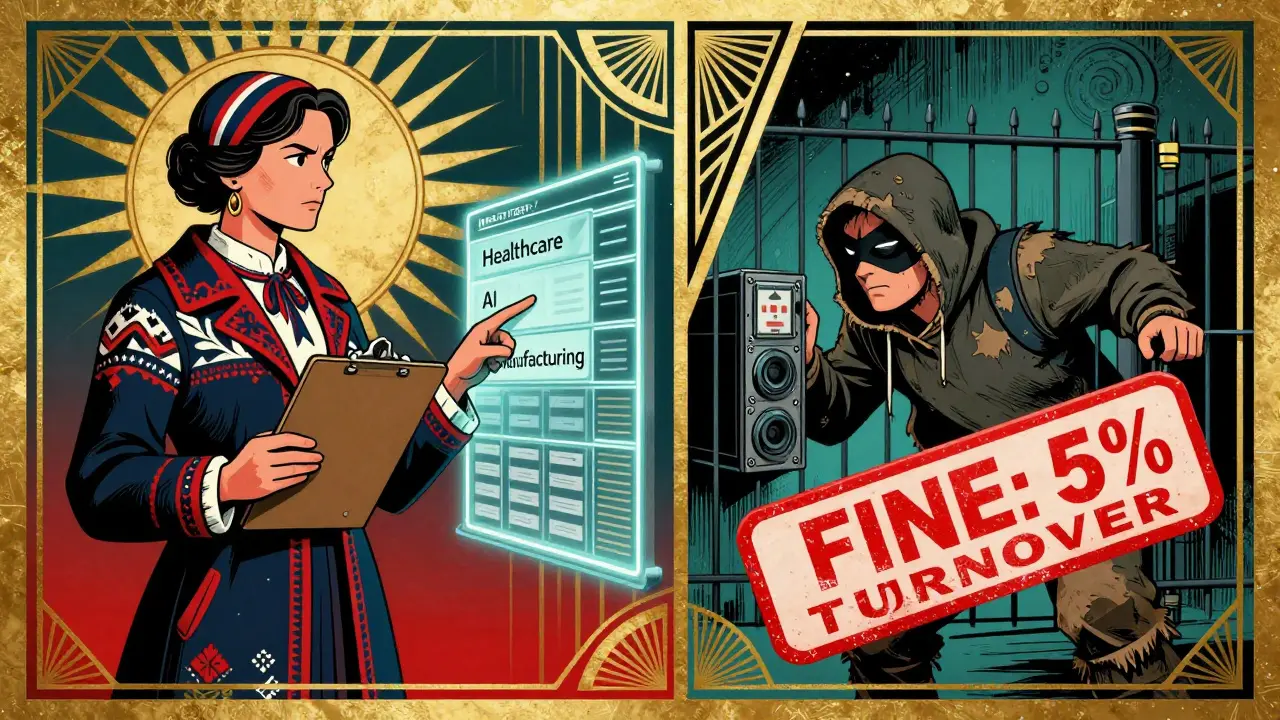
How This Compares to Other Countries
Norway’s move is unusual in Europe. Iceland, Sweden, and Finland all welcomed crypto mining. They offered low electricity prices and light regulation. Norway flipped the script. China banned crypto mining entirely in 2021. Norway’s approach is more surgical. It lets existing operations live but kills growth. That’s why some analysts call it “the Chinese ban with a conscience.” In the U.S., states like Texas and Georgia are actively courting miners with tax breaks and cheap power. Norway is doing the opposite. It’s saying: our clean energy is too valuable to trade for speculative digital assets. The EU’s MiCA regulation, rolling out in 2025, will bring some rules around crypto asset trading and custody. But it doesn’t touch energy use. Norway’s energy restrictions go further. They’re national, not just regulatory. They’re about resource allocation, not just financial compliance.Who’s Getting Hurt-and Who’s Winning
Small-scale miners in Norway are feeling the squeeze. Registration costs, legal fees, and ongoing reporting are expensive. Many can’t afford the compliance burden. Some have quietly shut down. Others are moving to Sweden or Finland, where electricity is still cheap and rules are looser. Big mining firms are relocating too. One Canadian firm that planned a 200 MW facility in northern Norway shifted its investment to Georgia, USA. Another European operator moved its planned site to Iceland. On the flip side, Norwegian manufacturers and public services are breathing easier. Hydroelectric power that might have gone to mining rigs is now being redirected to aluminum production, data centers for healthcare systems, and grid stability projects. Environmental groups are praising Norway’s stance. They see it as a model: don’t let digital gold rush drain your clean energy. The government’s message is clear: sustainability isn’t a buzzword. It’s a priority.



Hannah Campbell
January 15, 2026 AT 20:55Bryan Muñoz
January 16, 2026 AT 21:51Vinod Dalavai
January 18, 2026 AT 09:16Alexis Dummar
January 20, 2026 AT 05:10kristina tina
January 21, 2026 AT 05:32Sarah Baker
January 21, 2026 AT 23:19Pramod Sharma
January 23, 2026 AT 00:51Jill McCollum
January 24, 2026 AT 14:57Hailey Bug
January 26, 2026 AT 09:36Dustin Secrest
January 27, 2026 AT 04:55Josh V
January 27, 2026 AT 09:02Alexandra Heller
January 28, 2026 AT 08:13Christina Shrader
January 29, 2026 AT 09:32Pat G
January 31, 2026 AT 04:09myrna stovel
January 31, 2026 AT 07:30Liza Tait-Bailey
February 1, 2026 AT 18:07Chris O'Carroll
February 2, 2026 AT 13:53Andre Suico
February 2, 2026 AT 21:46Kelly Post
February 3, 2026 AT 09:48Haley Hebert
February 3, 2026 AT 22:51