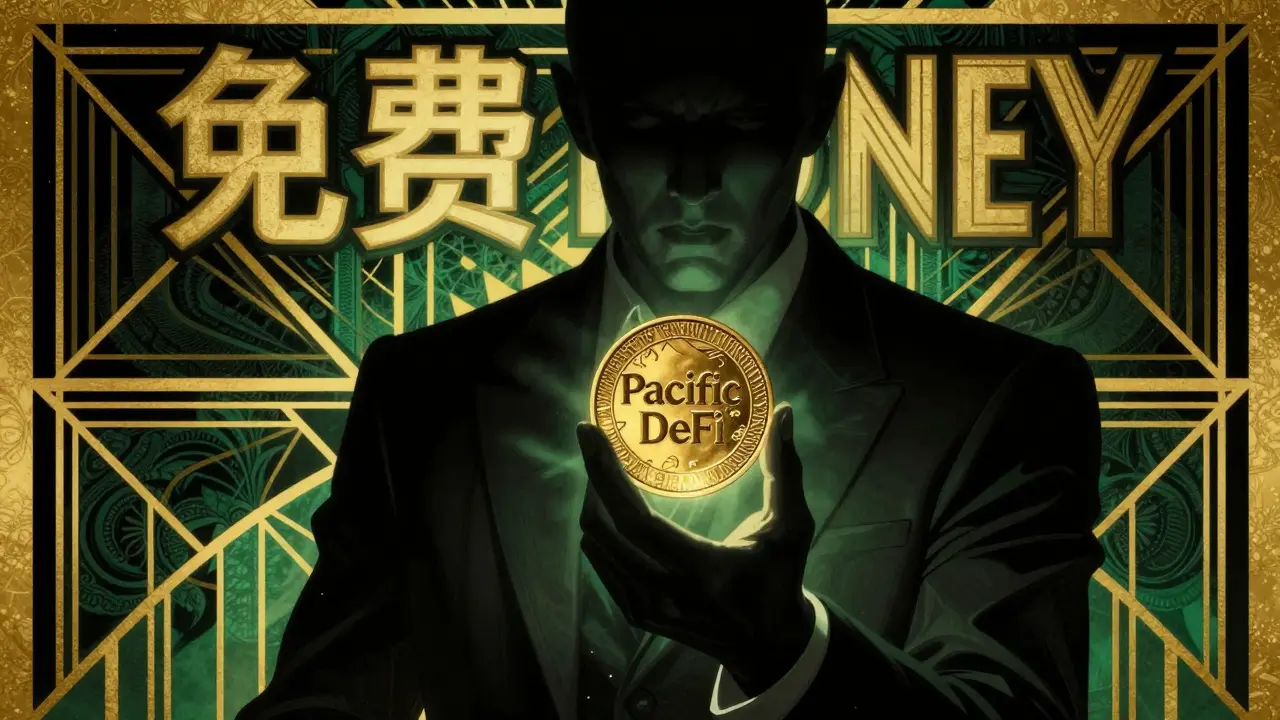
You’ve seen the hype. Maybe a Telegram group is buzzing about it, or a Discord channel claims Pacific DeFi is the next big thing with an upcoming Initial D Offering (IDO) and free token airdrop. The promise of free money in the crypto world is always tempting, especially when it’s wrapped up in buzzwords like "DeFi" and "Launch." But before you connect your wallet or spend hours completing tasks, we need to talk about what’s actually happening here.
As of June 2026, there is zero verifiable evidence that a project called "Pacific DeFi" exists on any reputable tracking platform. This isn’t just a case of missing information; it’s a major red flag. In the cryptocurrency industry, silence from authoritative sources usually means danger. If a project is real, funded, and ready for launch, it leaves a digital footprint. Pacific DeFi has left none.
The Silence Speaks Volumes: Why You Can’t Find Pacific DeFi
Let’s look at the facts. When legitimate projects prepare for an IDO, they don’t hide. They list themselves on established aggregators and launchpads. We checked the heavy hitters in the space-platforms that track thousands of tokens and airdrops daily. Here is where Pacific DeFi is completely absent:
- Airdrops.io: This site tracks everything from Layer 2 solutions like Arbitrum and Optimism to Solana ecosystem plays. No mention of Pacific DeFi.
- ICOAnnouncement.io: Known for listing decentralized exchange offerings via platforms like Polkastarter and BSCPad. Zero listings for this project.
- CoinPedia Markets Launchpad: Their verification process is strict. They only list hand-picked, verified presales. Pacific DeFi doesn’t appear in their database.
- ZebPay & CryptoNinjas: These outlets highlight massive campaigns, such as Nexchain’s presale which raised over $10 million. They document specific stages and metrics. Pacific DeFi has no comparable documentation.
This absence is not accidental. Legitimate projects require transparency. They publish whitepapers, open GitHub repositories, and engage with communities publicly. Without these basics, you are flying blind. And in crypto, flying blind often leads to crashing hard.
How Legitimate IDOs Actually Work
To understand why Pacific DeFi looks suspicious, you need to know how real IDOs operate. An Initial D Offering allows projects to raise funds by selling tokens directly to investors through a decentralized exchange or launchpad. It’s designed to be fairer than traditional ICOs, but it still requires rigorous checks.
| Feature | Legitimate Project (e.g., Nexchain) | Suspicious Project (e.g., Pacific DeFi) |
|---|---|---|
| Visibility | Listed on CoinPedia, ICO Bench, and major aggregators | Missing from all major tracking sites |
| Documentation | Public whitepaper, clear tokenomics, audit reports | No whitepaper, vague promises, no audits |
| Community | Active, verified Discord/Telegram with admin presence | Anonymous admins, copy-pasted messages, high bot activity |
| Roadmap | Detailed timeline with past milestones achieved | Futuristic goals with no history or proof of work |
Notice the difference? Real projects have a trail. They show you who is behind them, how the money will be used, and what security measures are in place. Pacific DeFi offers none of this. Instead, it relies on hype. That is a classic tactic used by scammers to create a sense of urgency before disappearing with users’ funds.

The Anatomy of an IDO Scam
Why do scams like this persist? Because they exploit human psychology. Fear Of Missing Out (FOMO) is powerful. When people see others claiming to get rich from an airdrop, they want in too. Scammers use this to their advantage. Here is how a typical fake IDO scam unfolds:
- The Hook: A new "revolutionary" DeFi project is announced. The name sounds professional-often using words like "Pacific," "Global," or "Quantum" to sound established.
- The Hype: Fake influencers promote the project. Telegram groups fill with bots praising the team. The narrative is simple: "Get in early, get free tokens, sell for millions later."
- The Task: To qualify for the airdrop, you must complete tasks. These might include joining a Discord, following social media accounts, or, most dangerously, connecting your wallet to a malicious website.
- The Trap: Once you connect your wallet, the scammer’s smart contract can drain your assets. Alternatively, they may ask for a small "gas fee" or "verification payment" to release your tokens. This is never required for legitimate airdrops.
- The Exit: After draining wallets or collecting fees, the website goes offline. The Telegram group is deleted. The project vanishes.
Security researchers at ZebPay warn that the permissionless nature of blockchain makes it easy for bad actors to deploy malicious contracts. Without strong transparency and audits, you have no protection. Pacific DeFi lacks both.
Red Flags: How to Spot a Fake Airdrop
You don’t need to be a blockchain expert to spot trouble. Look for these specific warning signs. If you see even one, walk away.
- No Website or Broken Links: Legitimate projects have professional websites. If the link leads to a generic landing page or nothing at all, it’s a scam.
- Anonymous Team: Who built this? If the founders are hidden behind pseudonyms with no LinkedIn profiles or public history, be skeptical. Real teams put their reputations on the line.
- Pressure to Act Fast: Phrases like "Only 24 hours left!" or "Whitelist closing soon!" are designed to stop you from thinking critically. Take your time. Research takes effort.
- Requests for Private Keys: Never, ever share your private key or seed phrase. No legitimate service will ever ask for this. If they do, it’s a theft attempt.
- Unverified Contracts: Check if the smart contract is audited by firms like CertiK or OpenZeppelin. If there’s no audit report, the code could contain backdoors.
In the case of Pacific DeFi, almost every red flag is present. There is no verifiable team, no audit, no listing on trusted platforms, and no clear utility for the token. It fits the profile of a "rug pull"-a term used when developers abandon a project and take the invested funds with them.

What Should You Do Instead?
If you’re looking for legitimate opportunities, focus on projects with proven track records. For example, look at how Nexchain documented its Stage 27 presale, raising over $10 million with full visibility into progress. Or consider retroactive airdrops from established protocols like Uniswap, which rewarded actual users who interacted with the network, not just those who clicked buttons.
Here is a checklist for safe participation:
- Verify on Multiple Sources: Don’t trust a single Telegram message. Check CoinGecko, CoinMarketCap, and dedicated airdrop trackers.
- Use a Burner Wallet: If you must interact with a new protocol, use a separate wallet with minimal funds. Never connect your main holding wallet to unverified sites.
- Check Social Sentiment: Look for organic discussion on Reddit or Twitter. Be wary of accounts created recently that only post promotional content.
- Read the Fine Print: Understand the tokenomics. How many tokens are allocated to the team? What is the vesting schedule? If the team holds a large percentage that unlocks immediately, they can dump on retail investors.
Remember, if it sounds too good to be true, it probably is. Free tokens are rare, and when they are offered, they come with significant risks. Protect your capital by sticking to verified projects.
Conclusion: Stay Safe in the Wild West
The crypto space moves fast, and new projects emerge daily. But speed should never compromise security. The lack of information surrounding Pacific DeFi is not a mystery to solve; it’s a warning sign to heed. By ignoring this opportunity, you protect yourself from potential loss. Focus your energy on projects that respect your intelligence and prioritize transparency. Your portfolio will thank you.
Is Pacific DeFi a legitimate project?
No. As of June 2026, there is no verifiable evidence of Pacific DeFi on any reputable crypto tracking platform, launchpad, or aggregator. Its absence from sources like CoinPedia and Airdrops.io suggests it is either non-existent or a potential scam.
How can I verify if an IDO is real?
Check multiple independent sources. Look for listings on established platforms like ICOAnnouncement.io or CoinPedia Markets. Verify the existence of a public whitepaper, audit reports from firms like CertiK, and a transparent team with public identities.
What are the signs of an airdrop scam?
Common signs include anonymous teams, pressure to act quickly, requests for private keys or upfront fees, and lack of presence on major crypto data sites. Always be wary of projects that rely solely on social media hype without technical documentation.
Should I connect my wallet to unknown airdrop sites?
Never connect your primary wallet to unverified sites. Use a burner wallet with minimal funds if you choose to participate in risky activities. Legitimate airdrops rarely require complex wallet interactions beyond basic signing.
Where can I find safe crypto airdrops?
Stick to well-known platforms like Airdrops.io, CoinPedia Markets, and official announcements from established protocols. Look for projects with active development, clear roadmaps, and community engagement on public forums.