Bitcoin Mining in Iran: Rules, Risks, and Realities
When you hear Bitcoin mining in Iran, the practice of using computer hardware to validate Bitcoin transactions and earn new coins within Iran’s unique regulatory and economic environment. Also known as Iranian crypto mining, it’s not just about electricity—it’s about survival, sanctions, and state control. While most countries see mining as a tech hobby or business, in Iran it’s a lifeline. With hyperinflation and banking restrictions, many Iranians turn to mining to convert local currency into something that holds value globally—like Bitcoin.
Crypto mining regulations, the legal framework governing how individuals and businesses can operate mining rigs in a given country. Also known as cryptocurrency laws, it’s a messy patchwork in Iran. The government doesn’t ban mining outright—it just controls it. You need a license, you must buy power from state utilities, and you’re only allowed to use approved hardware. Unlicensed miners risk fines, equipment seizures, or worse. But enforcement is spotty. Many miners operate in hidden warehouses, using smuggled rigs or repurposed industrial equipment. The state even runs its own mining pools, taking a cut of the Bitcoin produced. It’s not freedom—it’s a tightly managed system where mining is both a tool of resistance and a source of state revenue.
Iran cryptocurrency, the ecosystem of digital assets used, traded, and mined within Iran despite international financial isolation. Also known as Iranian crypto adoption, it’s one of the most active in the world. People use Bitcoin and USDT to buy food, pay for medicine, or send money abroad. Mining isn’t just about profit—it’s about access. And because the government can’t fully stop it, they’ve made it part of the economy. Electricity is subsidized, so mining costs pennies per kWh. But when the grid fails or sanctions tighten, miners lose power overnight. Some use solar panels. Others trade mining rigs like cars—buying, selling, or hiding them to avoid confiscation.
Then there’s the hardware. Bitcoin hashpower, the computational power used to solve the cryptographic puzzles behind Bitcoin mining. Also known as mining capacity, it’s what turns electricity into coins. In Iran, miners use everything from old ASICs to stolen equipment. New rigs are hard to import due to sanctions, so many rely on black-market suppliers or secondhand gear from Turkey or China. The result? A patchwork of low-efficiency machines running 24/7, overheating, burning out. Most miners know they won’t get rich. But they also know that if they don’t mine, their savings vanish in weeks.
What you’ll find in the posts below isn’t theory—it’s real stories. You’ll see how Iranian miners adapt to blackouts, how they bypass sanctions with USDT, how they turn mining into a family business. You’ll read about exchanges that still work there, and the ones that don’t. You’ll learn why state-run mining pools are growing, and why private miners are vanishing. This isn’t a guide to getting rich. It’s a map to surviving.
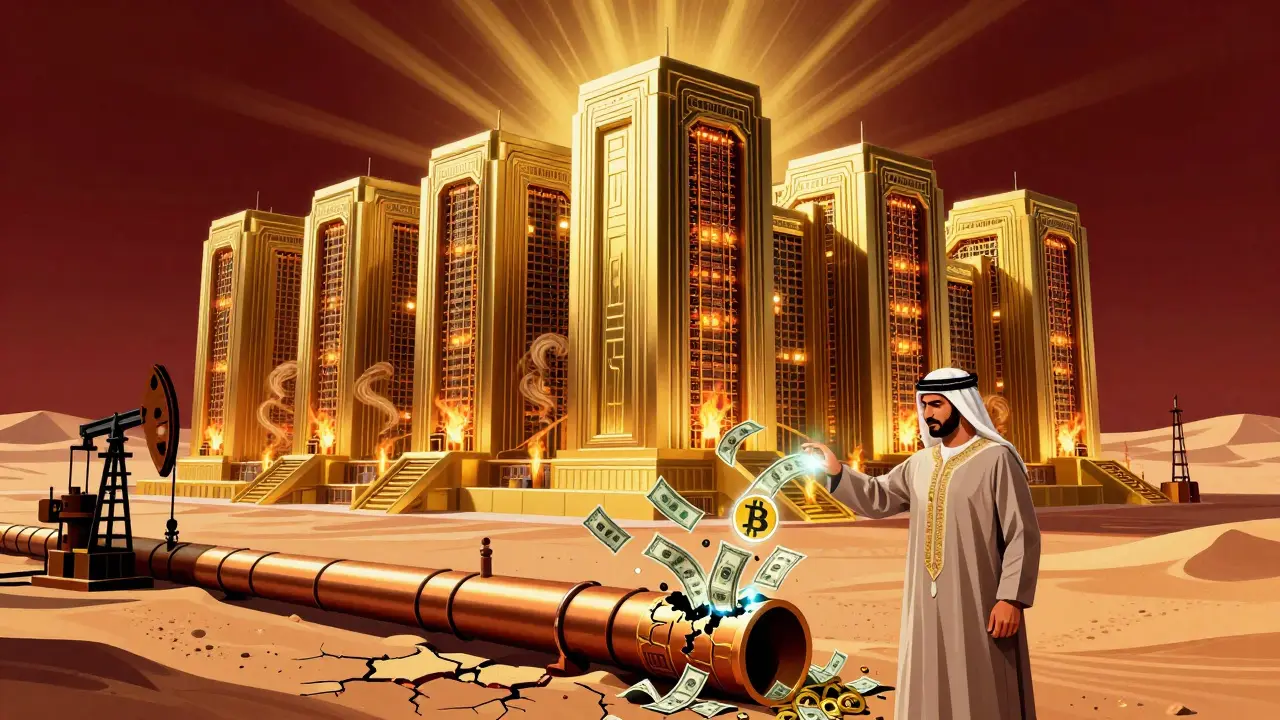
How Iran Uses Bitcoin Mining to Bypass International Sanctions
Iran has turned Bitcoin mining into a state strategy to bypass international sanctions, using cheap energy and state-backed infrastructure to generate billions in crypto revenue while avoiding Western banking systems.