Crypto Exchange: How to Choose, Avoid Scams, and Trade Smart
When you use a crypto exchange, a platform where you buy, sell, or trade digital assets like Bitcoin or Ethereum. Also known as cryptocurrency trading platform, it’s the gateway between your money and the blockchain—but not all of them have your back. Some are built by teams with real security, clear rules, and customer support. Others? They vanish with your funds, fake reviews, and zero transparency.
That’s why you need to know what to look for. A good crypto exchange review, a detailed analysis of fees, security, and user experience tells you if a platform is legit or just another trap. Look at things like cold storage, two-factor authentication, and whether they’re regulated in any country. If a site says "no KYC" and promises 10x returns, run. Real exchanges like OMGFIN or Nominex get called out for real reasons—not just because they’re new.
Then there’s the crypto exchange scam, a fake platform designed to steal your crypto through fake apps, fake airdrops, or fake customer service. Bololex isn’t a real exchange—it’s a page with fake price charts. Garantex isn’t banned because it’s illegal everywhere—it’s banned because it helps launder money. These aren’t edge cases. They’re the norm in unregulated corners of the market. Even CoinMarketCap listings don’t guarantee safety. GDOGE and SWAPP had listings. Both are dead.
And fees? They’re not just numbers on a screen. A 5% withdrawal fee killed OpenLedger. A daily $50,000 ruble limit on withdrawals in Russia reshaped how millions trade. Japan’s rules force exchanges to keep user funds separate from company cash. That’s not bureaucracy—that’s protection. If your exchange doesn’t explain how it protects your money, it’s not worth your time.
What you’ll find below isn’t a list of the "best" exchanges. It’s a collection of real stories: platforms that failed, platforms that got shut down, platforms that stole from users, and a few that actually tried to do right. You’ll see why some exchanges disappear overnight, how Russian traders bypass sanctions, why Japanese users sleep better at night, and how meme coins get listed on exchanges that shouldn’t even be open. This isn’t theory. It’s what happened. And it’s what you need to know before you click "Buy".
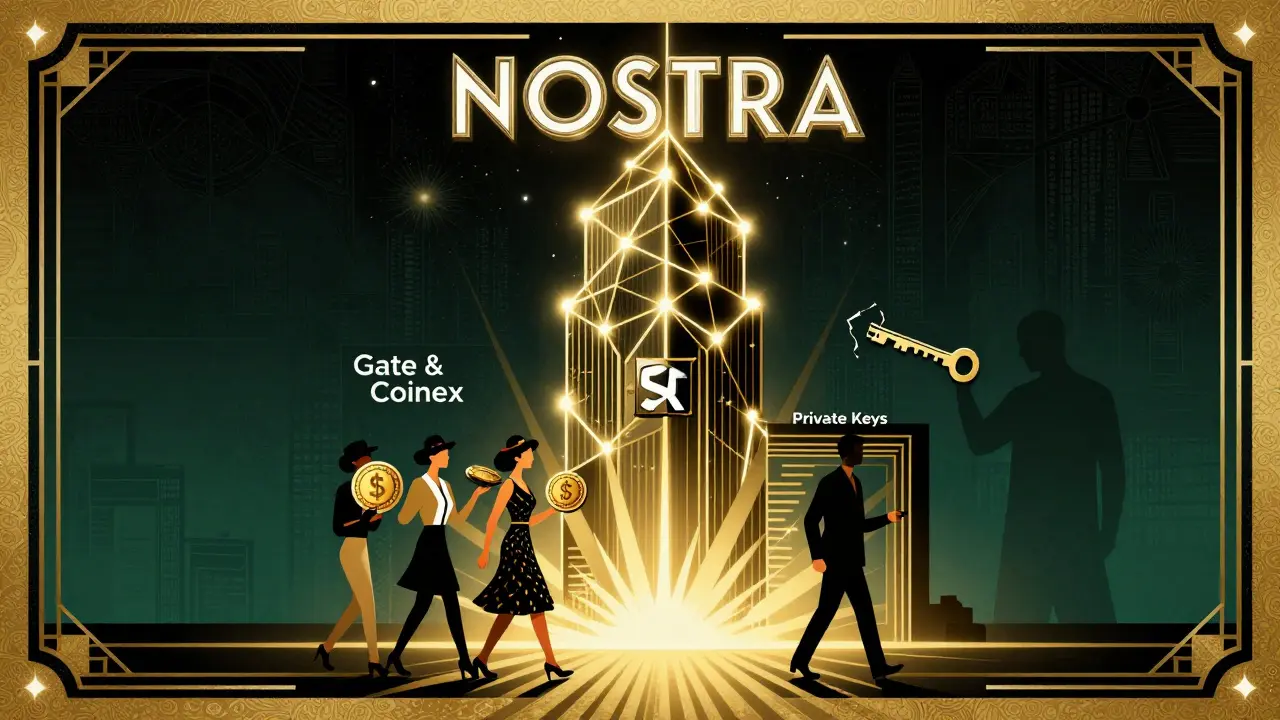
Nostra Crypto Exchange Review: What You Need to Know Before Trading NSTR
Nostra isn't a crypto exchange-it's a DeFi protocol on StarkNet with a governance token called NSTR. Learn where to buy it, the risks, and who it's really for.
ReflexTrader Crypto Exchange Review: What You Need to Know Before Trading
ReflexTrader is not a legitimate crypto exchange. No verified information exists about it, and all signs point to a scam. Avoid deposits and use trusted platforms like Coinbase or Kraken instead.
Meteora DBC Crypto Exchange Review: What We Know in 2026
Meteora DBC is a crypto exchange with low transparency. Despite some trading volume, it lacks security info, team details, and official documentation. Proceed with extreme caution.
SkullSwap Crypto Exchange Review: Is This Fantom DEX Worth Your Time?
SkullSwap is a nearly dead Fantom-based DEX with microscopic liquidity, no audits, and zero community. Avoid it. Use SpookySwap or PancakeSwap instead for real trading.
Arbitrum One DEX Review: How to Swap Crypto with Low Fees on Arbitrum
Arbitrum One isn't a crypto exchange - it's the fastest, cheapest Layer-2 network powering DEXs like Camelot and Uniswap. Learn how to swap tokens with $0.30 gas fees and avoid common pitfalls.