Cryptocurrency Sanctions: What They Are, Who They Target, and How Traders Adapt
When governments impose cryptocurrency sanctions, official restrictions on digital asset transactions to enforce political or economic policy. Also known as crypto bans, these measures target exchanges, wallets, and even individual users to cut off financial flows tied to sanctioned nations, criminal networks, or illicit activity. This isn’t just about freezing accounts—it’s about rewriting how money moves in the digital age.
One of the clearest examples is the Garantex sanctions, U.S. Treasury actions against a major Russian crypto exchange accused of enabling money laundering. Also known as Russian crypto crackdown, this move didn’t stop trading—it forced users underground. Traders now route funds through shadow platforms like Grinex and Exved, using USDT and shell companies to bypass banks. Meanwhile, privacy coins, digital assets designed to obscure transaction details like Monero and Zcash. Also known as anonymous crypto, they’re being systematically delisted from major exchanges worldwide because regulators see them as too hard to trace. This isn’t a coincidence—it’s a coordinated effort to remove financial anonymity. The same pressure is hitting state-controlled mining in Venezuela, where the government uses SUNACRIP to monitor every mining rig, and in countries like the U.S. and UK, where exchanges like OKX block access entirely to avoid legal risk.
These sanctions aren’t just about stopping crime—they’re reshaping who can use crypto and how. In places like Russia and Venezuela, people aren’t giving up on crypto because it’s trendy. They’re using it to survive hyperinflation, send money abroad, or pay for essentials when banks won’t let them. Meanwhile, regulators are tightening rules on exchanges like HashKey and OMGFIN, demanding KYC, fund segregation, and compliance checks that make it harder for ordinary users to operate without paperwork. The result? A split crypto world: one side for institutions playing by the rules, and another for everyday people finding ways around them.
What you’ll find below are real stories from this fractured landscape: how Russian traders keep moving money, why privacy coins are vanishing from exchanges, how Venezuela’s state-run mining system works (and why it’s broken), and which platforms are still open for business despite the crackdowns. These aren’t theoretical debates—they’re survival guides written by people living inside the system.
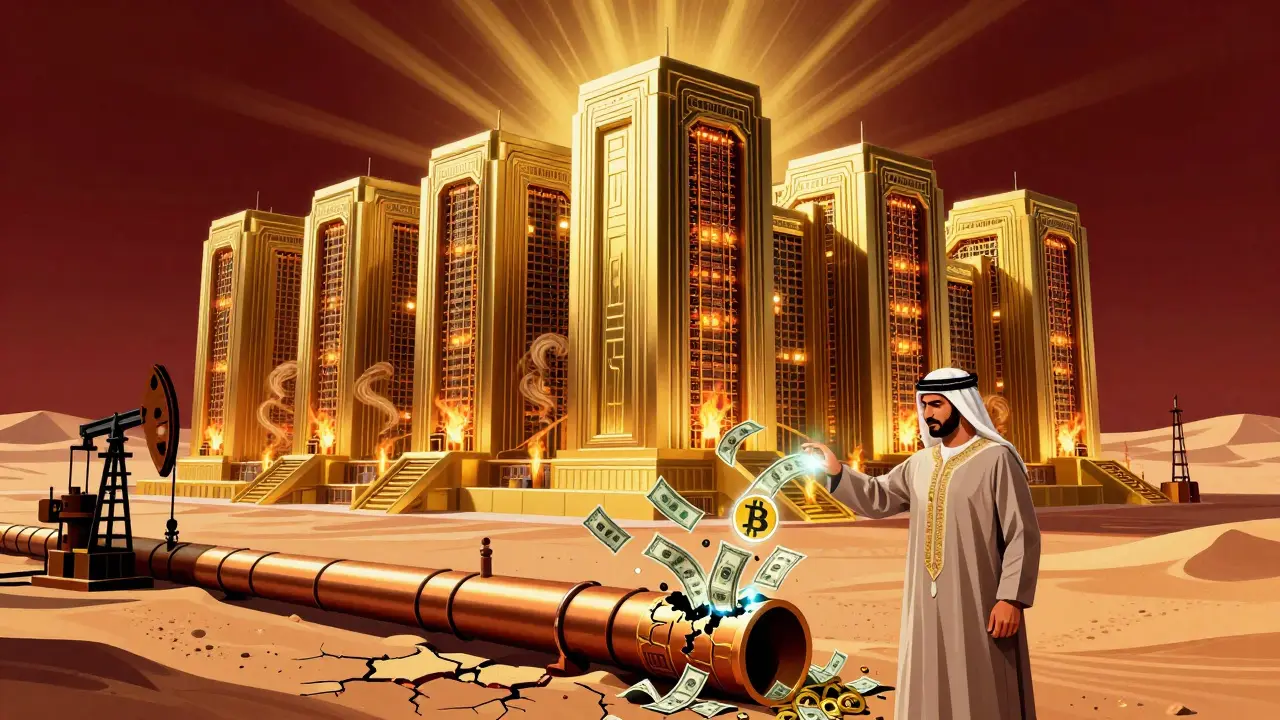
How Iran Uses Bitcoin Mining to Bypass International Sanctions
Iran has turned Bitcoin mining into a state strategy to bypass international sanctions, using cheap energy and state-backed infrastructure to generate billions in crypto revenue while avoiding Western banking systems.