Iran Bitcoin Mining: How Geopolitics, Energy, and Regulation Shape Crypto Mining in Iran
When you think of Iran Bitcoin mining, the use of Iran’s low-cost electricity to power Bitcoin mining operations, often in defiance of state restrictions. Also known as crypto mining in Iran, it’s one of the most politically charged forms of digital mining on the planet. Unlike countries that ban it outright, Iran doesn’t officially outlaw Bitcoin mining—but it doesn’t exactly welcome it either. The government walks a tightrope: it needs the energy revenue from mining rigs, but fears losing control over its currency and capital flows. This tension creates a wild, unpredictable landscape where miners operate in gray zones, sometimes with state permission, sometimes in secret.
What makes Iran unique is its energy mining Iran, the use of subsidized electricity to run cryptocurrency mining hardware at a fraction of global costs. Also known as cheap power mining, it’s the backbone of the whole operation. Iran has some of the lowest electricity prices in the world, often under $0.01 per kWh, thanks to massive oil and gas reserves. That’s why tens of thousands of ASIC miners are scattered across warehouses, garages, and even homes. But here’s the catch: when the grid gets overloaded, the government cuts power to mining farms first. In 2021, a nationwide blackout shut down over 60% of Iran’s mining capacity overnight. Miners learned fast—they started buying generators, solar panels, and backup batteries. Some even moved to rural areas where enforcement is looser and electricity is more stable.
Then there’s the crypto mining regulations, the evolving legal framework that controls who can mine, how much power they can use, and whether they must sell their Bitcoin to the central bank. Also known as state-controlled mining, this system turns miners into reluctant suppliers. The Iranian government requires miners to register, pay fees, and hand over a portion of their Bitcoin to the Central Bank at a fixed rate. It’s not a ban—it’s a tax. And it’s working: Iran still ranks among the top five Bitcoin mining countries globally, even after U.S. sanctions made it harder to buy new hardware or access international exchanges. Miners now rely on smuggled chips, local repair shops, and peer-to-peer trading platforms to keep going.
And it’s not just about Bitcoin. The same infrastructure powers other coins—Ethereum before the merge, Monero for privacy, and even newer tokens that thrive in unregulated spaces. But the risks are real. Miners get raided. Accounts get frozen. Families lose everything when a single power bill triggers a crackdown. Still, for many Iranians, mining isn’t a hobby—it’s survival. It’s how people buy food, send money abroad, and protect savings from hyperinflation. The government may try to control it, but the rigs keep running. Because in Iran, crypto mining isn’t just about profit. It’s about freedom.
Below, you’ll find real stories, technical breakdowns, and regulatory updates from the frontlines of Iran’s underground crypto economy. From how miners bypass sanctions to what happens when the lights go out, these posts cut through the noise and show you exactly how it works—on the ground, in real time.
How Iran Uses Bitcoin Mining to Bypass International Sanctions
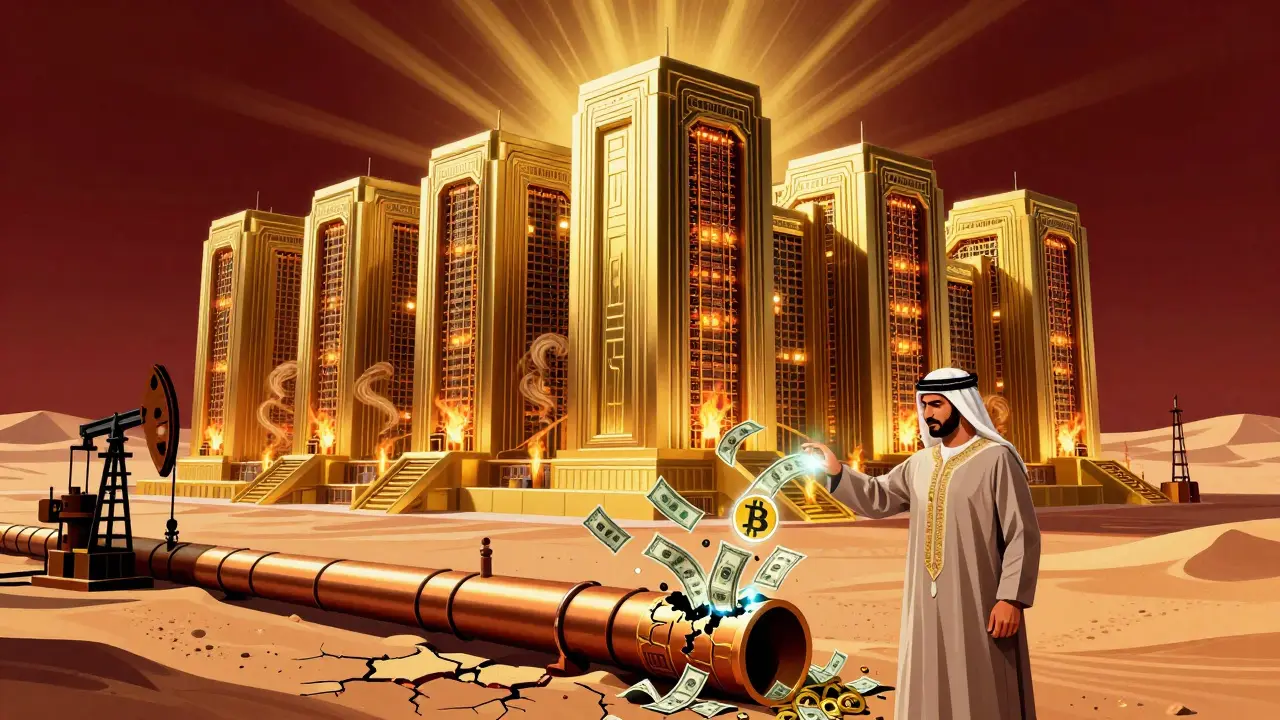
Iran has turned Bitcoin mining into a state strategy to bypass international sanctions, using cheap energy and state-backed infrastructure to generate billions in crypto revenue while avoiding Western banking systems.