TON Coin Price: What’s Driving Its Value and Where to Find Real Data
When you search for TON coin price, the market value of the cryptocurrency built by Telegram’s team to power a fast, scalable blockchain network. Also known as Toncoin, it’s not just another altcoin—it’s a live network used by millions for payments, DeFi, and messaging integrations. Unlike many coins that rely on speculation, TON’s value comes from real usage: over 800 million Telegram users have access to its wallet, and daily transactions run in the tens of millions. This isn’t theoretical—it’s happening now.
What makes TON different? It’s built for speed and scale. The TON blockchain, a layer-1 network using sharding and proof-of-stake to handle up to 1 million transactions per second doesn’t slow down under load. Compare that to Ethereum’s 15–30 TPS, and you see why big players are watching. Its native token, Toncoin, the fuel for all operations on the network, from smart contracts to peer-to-peer transfers, isn’t just traded—it’s spent. People use it to pay for ads on Telegram, tip creators, and even buy goods in supported stores across Asia and Latin America. The price doesn’t float in a vacuum; it’s tied to how many people are actually using the network.
But here’s the catch: most price charts you see online are misleading. Many exchanges list TON with fake volume, or bots inflate trading numbers. Real adoption isn’t measured in pump-and-dump spikes—it’s in wallet activity, on-chain transfers, and merchant adoption. That’s why the posts below cut through the noise. You’ll find breakdowns of where TON is actually growing, which wallets are safest to use, how staking rewards work in practice, and why some exchanges delist it while others double down. No fluff. No hype. Just what’s happening on the ground. Whether you’re holding TON, thinking about buying, or just trying to understand why it matters, the real answers are here.
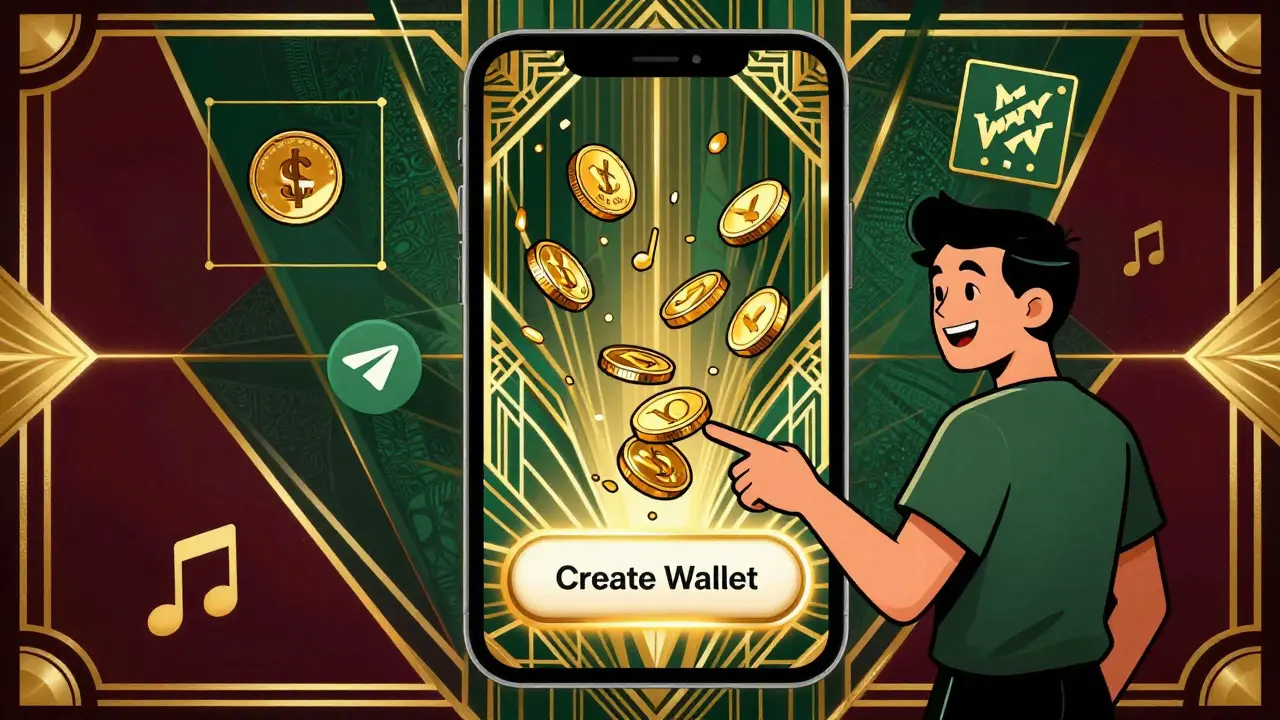
What is Toncoin (TON) Crypto Coin? The Full Guide to TON Blockchain and How It Works
Toncoin (TON) is the native cryptocurrency of The Open Network, a fast, low-cost blockchain built into Telegram. With 900M+ users, TON enables instant, fee-free crypto payments without leaving the app. Learn how it works and why it's different.