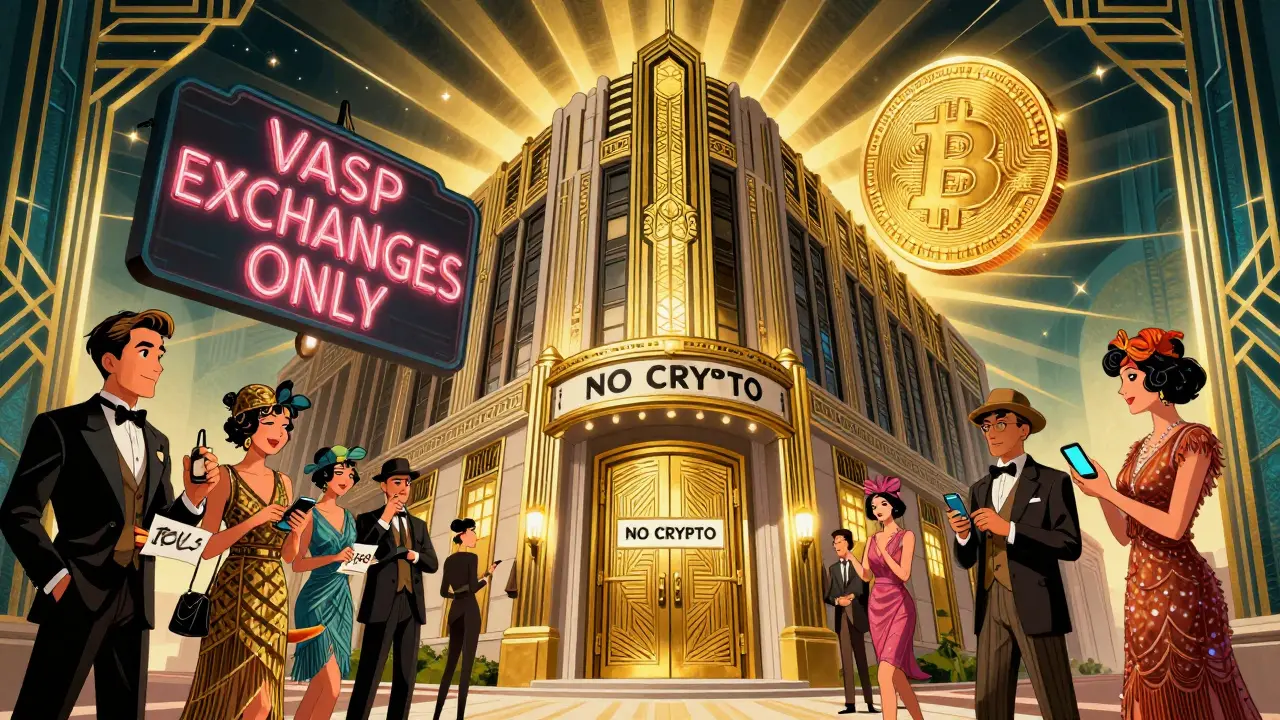
Most people think if you can buy Bitcoin, you can also use your bank account to do it. In Taiwan, that’s not true. Since 2014, local banks have been legally barred from touching cryptocurrency in any way. No deposits. No withdrawals. No credit card payments for crypto. Not even wire transfers. And yet, over two million Taiwanese people still own digital assets. How? Because Taiwan didn’t shut crypto down - it just built a wall between it and the banking system.
Why Taiwan Built a Wall Between Banks and Crypto
Taiwan’s regulators didn’t wake up one day and decide to ban crypto. They watched what happened elsewhere - money laundering, scams, bank collapses tied to volatile coins - and chose a different path. In 2013, the Financial Supervisory Commission (FSC) called Bitcoin a "highly speculative virtual commodity," not money. That label stuck. It meant crypto wasn’t currency, so it didn’t get the same rules as dollars or euros. But it also meant banks didn’t have to handle it. By 2022, the rules got tighter. Credit card companies were told: no more crypto purchases. Same rule as gambling or stock trading. The message was clear: if you want crypto, go through a licensed exchange, not your Visa. The goal? Keep the banking system clean. Prevent criminals from using ATMs or debit cards to move dirty money into Bitcoin. Protect regular people from losing life savings on a coin that could drop 40% in a day.What’s Allowed: The VASP System
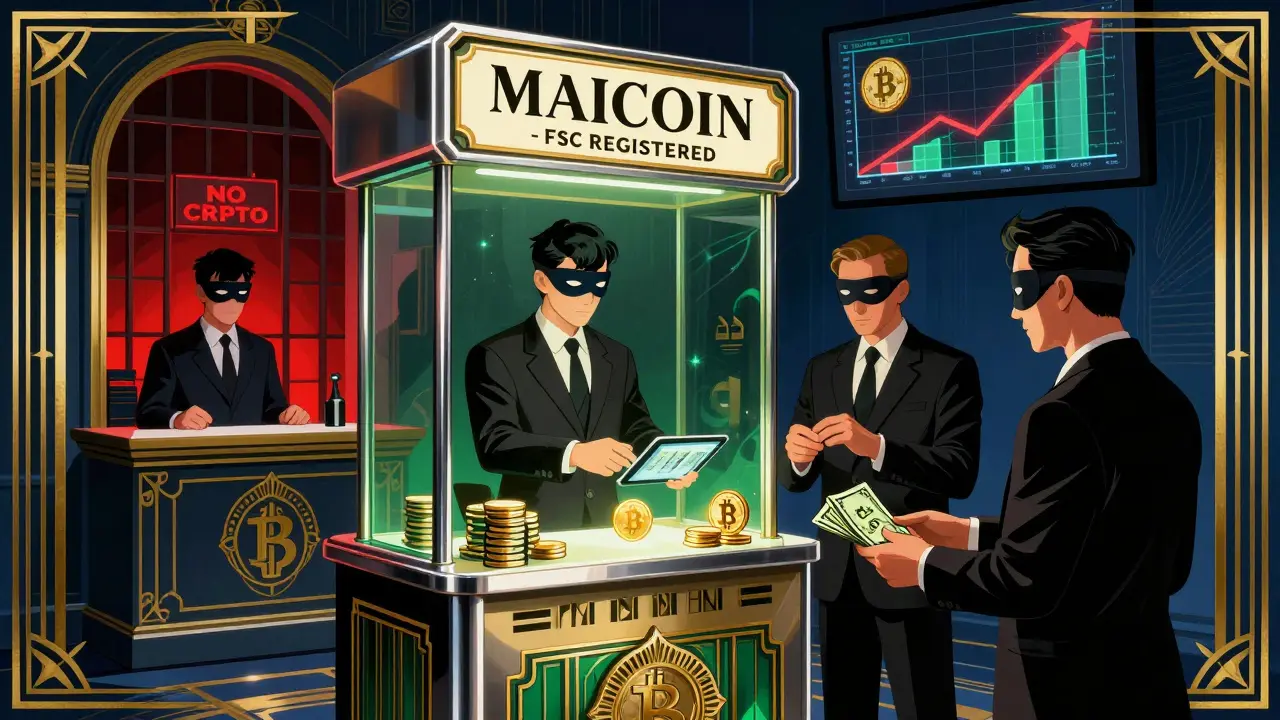
Taiwan didn’t ban crypto. It just moved it outside the banking system. Enter the Virtual Asset Service Provider (VASP) system. Starting January 1, 2025, every crypto exchange, wallet provider, or trading platform operating in Taiwan had to register with the FSC. No registration? Fine up to NT$5 million (about $155,900). Jail time? Possible. Two years max. As of late 2024, only 23 companies made it through. MaiCoin, Taiwan’s biggest local exchange, handles around $70 million in trades every day. It’s even planning to go public on the Taiwan Stock Exchange - the first crypto firm to do so. But here’s the catch: even though MaiCoin is legal, it can’t open a bank account to pay its staff or buy servers. It has to use offshore accounts or find banks willing to take the risk. The FSC also set strict rules for these registered firms: keep customer funds separate from company money, use top-tier cybersecurity, and verify every user’s identity. It’s like running a bank, but without the banking license. That’s why most local exchanges feel clunky. They’re safe, but not smooth.How People Actually Buy Crypto in Taiwan
So if your bank won’t let you send money to Binance or Coinbase, how do you get crypto? Most people use one of three workarounds:- Peer-to-peer (P2P) trading: You meet someone in person or use a platform like Paxful or LocalBitcoins. You pay cash, bank transfer, or even mobile payment apps like Line Pay. They send you Bitcoin. No bank involved.
- International exchanges with VASP registration: Platforms like Binance and Kraken now have local branches registered under Taiwan’s VASP rules. You can deposit NT$ via bank transfer - but only if the exchange is registered. And even then, you can’t withdraw back to your local bank. You get crypto out, but not cash in.
- Third-party payment processors: Some services let you buy crypto using e-wallets like PayPal or Alipay. They act as middlemen, so your bank never sees the crypto link.
The Stablecoin Shift Coming in 2025
Here’s where things might change. The FSC is preparing new rules for stablecoins - digital coins pegged to the New Taiwan Dollar (TWD). Unlike USDT or USDC, these would be issued by licensed financial institutions under strict government control. Think of it like digital cash, but backed by the Central Bank. Draft legislation is due in June 2025. If passed, banks could finally get involved - but only with government-approved stablecoins. That means you might soon be able to transfer TWD-stablecoins from your bank account to a wallet, buy goods with them, or even earn interest. But Bitcoin? Still off-limits. Ethereum? Still blocked from bank transfers. This isn’t a softening of the rules. It’s a new lane. One for safe, regulated digital money. One for everything else - still kept far away from the banking system.Why This Model Works - and Why It Doesn’t
PwC Taiwan says this approach is one of the most effective in Asia. By forcing crypto into a tightly controlled box, Taiwan reduced fraud and money laundering. Crypto firms can operate legally. Users can trade. The banking system stays intact. But the downsides are real. Startups spend 3 to 6 months and NT$2-5 million just to register. Many can’t find banks to handle payroll or vendor payments. Some have moved their operations to Singapore or Hong Kong just to get a bank account. The Taiwan Virtual Asset Service Provider Association, formed in June 2024, tries to help, but it’s like a club without a power outlet. Retail adoption is still growing - 15% more users in 2024 alone. But daily trading volume, at $200 million, is tiny compared to South Korea or Japan. Why? Because friction kills growth. If you can’t easily buy, sell, or cash out, most people won’t bother.
What’s Next? CBDCs and the Future of Money in Taiwan
The Central Bank of Taiwan finished testing a prototype for its own digital currency - a Central Bank Digital Currency (CBDC) - in late 2024. It’s built on the same tech used for digital vouchers given out during pandemic relief. The plan? Launch a pilot in 2025. If the CBDC works, it could change everything. People might use a government app to pay taxes, buy groceries, or send money to family - all with digital TWD. Banks would be central to it. And that’s the key difference: the CBDC isn’t crypto. It’s digital cash, issued and controlled by the state. That’s why experts think Taiwan won’t lift its crypto banking ban anytime soon. Instead, it will keep crypto in its own cage, while slowly building a new, official digital money system outside of it. The goal isn’t to stop crypto. It’s to make sure crypto never becomes the backbone of Taiwan’s financial system.What This Means for You
If you live in Taiwan and want crypto: you can still get it. But you’ll need to jump through hoops. Use registered exchanges. Avoid credit cards. Be ready to use cash or P2P. Understand that your money won’t move the same way it does with stocks or savings. If you’re a developer or startup founder: the rules are clear, but the infrastructure is broken. You can build a legal crypto business. But you’ll need to solve banking problems no one else has. That’s the cost of operating in Taiwan’s unique system. And if you’re watching from outside: Taiwan proves you don’t need to ban crypto to protect your financial system. You just need to draw a line. And then enforce it - even when it’s inconvenient.Can I use my Taiwanese bank account to buy Bitcoin?
No. Taiwanese banks are legally prohibited from handling any cryptocurrency transactions. This includes deposits, withdrawals, wire transfers, and credit card payments for crypto. You must use registered VASPs, peer-to-peer trading, or third-party payment processors to buy Bitcoin or other digital assets.
Are crypto exchanges legal in Taiwan?
Yes - but only if they’re registered with the Financial Supervisory Commission (FSC) as Virtual Asset Service Providers (VASPs). Since January 1, 2025, all crypto exchanges operating in Taiwan must be registered. Unregistered platforms are illegal and face fines up to NT$5 million or criminal charges. As of late 2024, only 23 exchanges have completed registration.
Why can’t crypto companies open bank accounts in Taiwan?
Most Taiwanese banks refuse to work with crypto companies due to regulatory risk and fear of being linked to money laundering. Even registered VASPs struggle to find banks willing to handle payroll, vendor payments, or operational deposits. Many use offshore banks or fintech intermediaries instead. This is a deliberate policy to keep traditional finance separate from crypto.
Will Taiwan ever allow banks to support Bitcoin and Ethereum?
Not anytime soon. The FSC has made it clear that speculative cryptocurrencies like Bitcoin and Ethereum will remain outside the banking system. The only exception is government-backed stablecoins pegged to the New Taiwan Dollar (TWD), which are expected to be legalized in June 2025. Even then, banks will only be allowed to handle those - not Bitcoin or Ethereum.
How many people in Taiwan own cryptocurrency?
As of late 2024, an estimated 2.3 million Taiwanese adults - about 10% of the population - own some form of cryptocurrency. Daily trading volume on registered platforms reaches around $200 million, with Bitcoin and Ethereum making up 65% of all activity. Despite banking restrictions, adoption continues to grow at 15% per year.
What’s the difference between a stablecoin and Bitcoin in Taiwan’s rules?
Bitcoin is classified as a speculative virtual commodity and is completely excluded from the banking system. Stablecoins pegged to the New Taiwan Dollar (TWD) are being treated as a separate category - potentially as digital cash. The FSC plans to allow licensed financial institutions to issue these in 2025, meaning they may eventually be usable through banks. This distinction lets Taiwan control risk while testing digital money.



Shawn Roberts
January 4, 2026 AT 00:59prashant choudhari
January 5, 2026 AT 01:53SUMIT RAI
January 5, 2026 AT 04:49Daniel Verreault
January 6, 2026 AT 18:53dina amanda
January 8, 2026 AT 05:12Jake West
January 9, 2026 AT 23:26Willis Shane
January 11, 2026 AT 06:46Andrea Stewart
January 11, 2026 AT 11:07Emily L
January 11, 2026 AT 14:34Gavin Hill
January 11, 2026 AT 21:15Josh Seeto
January 13, 2026 AT 10:17Jacky Baltes
January 13, 2026 AT 21:17Abhisekh Chakraborty
January 14, 2026 AT 10:54