
On paper, cryptocurrency doesn’t exist in Nepal. The Nepal Rastra Bank (NRB) banned all crypto activity in 2017 - no buying, no selling, no mining, not even holding Bitcoin. Violators face fines, jail time, or both. By 2025, the government had blocked over 200 crypto websites, monitored bank transfers, and even started tracking VPN usage. Yet, in the back rooms of Kathmandu cafes, in encrypted WhatsApp groups, and through eSewa transfers that look like grocery payments, people are still trading crypto - quietly, carefully, and at great risk.
How People Bypass the Ban
The ban didn’t kill crypto trading. It just pushed it underground. The most common way people trade today is through Binance P2P. Instead of using a centralized exchange, traders find someone willing to buy or sell Bitcoin directly. One person sends Nepali rupees via eSewa or a bank transfer. The other sends Bitcoin to a wallet address. No exchange platform is involved - just two people making a deal. It’s harder for authorities to trace because the money moves through normal payment apps, not crypto platforms. To access Binance or other blocked sites, traders use VPNs. These tools hide your real location and make it look like you’re browsing from India, the U.S., or anywhere else. The Nepal Telecommunication Authority (NTA) has tried to block popular VPN services, but new ones pop up constantly. Many traders use free apps like ProtonVPN or paid ones like NordVPN, often switching between them to stay ahead of blocks. Telegram and WhatsApp are the real backbone of this underground network. Groups with names like "Crypto Nepal Safe" or "P2P Buyers Only" have thousands of members. Traders post rates, share wallet addresses, and warn each other about police raids. Some groups require an invite code or a small deposit to join - just to keep out undercover agents.The Real Motivation: Remittances and Investment
Why risk jail for crypto? The answer is simple: money. Nepal receives over $9 billion in remittances every year - mostly from workers in Malaysia, Qatar, and the UAE. Sending that money home through banks takes days and costs 5-8% in fees. With crypto, someone abroad can send Bitcoin directly to a relative’s wallet. The relative sells it for rupees via P2P, often for less than 1% in fees. It’s faster, cheaper, and invisible to banks. For others, crypto is the only way to invest beyond Nepal’s stagnant stock market. Interest rates on savings accounts hover around 7%. Meanwhile, Bitcoin rose over 150% in 2024. People who heard about it from friends or YouTube videos don’t care about the ban - they care about growing their money. A 23-year-old student in Pokhara told a local journalist in late 2025 that he bought his first $50 of Bitcoin using his part-time job earnings. "I know it’s illegal," he said. "But if I don’t do it, I’ll never get ahead."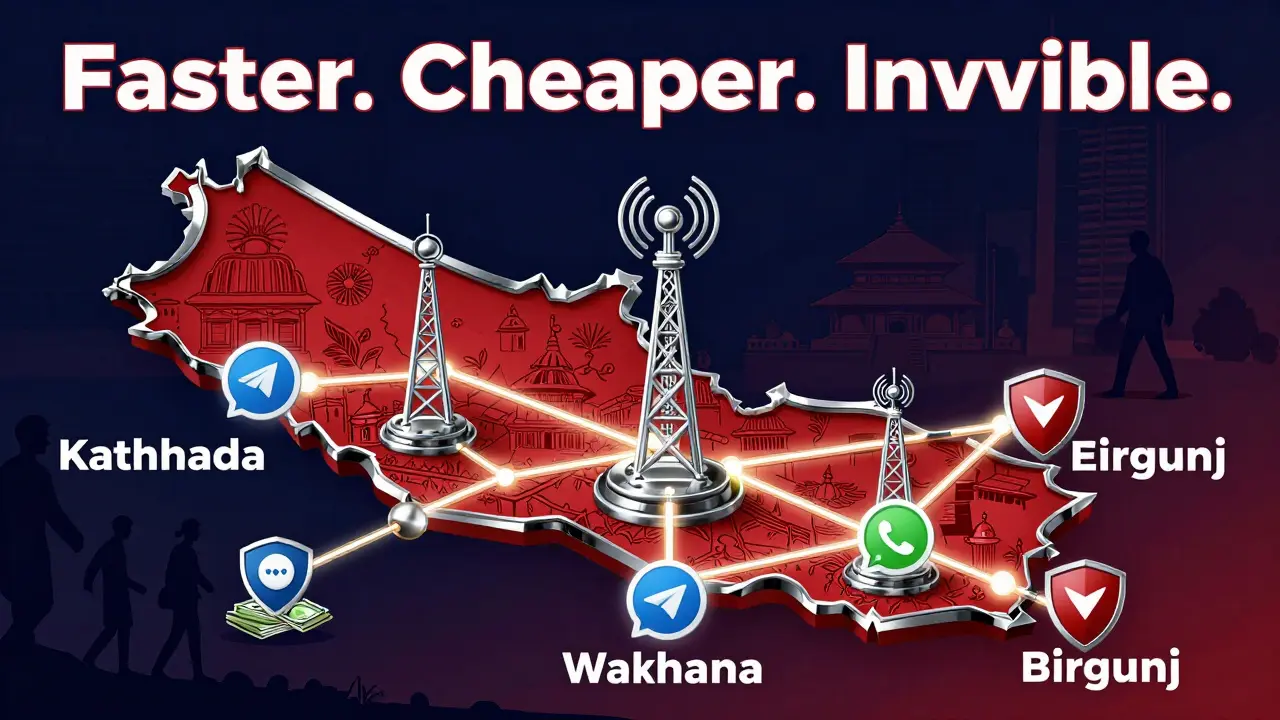
How the Government Is Fighting Back
The NRB doesn’t just issue warnings - they arrest people. In July 2025, the Central Investigation Bureau (CIB) raided a grocery store in Lalitpur. The owner, Rupesh Kumar Gupta, was running a crypto exchange under the name Rajatirtha Traders. Police found over Rs 1.5 billion in crypto transactions traced through bank records and CCTV footage. Gupta and his assistant were arrested under Nepal’s Criminal Code 2074 for illegal hundi (informal money transfer) and unauthorized virtual currency use. Since then, the crackdown has expanded. Authorities now monitor bank accounts for unusual patterns - like someone depositing Rs 50,000 every Monday and withdrawing the same amount in cash on Tuesday. They track IP addresses linked to blocked crypto sites. Even using a VPN to access Binance can now be considered a crime. The government’s logic is clear: if you can’t stop crypto, stop the tools that make it possible. But this has backfired. People aren’t quitting - they’re getting smarter. Many now use burner phones, fake IDs, and cash-only P2P trades. Some even meet in person in public parks to swap cash for crypto wallets.The Human Cost of Going Underground
This isn’t just a technical problem. It’s a psychological one. Traders live in constant fear. One wrong message, one unsecured wallet, one suspicious bank transfer - and everything can collapse. A 28-year-old trader from Birgunj was arrested in 2022 after his friend, who he’d traded with for months, got caught. The police traced the transaction through a shared phone number. He spent six months in jail before being released on bail. He lost his job. His family moved away. Stories like this are common, but rarely reported. The underground network doesn’t talk to journalists. People don’t want attention. But inside encrypted groups, there’s a quiet sense of resignation: "We know the law. We know the risk. But we have no other choice."
Why Nepal’s Ban Is Out of Step
Nepal is one of the only countries in Asia that still bans crypto outright. India, which shares cultural and economic ties with Nepal, has moved toward regulation. Sri Lanka allows crypto trading with licensing. Even Bhutan, a smaller, more conservative neighbor, is testing a national blockchain project. Meanwhile, Nepal’s ban has created a dangerous black market. There’s no consumer protection. No dispute resolution. No way to recover stolen funds. People lose money to scams every week. In 2024, a fake crypto investment scheme called "NepalCoin" tricked over 300 people into sending Rs 200 million - then vanished. No one was ever caught. The ban also hurts Nepal’s tech economy. Young developers who want to build blockchain tools or crypto apps leave for India or Dubai. Startups that could create jobs are forced to operate offshore. The government claims it’s protecting financial stability. But the real result? It’s driving talent and money out of the country - and into the shadows.What’s Next?
As of early 2026, there are no signs the NRB plans to change its stance. The bank still calls crypto a "threat to national security." But enforcement is becoming more expensive. Police need more tech experts. Courts are backlogged with crypto cases. And the number of people trading keeps growing. Experts say the only way forward is regulation - not prohibition. A system that licenses exchanges, requires KYC, and taxes gains could bring crypto into the light. It could protect users, generate revenue, and stop the flow of money to criminals. But until then, the underground will keep running - powered by desperation, technology, and the simple belief that money should move freely.For now, if you’re in Nepal and you want to trade crypto, you’ll find a way. You’ll use a VPN. You’ll find a trader on Telegram. You’ll send money through eSewa. And you’ll hope - just hope - that no one’s watching.
Is it illegal to own Bitcoin in Nepal?
Yes. Under Nepal Rastra Bank’s 2017 circular, owning, trading, mining, or accepting Bitcoin or any other cryptocurrency is illegal. Violations can lead to fines, imprisonment, or both under Nepal’s Cybercrime Act and Foreign Exchange Regulation Act. Even holding crypto in a wallet counts as possession and is punishable by law.
Can I use Binance in Nepal legally?
No. Binance and all other foreign cryptocurrency exchanges are blocked by the Nepal Telecommunication Authority. Accessing them via VPN or other tools is also considered illegal under NRB’s 2025 guidelines. While many Nepalis still use Binance P2P, doing so puts them at risk of arrest, bank account freezes, or prosecution.
What happens if I get caught trading crypto in Nepal?
If caught, you could face criminal charges under Nepal’s Criminal Code 2074. Penalties include fines up to Rs 500,000, imprisonment for up to five years, or both. Authorities have also seized bank accounts, phones, and computers during raids. In high-profile cases like the 2025 Lalitpur arrest, individuals have been charged with illegal hundi and unauthorized virtual currency use - both serious offenses.
How do police track crypto traders in Nepal?
Police use multiple methods: monitoring bank transactions for suspicious patterns, tracking IP addresses linked to blocked crypto sites, analyzing WhatsApp and Telegram messages, and conducting digital raids on homes and businesses. They also collaborate with anti-money laundering units to trace funds. Even small, repeated transfers can trigger alerts if they match known crypto trading behavior.
Are there any legal alternatives to crypto for remittances in Nepal?
Yes. Traditional remittance services like Western Union, MoneyGram, and local providers like eSewa and IME Pay are legal and widely used. However, they charge higher fees (5-8%) and take longer (1-3 days). Crypto is faster and cheaper, which is why people risk using it despite the ban. No legal alternative currently matches crypto’s speed and low cost for cross-border transfers.
Will Nepal ever legalize cryptocurrency?
As of 2026, there are no official plans to legalize crypto. The Nepal Rastra Bank remains firmly opposed, citing risks to monetary control and financial stability. However, growing public demand, regional shifts in policy, and the failure of enforcement to stop trading are putting pressure on officials. Legal experts say regulation - not prohibition - is the only sustainable path forward, but any change is years away, if it happens at all.


Edward Drawde
February 2, 2026 AT 21:54Gurpreet Singh
February 4, 2026 AT 14:58Will Pimblett
February 5, 2026 AT 14:03Parth Makwana
February 7, 2026 AT 05:59Elle M
February 8, 2026 AT 15:14Rico Romano
February 9, 2026 AT 15:24Crystal Underwood
February 10, 2026 AT 11:30Raymond Pute
February 10, 2026 AT 14:26Jack Petty
February 11, 2026 AT 14:52Meenal Sharma
February 12, 2026 AT 18:09Tressie Trezza
February 14, 2026 AT 06:57Wayne mutunga
February 14, 2026 AT 07:44Gareth Fitzjohn
February 15, 2026 AT 14:36Dylan Morrison
February 16, 2026 AT 20:21