Imagine trying to buy a cup of coffee with Bitcoin in Tunis. You can’t. Not legally. In fact, just holding the private keys to a wallet could land you in serious trouble under current Tunisian law. Since May 2018, the Central Bank of Tunisia (BCT) has enforced a comprehensive ban on all cryptocurrency transactions. Yet, if you walk through the tech hubs of Tunis or Sousse, you’ll find that crypto isn’t dead-it’s just gone underground.
This shadow economy is thriving. It’s a complex web of peer-to-peer trades, VPN usage, and cash handshakes that bypasses state controls. For many Tunisians, especially the younger, tech-savvy generation, crypto represents financial freedom. For the government, it represents a threat to monetary sovereignty and Islamic finance principles. The result? A high-stakes game of cat and mouse where traders risk imprisonment for access to global markets.
How the Underground Market Actually Works
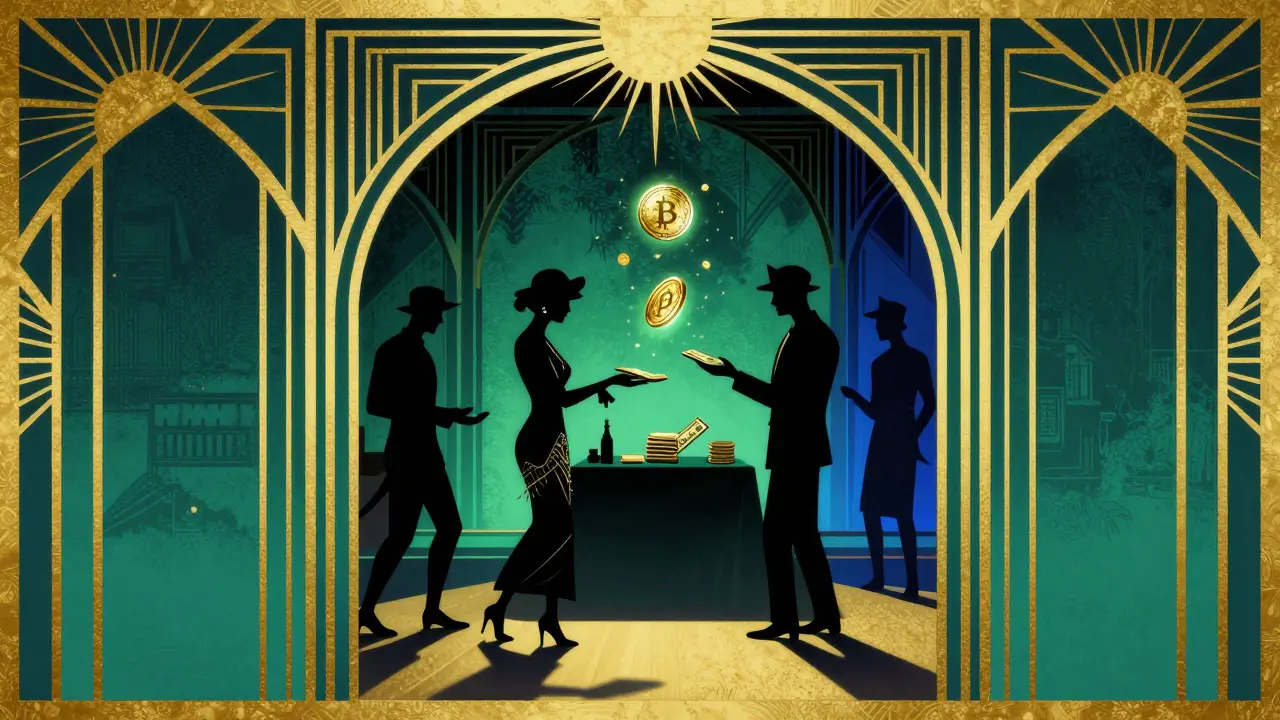
You might wonder how anyone trades when banks block crypto-related withdrawals and exchanges are banned. The answer lies in decentralization. There are no licensed cryptocurrency exchanges operating within Tunisia’s borders. Instead, the entire ecosystem relies on peer-to-peer (P2P) platforms.
As of mid-2025, Binance P2P and formerly LocalBitcoins serve as the dominant channels. These platforms don’t hold your funds; they act as escrow services connecting buyers and sellers directly. Here is how a typical transaction unfolds:
- The Connection: A seller posts an offer to sell USDT or Bitcoin for Tunisian Dinars (TND). The payment method is often listed as "Cash" or generic bank transfer, avoiding keywords like "crypto" that trigger bank filters.
- The Negotiation: Buyers and sellers chat via the platform’s encrypted messaging. They agree on a rate, which usually includes a premium due to the scarcity and risk.
- The Transfer: The buyer transfers TND to the seller’s personal bank account or hands over cash in person. Crucially, this transfer looks like a normal peer-to-peer money transfer, not a commercial crypto purchase.
- The Release: Once the seller confirms receipt, the platform releases the crypto from escrow to the buyer’s wallet.
Bitcoin, Ethereum, and USDT (Tether) remain the most popular assets. USDT is particularly favored because it acts as a stable store of value against the fluctuating dinar, allowing users to preserve purchasing power without the volatility of Bitcoin.
Circumventing Digital Borders
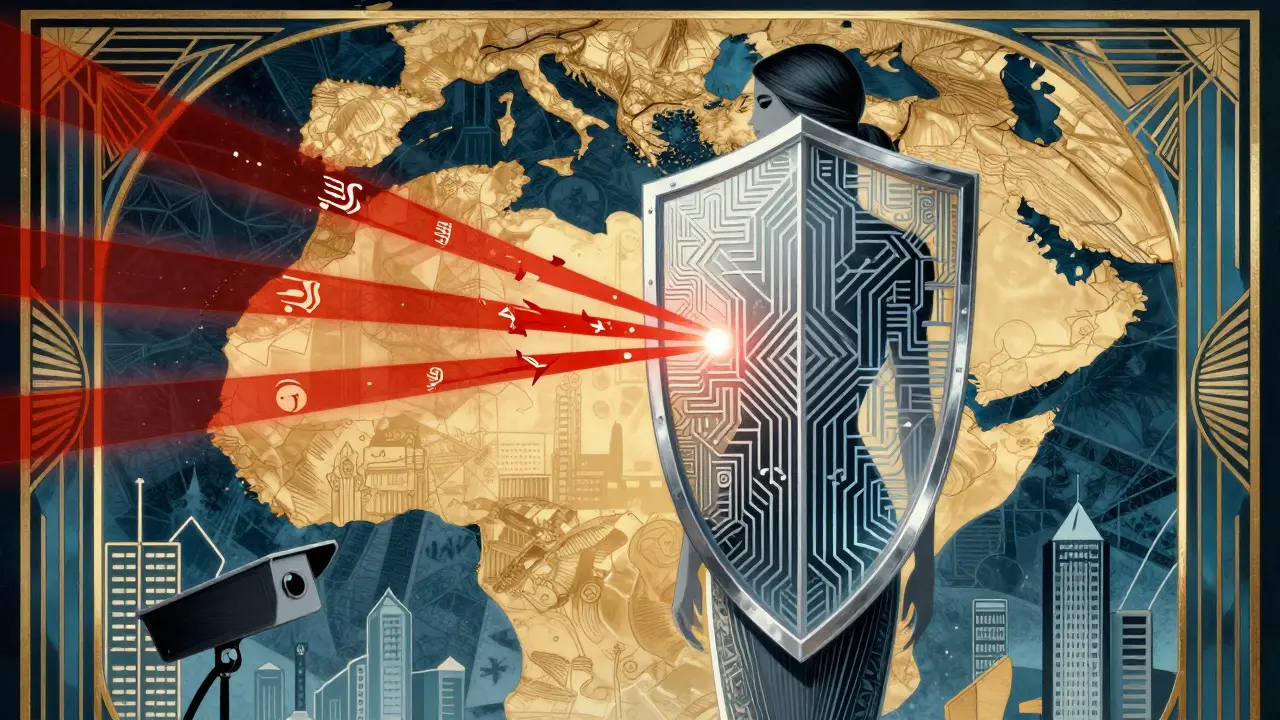
The Tunisian government actively monitors internet traffic, targeting known crypto-related websites. To operate, traders must first become invisible to these filters. This is where Virtual Private Networks (VPNs) come into play.
Systematic use of high-quality VPN services is standard practice. Traders route their connections through servers in Europe or Asia to mask their IP addresses and bypass local blocks on exchange domains. However, this adds a layer of technical complexity. If a trader forgets to activate their VPN, or if the connection drops during a transaction, their activity becomes visible to local ISPs, potentially flagging them for investigation.
Beyond domestic P2P, some sophisticated traders use international centralized exchanges like KuCoin, OKX, or Gate.io. These platforms offer advanced trading tools and lower fees than P2P spreads. But here is the catch: depositing fiat currency onto these sites from a Tunisian bank account is nearly impossible due to strict banking compliance rules. Most users fund these accounts using other cryptocurrencies transferred from cold storage, creating a closed loop that avoids the traditional banking system entirely.
The Banking Blockade and Cash Workarounds
The biggest bottleneck in the Tunisian crypto underground is the conversion back to fiat. Tunisian banks are under strict orders to enforce Anti-Money Laundering (AML) and Know Your Customer (KYC) regulations. Any transaction flagged as crypto-related results in immediate account freezes.
To survive, traders have developed creative workarounds:
- Cash-Only Deals: Many high-value trades happen face-to-face in public places like cafes or malls. No digital trail means no bank alerts.
- Third-Party Accounts: Some traders use family members’ bank accounts who are unaware of the source of funds, though this carries immense legal and ethical risk.
- Barter Systems: In extreme cases, crypto is exchanged directly for goods-electronics, cars, or real estate-bypassing currency conversion altogether.
These methods are inefficient and risky. They limit the volume of trade and push prices higher, as sellers demand a premium for the inconvenience and danger of handling cash or navigating opaque banking channels.
Legal Risks: More Than Just a Fine
Let’s be clear: this is not a regulatory gray area. Cryptocurrency is completely illegal for public use in Tunisia. The legal framework categorizes trading as a criminal offense, not a civil violation.
The consequences are severe. In 2021, a teenager was jailed for operating an informal crypto exchange. This case sent shockwaves through the community and prompted cabinet-level discussions about decriminalization, but enforcement remains strict. Bank monitoring systems automatically flag suspicious patterns. If your account shows frequent, small transfers to multiple individuals followed by large withdrawals, you will likely be investigated by the Tunisian Financial Analysis Committee (CTAF).
Companies operating in the financial sector must adhere to rigorous Compliance requirements, including Enhanced Due Diligence (EDD) for high-risk clients. While these rules apply to formal businesses, the spirit of the law extends to individual traders. Possession alone can lead to asset seizure, fines, and potential imprisonment, depending on the scale of operations and whether money laundering charges are added.
The Paradox of State Innovation
There is a glaring contradiction in Tunisia’s approach. While citizens are prosecuted for using Bitcoin, the state is heavily invested in blockchain technology. The national postal service, Poste Tunisienne, has been working on blockchain-based payment systems. Meanwhile, the Central Bank is researching Central Bank Digital Currencies (CBDC).
Why the double standard? The government wants the efficiency and transparency of blockchain without the decentralization and loss of control that cryptocurrencies represent. CBDCs allow the state to track every transaction, whereas Bitcoin does not. This creates a unique environment where local tech firms explore DeFi and NFT projects cautiously, focusing on applications like supply chain management or secure voting systems that don’t directly challenge monetary policy.
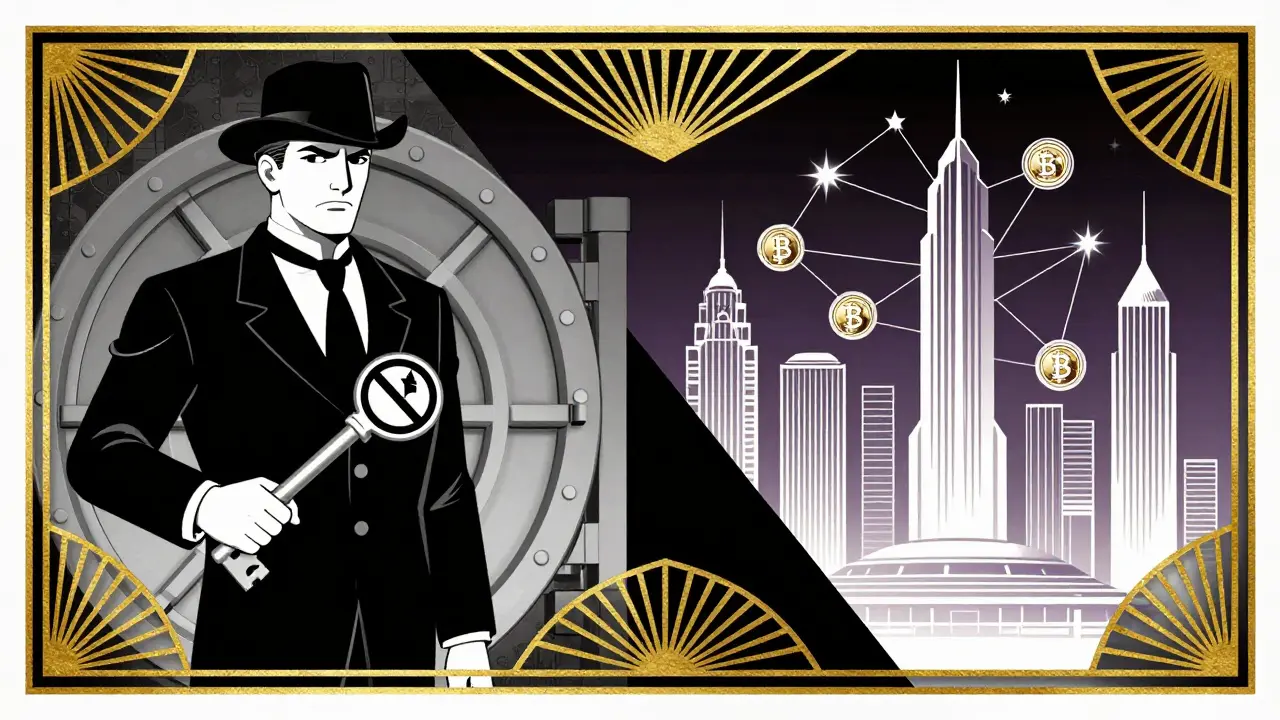
Brain Drain and Economic Impact
The prohibition hasn’t stopped innovation; it has exported it. Tunisia has seen a significant brain drain, with entrepreneurs and developers migrating to crypto-friendly jurisdictions like Canada, Switzerland, or Dubai. These countries offer legal frameworks that protect investors and promote technological advancement.
When talented developers leave, Tunisia loses out on high-tech contributions, tax revenue, and job creation. The underground market deprives the state of oversight capabilities and potential taxation, while simultaneously fostering a culture of distrust toward financial institutions. Some residents adapt by focusing on non-crypto blockchain applications, but the core desire for financial autonomy remains unmet.
Future Outlook: Is Change Coming?
As of July 2026, there are signs of shifting tides. Parliamentary committees are considering a draft bill to decriminalize cryptocurrency possession and create a licensing regime. This would move Tunisia from a total prohibition model to a regulated one, similar to approaches seen in parts of Europe.
The Central Bank has shown cautious progress by exploring fintech licenses. Recent discussions suggest that peer-to-peer trading might eventually be regulated rather than banned. However, the timeline is uncertain. Until legislation passes, the underground market remains the only option. Traders should prepare for two scenarios:
- Continued Prohibition: Maintain strict operational security, use reputable P2P platforms, and avoid large fiat conversions.
- Regulatory Shift: Keep records of all transactions clean and verifiable, as future compliance may require proof of legitimate income sources.
Is it illegal to own Bitcoin in Tunisia?
Yes. Under the current framework enforced by the Central Bank of Tunisia since 2018, owning, trading, or mining cryptocurrency is considered illegal. It is not merely unregulated; it is prohibited, carrying risks of fines, asset seizure, and imprisonment.
Can I use Binance in Tunisia?
You cannot use Binance officially as a licensed entity. However, many Tunisians use Binance P2P via VPNs to trade with other individuals. This is technically illegal and carries significant risk if detected by authorities or banks.
How do Tunisians convert crypto to Tunisian Dinars?
Most conversions happen through peer-to-peer cash deals or discreet bank transfers between individuals. Banks block direct crypto withdrawals, so traders rely on informal networks and face-to-face exchanges to avoid triggering anti-money laundering flags.
Will Tunisia legalize crypto soon?
There are ongoing parliamentary discussions about decriminalizing possession and creating a licensing regime. However, as of mid-2026, no law has passed. The government remains cautious, balancing pressure from the tech community with concerns over financial stability and Islamic finance rules.
What are the penalties for crypto trading?
Penalties can include heavy fines, confiscation of assets, and imprisonment. Cases vary, but operating an exchange or facilitating large-scale trades increases the likelihood of severe criminal prosecution, including charges related to money laundering.