Ever wondered what happens when a cryptocurrency project decides to ignore traditional marketing rules entirely? That’s essentially the bet behind neversol, a meme-based cryptocurrency token built on the Solana blockchain that launched in early 2024. If you’ve been scrolling through your feed and seeing the ticker NEVER pop up with a price tag of fractions of a cent, you might be asking: Is this the next big thing, or just another fleeting internet joke?
The answer isn’t straightforward. neversol positions itself as a "groundbreaking meme coin" with an "anti-marketing stance." Its core mantra-"Never say $never and never sell never"-is less about technical innovation and more about philosophical defiance. But for investors and curious observers, understanding the mechanics behind the hype is crucial. This article breaks down exactly what neversol is, how it works on Solana, and whether its community-driven model has any real staying power in a market dominated by giants like Dogwifhat and Bonk.
Quick Summary / Key Takeaways
- Identity: neversol (NEVER) is a micro-cap meme coin on the Solana network, launched via an IEO on Gate.io in March 2024.
- Philosophy: It adopts an "anti-marketing" approach, prioritizing community independence over aggressive social media promotion.
- Tokenomics: Features a max supply of ~100 billion tokens, no team-held tokens, and weekly reward distributions.
- Risk Profile: Extremely high risk due to low liquidity, minimal trading volume, and lack of public technical documentation.
- Market Position: Currently ranks among the lower-tier cryptocurrencies (approx. #3300), significantly smaller than major Solana memes.
The Origin Story: From IEO to Micro-Cap Status
neversol didn’t start with a massive venture capital round or a celebrity endorsement. Instead, it emerged from an Initial Exchange Offering (IEO) on Gate.io between March 9 and 10, 2024. The sale price was set at $0.00014 per token, raising approximately $120,000 USDT. For context, that’s a tiny fraction of what many modern crypto projects raise during their launch phases.
This limited initial capitalization shapes the entire narrative of the project. Unlike projects backed by millions in funding that can afford expensive marketing campaigns, neversol had to rely on organic growth. This scarcity of resources birthed its unique identity. The project explicitly states it aims to "bring the power of memes to the Solana network," leveraging Solana’s high speed and low transaction costs to facilitate rapid community interactions.
As of late 2025, the token trades at roughly $0.00006577, representing a decline from its launch price. While some might see this drop as a failure, proponents argue it reflects the natural volatility of meme assets before they find their true floor-or disappear entirely.
How NEVER Works on the Solana Blockchain
To understand neversol, you first need to understand its home base: Solana. Solana is a high-performance blockchain known for its ability to handle thousands of transactions per second with negligible fees. This infrastructure is critical for meme coins because users expect instant gratification. If sending a token takes ten minutes and costs five dollars, the meme appeal vanishes.
NEVER utilizes Solana’s ecosystem features to offer several utilities beyond simple speculation:
- Meme-Inspired NFTs: The project integrates non-fungible tokens directly tied to its branding, allowing holders to engage with digital collectibles.
- Staking Capabilities: Holders can stake their NEVER tokens to earn rewards, adding a layer of passive income potential.
- Liquidity Pools: Like most decentralized finance (DeFi) tokens, NEVER relies on liquidity pools to ensure buyers and sellers can transact without massive slippage.
- Cross-Platform Compatibility: The token is designed to interact with various wallets and exchanges supporting the SPL token standard.
However, relying on Solana comes with inherited risks. The network has experienced occasional congestion issues, including notable outages in Q3 2025. When the mainnet slows down, even the most enthusiastic meme coin community can face frustration if transactions hang or fail.
Tokenomics: Scarcity, Burns, and Community Rewards
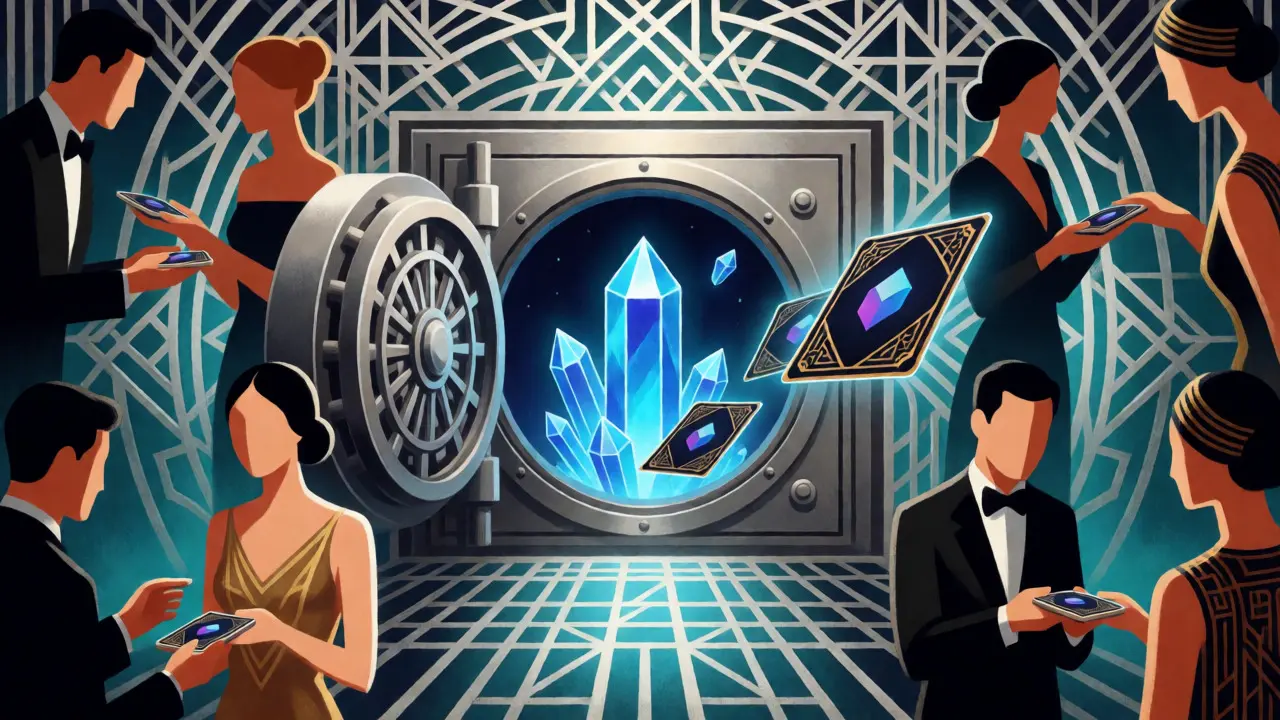
One of the most distinct aspects of neversol is its token distribution model. Most new crypto projects reserve a significant chunk of supply for the founding team, advisors, and early investors. These groups often dump their tokens once lock-up periods end, crashing the price. neversol claims to have no team-held tokens. This means the initial supply was distributed entirely to the public via the IEO and subsequent market activities.
The maximum total supply is capped at approximately 99,988,942,273 NEVER tokens. As of recent data, the circulating supply hovers around 72-79 billion, depending on the reporting source (CoinGecko vs. CoinMarketCap). The discrepancy usually stems from different calculation methods regarding burned tokens or unvested allocations.
To combat inflation and maintain value, the project employs regular token burning mechanisms. Burning involves permanently removing tokens from circulation, theoretically increasing scarcity. Additionally, the protocol distributes weekly rewards to holders. This creates a feedback loop: holding the token earns you more tokens, which incentivizes long-term retention rather than quick flips.
| Feature | neversol (NEVER) | Dogwifhat (WIF) | Bonk (BONK) |
|---|---|---|---|
| Market Cap (Approx.) | $40K - $54K | >$1.5 Billion | >$1 Billion |
| Launch Year | 2024 | 2023 | 2022 |
| Marketing Strategy | Anti-Marketing / Organic | Viral Social Media | Airdrop Driven |
| Team Holdings | None (Public Distribution) | Minor | Significant Early Allocations |
| Primary Utility | Community Governance / Staking | Speculation / Branding | DeFi Ecosystem Integration |
The Anti-Marketing Philosophy: Why It Matters
In the crypto world, noise equals attention. Projects spend millions on influencers, Twitter ads, and Telegram bots to pump their narratives. neversol flips this script. Its "anti-marketing stance" encourages independence and critical thinking. The idea is that if the product is good enough, the community will spread the word organically without being paid to do so.
This approach fosters a specific type of community culture. Instead of shilling (promoting aggressively) to drive price action, members are empowered to question norms. The phrase "Never sell never" serves as both a motivational slogan and a strategic hold signal. It suggests resilience against market downturns and a refusal to capitulate to short-term pressures.
Does this work? The data shows mixed results. With only about 15,790 unique wallet addresses holding the token as of late 2024, the community is small but dedicated. However, small communities can be fragile. If the core group loses interest, there’s no massive advertising budget to bring in fresh blood.
Investment Risks and Market Realities
If you’re considering buying NEVER, you need to look past the philosophy and examine the hard numbers. The primary red flag here is liquidity. Some trackers report a volume-to-market-cap ratio of nearly zero, while others show modest daily volumes around $85,000. Regardless of the exact figure, this is extremely thin compared to major assets.
Low liquidity means two things:
- High Volatility: A single large buy or sell order can swing the price by double digits.
- Exit Difficulty: You might struggle to sell a large position without crashing the price yourself.
Furthermore, there is a lack of transparency regarding development activity. Unlike open-source projects with active GitHub repositories, neversol’s codebase and roadmap are not publicly detailed in mainstream developer hubs. This opacity makes it hard to verify if the team is actively building new features or simply maintaining the status quo.
Security is another concern. There is no widely cited evidence of comprehensive smart contract audits for the NEVER token. In the meme coin space, unaudited contracts are common, but they carry the risk of hidden vulnerabilities or malicious code.

Future Outlook: Niche Survivor or Forgotten Token?
Predicting the future of a micro-cap meme coin is akin to predicting weather patterns on Mars. Analyst forecasts vary wildly. Some platforms suggest the price could drift downward to $0.000037, reflecting continued bearish sentiment. Others remain silent, indicating a lack of sufficient data to make reliable predictions.
For neversol to survive long-term, it needs to transition from a pure meme to a functional community asset. The integration of staking and NFTs is a step in that direction, but adoption remains low. The broader Solana ecosystem is growing, valued at over $25 billion in late 2025, but neversol holds a minuscule share of that pie-roughly 0.0002%.
Ultimately, investing in NEVER is a gamble on community cohesion. If the "anti-marketing" experiment succeeds, it could prove that organic growth beats paid hype. If it fails, it becomes another casualty of the crowded meme coin graveyard.
Frequently Asked Questions
Is neversol (NEVER) a good investment?
neversol is considered a high-risk, speculative investment. Due to its micro-cap status, low trading volume, and lack of public technical documentation, it carries significant volatility risk. It may offer high percentage returns if the community grows, but the probability of losing principal capital is also high.
Where can I buy NEVER tokens?
The primary exchange listed for neversol is Gate.io, where the Initial Exchange Offering (IEO) took place. Depending on current listings, it may also be available on decentralized exchanges (DEXs) within the Solana ecosystem, such as Raydium or Jupiter, though liquidity there may be limited.
What does "anti-marketing" mean for neversol?
neversol's anti-marketing stance means the project avoids traditional paid advertising and influencer promotions. Instead, it relies on organic community engagement and user-generated content to spread awareness, encouraging holders to think critically rather than following herd mentality.
Does neversol have a utility beyond being a meme?
Yes, the project outlines several utilities, including staking capabilities for earning rewards, participation in a dynamic NFT marketplace, and governance rights within the community. However, actual adoption of these features appears limited compared to larger projects.
Is the neversol smart contract audited?
As of late 2025, there is no widely recognized public record of a comprehensive third-party audit for the neversol smart contract. Investors should exercise caution and check for any recent security reports directly from the project's official channels.
Next Steps for Potential Investors
If you’re intrigued by the underdog story of neversol, don’t just buy blindly. Start by checking the live trading volume on multiple aggregators like CoinGecko and LiveCoinWatch to gauge real-time liquidity. Join their community channels-not to listen to shills, but to observe the tone of conversation. Are people discussing the technology and governance, or just price charts?
Consider allocating only a small, disposable portion of your portfolio to NEVER. Treat it as an experiment in community-driven economics rather than a stable store of value. Keep an eye on Solana network health, as congestion can disproportionately affect low-volume tokens. And remember, in the world of meme coins, the only constant is change.