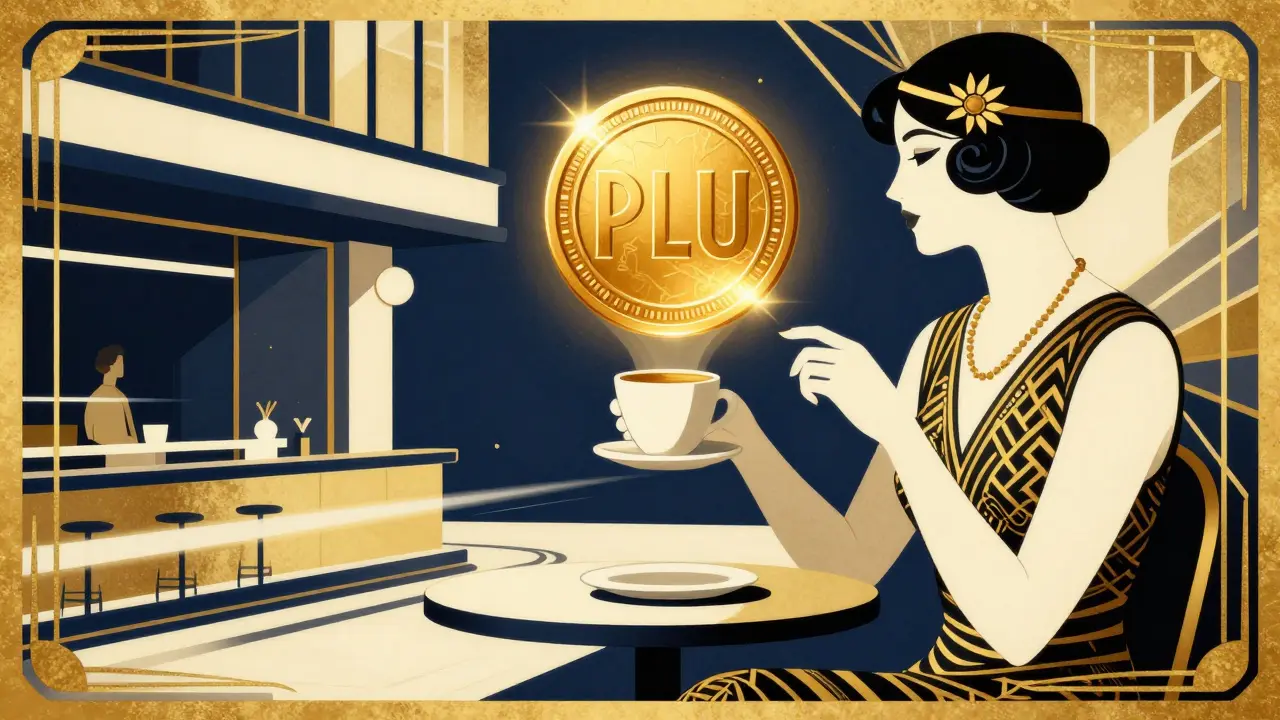
Ever wish your daily coffee or grocery run could actually earn you a piece of the digital gold rush? That's the core idea behind Pluton is a decentralized loyalty rewards token designed specifically for the Plutus payment ecosystem. Also known as PLU, this token acts like a digital version of frequent flier miles or credit card cash back, but instead of points from a bank, you earn a cryptocurrency that you can actually spend.
If you've ever felt that Bitcoin is too volatile or slow for a quick trip to the store, the Pluton PLU crypto system attempts to solve that friction. It bridges the gap between holding long-term assets and spending them in the real world without the headache of high conversion fees.
How Pluton Actually Works
To understand PLU, you first have to understand Plutus, which is a decentralized payment application that lets users pay merchants using crypto via a mobile app. When you load this app with Bitcoin or Ether and pay a merchant using contactless technology, the system doesn't just process the payment-it gives you a reward.
Here is the cycle of how the reward system functions:
- You deposit cryptocurrency (like Bitcoin) into the Plutus app for purchases.
- The system grants you a 3% rebate in the form of PLU tokens.
- These tokens are then usable within the ecosystem for future contactless payments.
- Transactions made with PLU inside the app happen with zero conversion fees and instant processing.
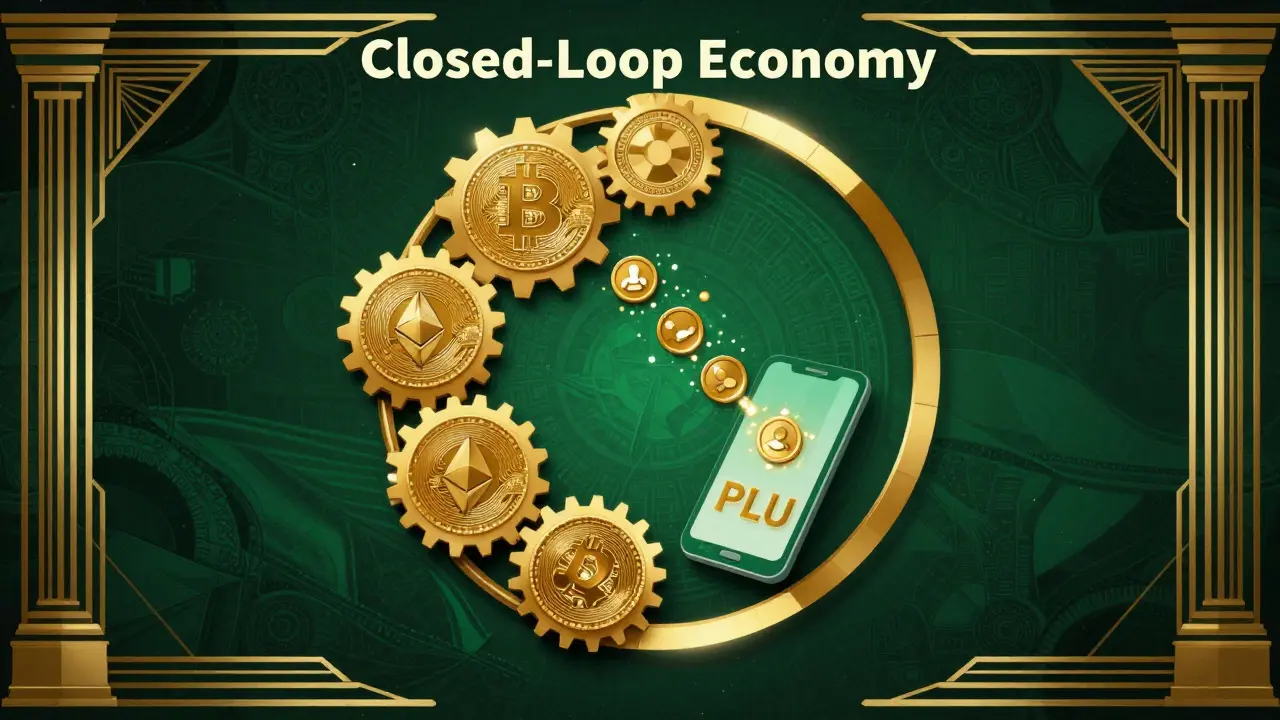
Essentially, it creates a closed-loop economy. The more you spend using the platform, the more PLU you accumulate, which in turn lowers the cost of your future purchases. It's a clever way to incentivize people to move their crypto from a cold wallet into an active spending account.
The Technical Side: ERC-20 and Ethereum
Under the hood, Pluton is an ERC-20 token, meaning it is built on the Ethereum blockchain. This is a huge advantage because it means you don't need a specialized, proprietary blockchain to hold your tokens. You can store PLU in any standard Ethereum-compatible wallet.
When looking at the numbers, the supply dynamics are quite specific. The maximum supply is capped at 20,000,000 PLU. Interestingly, a massive portion of the supply-reportedly around 95.75%-is locked in a rebate smart contract pool. This means Plutus.it doesn't actually own most of the tokens; they are reserved to be distributed to users as they earn rewards. This structure is designed to prevent the company from simply dumping tokens on the market, though it does mean the token's value is heavily tied to how many people actually use the app.
| Attribute | Value / Detail |
|---|---|
| Blockchain Standard | ERC-20 (Ethereum) |
| Maximum Supply | 20,000,000 PLU |
| Reward Rate | 3% Rebate on BTC deposits |
| Primary Utility | Loyalty rewards and zero-fee payments |
| Launch Date | September 4, 2016 |
PLU vs. Other Cryptocurrencies
It's easy to confuse PLU with something like Bitcoin or Ethereum, but they serve completely different purposes. While Bitcoin is often viewed as "digital gold" (a store of value) and Ethereum as a "world computer" (for smart contracts), PLU is a utility token. Its value isn't derived from global adoption as a currency, but from the specific utility it provides within the Plutus app.
If the Plutus app gains a million new users, the demand for PLU likely goes up because more people want those zero-fee transactions. However, if the app loses popularity, the token has very little use outside that ecosystem. This is the classic trade-off of "ecosystem tokens": high potential reward if the platform wins, but high risk if the platform fails.
Where to Buy and How to Store PLU
If you're looking to get your hands on some PLU, you'll typically find it on exchanges. Coinbase Exchange has been a primary hub for PLU/USD trading, though you can also find it on KuCoin and Uniswap V3. Because it's an Ethereum token, you have plenty of options for storage.
Depending on your risk tolerance, you can choose between:
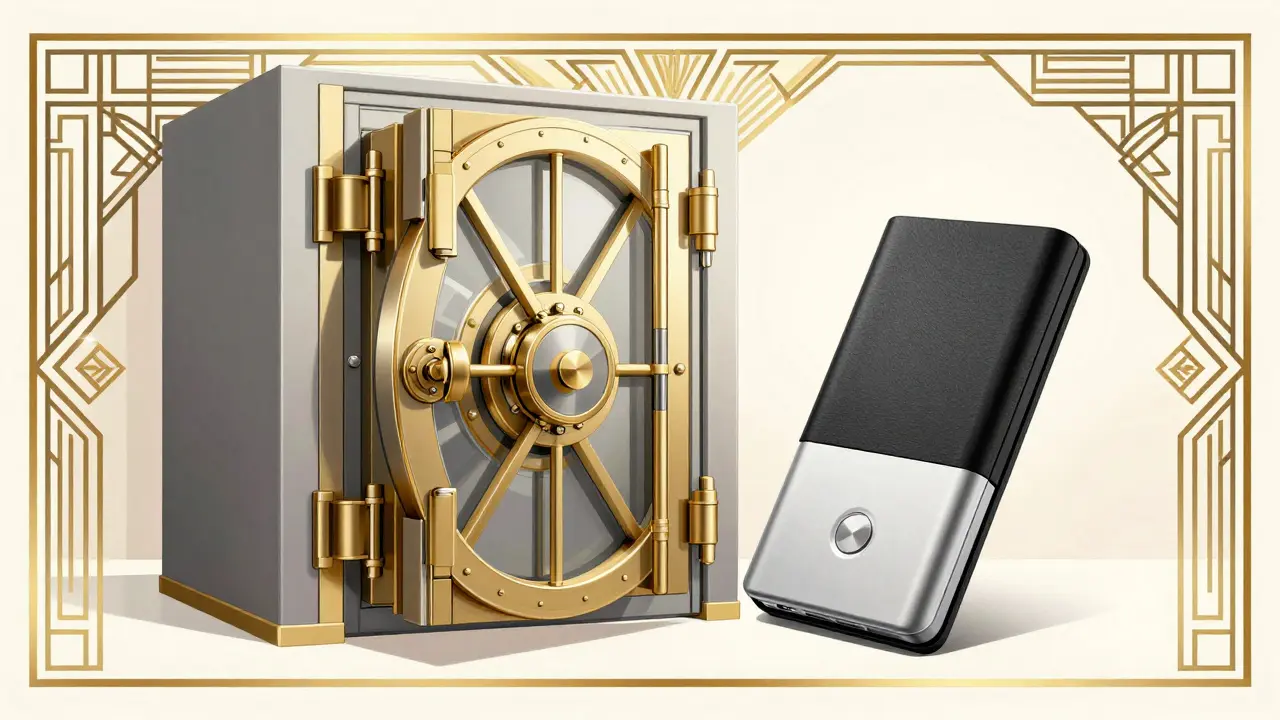
- Hardware Wallets: For maximum security, tools like Trezor or Ledger Nano X keep your private keys offline.
- Mobile Wallets: If you want quick access, Atomic Wallet, Jaxx, or Coinomi are popular choices.
- Native Software: Plutus provides its own wallet software designed to integrate directly with the payment app.
The Risks and Reality Check
No investment is without risk, and PLU has a volatile history. If you look at the charts, you'll see it hit an all-time high of over $32 back in 2018, only to crash significantly shortly after. This is common in the crypto world, but it serves as a reminder that utility tokens can be extremely swingy.
One technical risk to watch is the gap between the current market cap and the Fully Diluted Valuation (FDV). Since many tokens are locked in the rebate pool, they will eventually enter circulation as users earn them. This increase in supply can put downward pressure on the price unless there is a corresponding increase in demand from new users.
Furthermore, the project's success depends entirely on merchant acceptance. If the stores you actually visit don't support the contactless payment method Plutus uses, the tokens are essentially useless for your daily routine.
Is Pluton (PLU) the same as Plutus?
Not exactly. Plutus is the company and the payment application (the platform), while Pluton (PLU) is the specific cryptocurrency token used within that platform as a reward and payment tool.
How do I earn PLU tokens?
You earn PLU by using the Plutus app to make purchases. Specifically, when you deposit Bitcoin into the app for spending, you receive a 3% rebate paid out in PLU tokens.
Can I use PLU outside of the Plutus app?
You can trade it on exchanges like Coinbase or KuCoin, or hold it in an Ethereum wallet, but its primary utility-zero-fee contactless payments-only works within the Plutus ecosystem.
What blockchain is PLU built on?
Pluton is an ERC-20 token, which means it is built on the Ethereum blockchain and is compatible with most Ethereum wallets.
Is PLU a good investment?
That depends on your belief in the Plutus app. Because PLU is a utility token, its value depends on the growth of the Plutus user base. It is generally considered a high-risk, high-reward asset due to its volatility and dependence on a single platform.
Next Steps for New Users
If you're new to this, don't just buy the token. Instead, try the ecosystem. Download the Plutus app and see if the merchant network in your city is actually usable. If you find yourself using it daily, the 3% rebate becomes a tangible benefit. If you're just looking to speculate on the price, keep a close eye on the circulating supply and the number of active users on the platform, as those are the real drivers of PLU's value.


Ralph Espinosa
May 1, 2026 AT 08:53Definitely a solid breakdown of how the rewards cycle works!!! It is so important to remember that the ERC-20 standard makes this way more accessible for the average person!!! Using a Ledger is definitely the way to go for security!!!
Arun Prabhu
May 3, 2026 AT 07:53A quaint attempt to dress up a pedestrian utility token as some sort of financial revolution. The sheer banality of 'cash back' in crypto form is almost offensive to those of us who actually understand market dynamics. Simply tedious.
Jehan ZA
May 4, 2026 AT 05:45The explanation regarding the locked rebate smart contract pool is quite illuminating. It appears that the structural integrity of the token's value is heavily reliant on the platform's organic growth.
debra hoskins
May 5, 2026 AT 14:16Closed-loop economies are just fancy prisons for your liquidity. Calling it a bridge to the real world is a stretch when it only works if a specific app allows it. Pure fantasy.
Pramendra Singh
May 5, 2026 AT 23:56It is really heartening to see more ways to integrate crypto into our daily shopping habits. I believe this could eventually lead to much wider acceptance if we just give it time.
Chloe Fletcher
May 6, 2026 AT 13:57You've got this! Just start small and test the app in your own neighborhood first 🌟 It's all about that incremental progress 🚀 Let's see those rewards grow! 💸
Harvey Alford
May 7, 2026 AT 06:12I tried this. It failed. Total waste.
VIVEK SINGH
May 8, 2026 AT 22:53Oh, look, another 'utility' token that's just a glorified coupon. I'm sure the 'investors' are thrilled to be holders of a digital Starbucks card that can crash 90% in a week. Truly groundbreaking stuff here, bravo.
Lynne Teperman
May 9, 2026 AT 18:23it is kind of a wild ride seeing how these tokens shift in value based on app usage alone. just a weird digital dance
Rachel S
May 10, 2026 AT 20:14The volatility described is absolutely harrowing! 😱 One must exercise extreme caution when dealing with assets that have such a dramatic history of peaking and crashing! It is simply scandalous! 📉
Brendan Thraxton
May 11, 2026 AT 19:15if you are new to ethereum tokens just remember to check the gas fees before moving your plu around because that can eat your 3 percent reward pretty fast
Ryan Nakielny
May 11, 2026 AT 23:06Right, because nothing says 'future of finance' like a 3% rebate that you can only spend in a specific app. I'm sure the banks are shaking in their boots.
Sri Astuti
May 13, 2026 AT 17:39The mention of the Fully Diluted Valuation is the only part of this that actually matters, yet the author glosses over it as if the massive influx of tokens from the rebate pool won't absolutely crush any hope of a price increase in the long term, which is typical for these kinds of flawed reward structures 🙄
Elle Kharitou
May 15, 2026 AT 02:10It is so fascinating to consider how the concept of value is evolving from a static hoard of gold to a dynamic flow of rewards within a digital ecosystem 🌟 I think we are witnessing a shift in human consciousness regarding ownership and utility, where the experience of the transaction becomes as valuable as the asset itself, and it's just wonderful to see these bridges being built between our physical needs and our digital identities 🌈✨
AP Fisher
May 16, 2026 AT 11:22I wonder if more stores will take it soon.
Wayne Gillis
May 17, 2026 AT 07:02Wait, I want in on this! 🤑 Does it work at Walmart? 🛒 Let me know if you guys are making bank with those rebates! 💰✨
Noel Mandotah
May 18, 2026 AT 00:35Groundbreaking. A token for an app. Wow.
edie rosa
May 18, 2026 AT 09:23This is just another way to lure people into a precarious financial trap under the guise of 'rewards' and it's honestly disgusting how these projects pretend to solve a problem that doesn't exist while ignoring the environmental cost of the Ethereum chain they rely on.