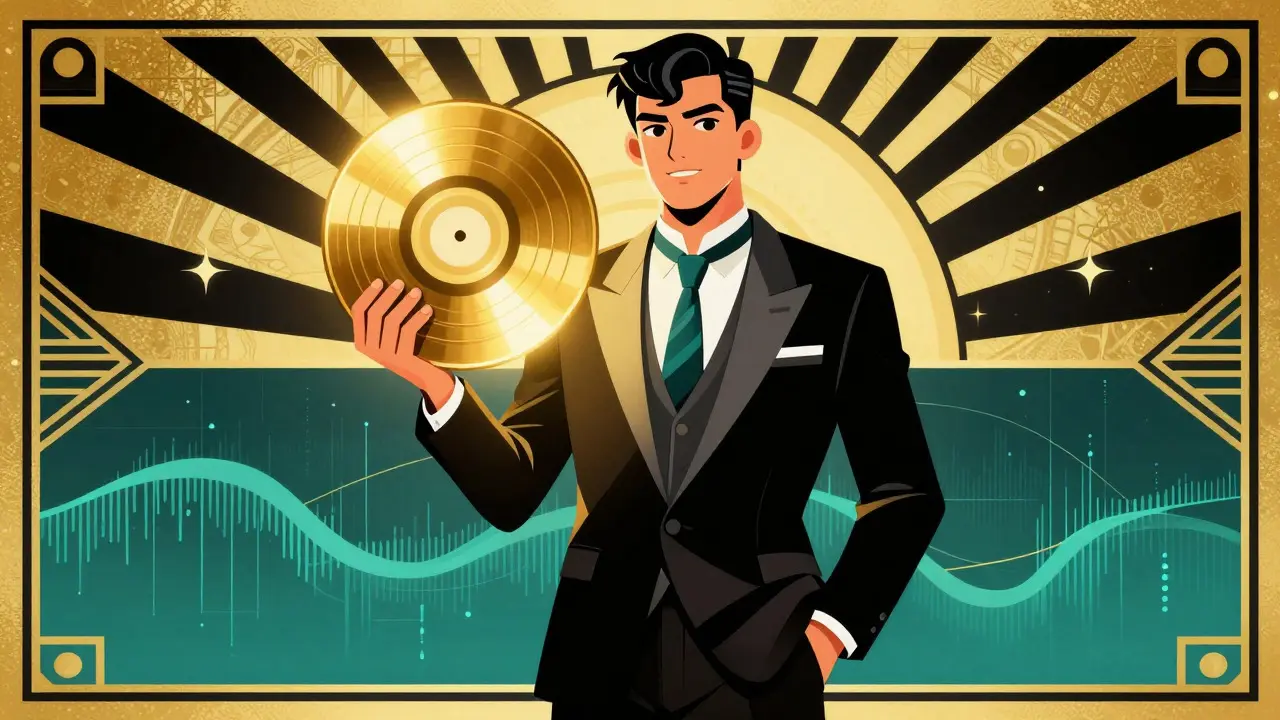
The traditional music industry has long operated on a model that leaves most artists with a fraction of the value they create. While global music revenue hit approximately $65 billion in 2023, the majority of those earnings flowed into the pockets of major labels and streaming platforms. For independent musicians, the math often didn't add up. Enter Music NFTs, which are unique digital assets on blockchain networks that authenticate ownership of music-related content. These tokens are not just digital collectibles; they represent a fundamental shift in how artists monetize their work, retain rights, and connect with fans.
If you are an artist looking to take control of your career, or a fan wanting to support creators directly, understanding the benefits of music NFTs is crucial. This technology moves beyond simple file sharing to create new economic models based on transparency, direct ownership, and community building. Let’s break down exactly how this works and why it matters in 2026.
Taking Back Control of Revenue Streams
The most immediate benefit of using Music NFTs is the dramatic improvement in revenue retention. In the traditional system, intermediaries like record labels, distributors, and streaming services take between 70% and 90% of the income generated by a song. An artist might earn fractions of a cent per stream, making it nearly impossible to sustain a career without massive volume.
With music NFTs, artists can retain nearly the full proceeds from the initial sale. When a fan buys an NFT directly from the artist, there is no middleman taking a large cut. This direct-to-fan model allows musicians to price their work fairly and keep the money that reflects their actual effort. Platforms like Sound.xyz and Royal have streamlined this process, allowing creators to sell albums, singles, and exclusive tracks without needing a label deal.
But the real game-changer is what happens after the first sale. Traditional music publishing relies on complex royalty collection societies that often delay payments or fail to track every use of a song. Music NFTs solve this through smart contracts. These self-executing agreements on the blockchain automatically send a predetermined royalty percentage-typically 5% to 10%-to the original artist every time the NFT is resold on the secondary market. This creates a passive income stream that was previously technologically unfeasible.
Deepening Fan Engagement Through Ownership
Streaming services treat music as a utility, something you access temporarily for a monthly fee. Music NFTs change this dynamic by offering true ownership. When a fan purchases a music NFT, they aren’t just getting a link to a file; they are acquiring a verifiable asset that proves their support and connection to the artist.
This ownership comes with tangible perks that deepen the relationship between artist and fan. Many artists use NFTs as keys to unlock exclusive experiences. These can include:
- Access to private listening parties or virtual shows.
- Unreleased tracks, demos, or alternate versions of songs.
- Token-gated communities where holders discuss creative decisions.
- Physical merchandise bundles shipped directly to collectors.
Platforms like Audius facilitate these interactions by providing decentralized spaces where creators can build loyal communities. Fans who hold these NFTs feel like stakeholders rather than just consumers. They are more likely to promote the artist because they have a vested interest in the project's success. This sense of belonging transforms casual listeners into dedicated advocates.
New Monetization Models: Royalties and Fractional Ownership
Beyond selling individual tracks, music NFTs enable innovative financial structures that allow fans to invest in an artist’s future. One prominent model is the Royalty NFT. In this setup, artists can offer fans the opportunity to become co-owners of their music. If the song goes viral or generates significant streaming revenue, early supporters receive a share of the profits.
This approach democratizes investment in music. Previously, only wealthy investors or major labels could fund recordings and expect returns. Now, everyday fans can buy into an artist’s potential. It aligns the incentives of everyone involved: the artist gets upfront funding, and the fans get a chance to profit if the music succeeds. Services like Royal have made these royalty-sharing systems accessible, allowing for transparent tracking of earnings via the blockchain.
Fractional ownership is another emerging trend. High-value musical assets, such as master recordings or iconic stems, can be split into multiple NFTs. This lowers the entry barrier for collectors and spreads risk across a larger group. It turns music into a liquid asset class, enabling broader participation in the cultural economy.
Technical Simplicity and Lowering Barriers
In the early days of Web3, creating an NFT required coding knowledge and high transaction fees. That landscape has changed significantly. By 2026, the ecosystem has matured to support artists of all technical levels. Several platforms now offer zero minting fees, removing the financial hurdle for independent musicians who operate on tight budgets.
For example, Mint Songs specifically targets independent artists by eliminating upfront costs. Other platforms provide user-friendly interfaces that handle wallet setup and smart contract deployment behind the scenes. Artists no longer need to understand the intricacies of Ethereum gas fees or ERC-721 standards to participate. The focus has shifted from technical complexity to creative expression.
Additionally, many platforms now integrate fiat payment options. This means fans don’t necessarily need to own cryptocurrency to buy an NFT. They can pay with credit cards or bank transfers, and the platform handles the conversion. This reduces friction and opens the market to mainstream audiences who may be hesitant to navigate crypto exchanges.
Challenges and Considerations
While the benefits are substantial, music NFTs are not without challenges. Market volatility remains a concern. The value of NFTs can fluctuate based on broader crypto market trends, which can affect both artists and collectors. Building a sustainable community takes time and effort; simply minting an NFT does not guarantee sales. Artists must actively engage with their audience, explain the value proposition, and deliver on promised utilities.
Environmental concerns also persist, though they are diminishing. Many blockchain networks have moved to proof-of-stake consensus mechanisms, which consume significantly less energy than older proof-of-work systems. Artists should choose eco-friendly platforms to align with sustainability values.
Legal clarity around copyright and licensing is still evolving. While NFTs prove ownership of the token, they do not automatically transfer copyright unless explicitly stated in the smart contract. Artists must clearly define what buyers are purchasing-whether it’s just a collectible, a license to use the audio, or a share of royalties.
| Feature | Traditional Model | Music NFT Model |
|---|---|---|
| Revenue Share for Artist | 10% - 30% | Near 100% (minus platform fees) |
| Secondary Sales Royalties | Rarely tracked/paid | Automated via smart contracts (5-10%) |
| Fan Relationship | Transactional (streaming) | Ownership-based (community) |
| Payment Speed | Months (via collection societies) | Instant (on-chain) |
| Barriers to Entry | Label deals required for reach | Direct access via platforms |
Future Outlook for Artists
As we move further into 2026, the adoption of music NFTs is accelerating. Industry analysts predict that more artists will adopt this model alongside traditional sources like concerts and merchandising. The integration of NFTs with virtual experiences, such as metaverse concerts, offers new frontiers for engagement. Artists can sell VIP passes, backstage access, and interactive experiences as NFTs, blending physical and digital realms.
The key to success lies in authenticity and community. Artists who treat NFTs as a tool for connection rather than a quick cash grab tend to thrive. By leveraging the transparency and automation of blockchain technology, musicians can build sustainable careers that reward both their creativity and their fans’ loyalty. The era of passive consumption is giving way to active participation, and music NFTs are at the heart of this transformation.
What are the main benefits of music NFTs for artists?
The primary benefits include higher revenue retention (keeping nearly 100% of initial sales), automated royalties from secondary sales via smart contracts, direct fan engagement through exclusive content, and new monetization models like fractional ownership and royalty-sharing.
Do artists need to know coding to create music NFTs?
No. Most modern platforms like Sound.xyz, Royal, and Mint Songs offer user-friendly interfaces that handle the technical aspects. Artists can upload their music, set prices, and configure royalties without writing any code.
How do royalty NFTs work?
Royalty NFTs allow fans to purchase a share of an artist’s future earnings. If the song generates revenue from streams or other uses, the smart contract automatically distributes a portion of those profits to the NFT holders, similar to buying stock in a company.
Are music NFTs environmentally friendly?
Many blockchain networks used for NFTs, such as Ethereum, have transitioned to proof-of-stake consensus, which consumes significantly less energy than older methods. Artists can choose eco-friendly platforms to minimize their carbon footprint.
Can fans buy music NFTs with regular money?
Yes. Many platforms now support fiat payments via credit cards or bank transfers. The platform handles the conversion to cryptocurrency behind the scenes, making it easier for non-crypto users to participate.