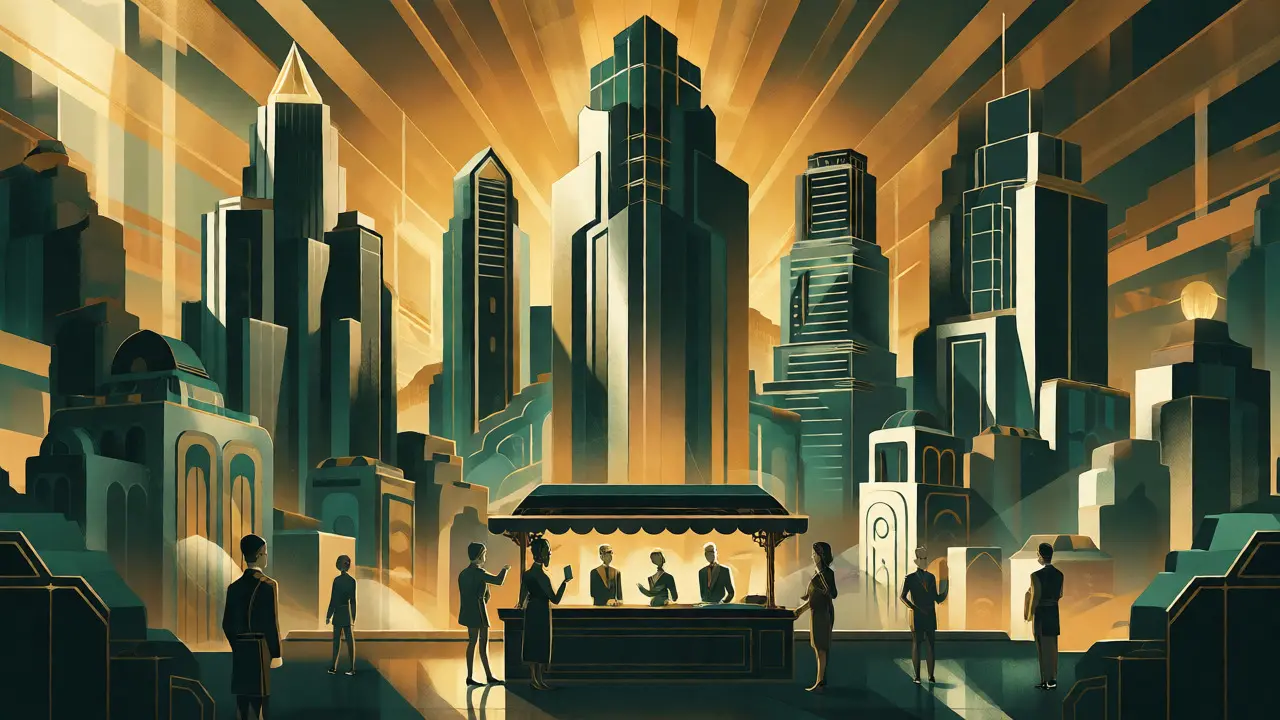
Remember when the metaverse was just a buzzword for pixelated avatars and clunky headsets? Fast forward to 2025, and that narrative has completely flipped. We aren't looking at speculative hype anymore; we are looking at functioning digital economies where people buy land, build businesses, and earn real income. If you have been sitting on the sidelines wondering which platforms actually stick around, you are not alone. The sector has matured, shedding the excess of the early bull run to reveal a handful of robust ecosystems that blend gaming, social interaction, and finance seamlessly.
This isn't about listing every coin with "meta" in its name. It is about identifying the projects that have survived the bear market, secured major partnerships, and delivered actual utility. From the established giants like The Sandbox to AI-driven newcomers like Virtuals Protocol, the landscape is diverse. Let's break down what makes these specific projects stand out right now, why they matter, and how they fit into your potential portfolio or curiosity list.
The Heavyweights: Established Ecosystems
You cannot talk about this space without addressing the two titans that defined the first wave: The Sandbox and Decentraland. These aren't new kids on the block; they are the infrastructure upon which much of the current momentum rests.
The Sandbox started life as a mobile game back in 2012 before pivoting hard into blockchain technology. By leveraging Ethereum, it created a decentralized world where users truly own their assets. The project raised $93 million from SoftBank in 2021, signaling serious institutional confidence. Today, it operates through three core tools: VoxEdit for creating voxel-based NFTs, Game Maker for no-code 3D game building, and a Marketplace for trading. What keeps it relevant in 2025 is its aggressive partnership strategy. Collaborations with brands like Atari, Snoop Dogg, and The Walking Dead franchise have driven user engagement beyond the typical crypto enthusiast crowd. Plus, the integration of staking on the Polygon network allows for zero-fee transactions, making micro-transactions viable for everyday players.
Then there is Decentraland. While The Sandbox leans heavily into gaming mechanics, Decentraland focuses more on social interaction and virtual real estate. Users purchase parcels of LAND using the MANA token, developing them into galleries, casinos, or social hubs. In 2025, Decentraland has solidified its reputation as the premier venue for virtual events. Art galleries and brand activations here generate tangible economic value, proving that digital real estate can yield real returns. Unlike some competitors that struggle with liquidity, Decentraland maintains a steady flow of visitors drawn by consistent event calendars and a decentralized autonomous organization (DAO) structure that gives token holders a direct say in platform development.
Gaming-First Innovations
If social spaces feel too abstract, the gaming sector offers immediate, tangible value. Play-to-earn models have evolved from simple reward loops into complex strategic experiences.
Axie Infinity remains a cornerstone here. Despite facing significant security challenges in 2022, it has rebuilt trust and maintained a massive player base. The model is straightforward yet addictive: collect Axies, battle strategically, and earn cryptocurrency rewards. Its resilience proves that a strong community and proven economic loop can withstand external shocks. For many, Axie Infinity serves as the gateway drug to broader metaverse concepts because the gameplay is intuitive and the financial incentives are clear.
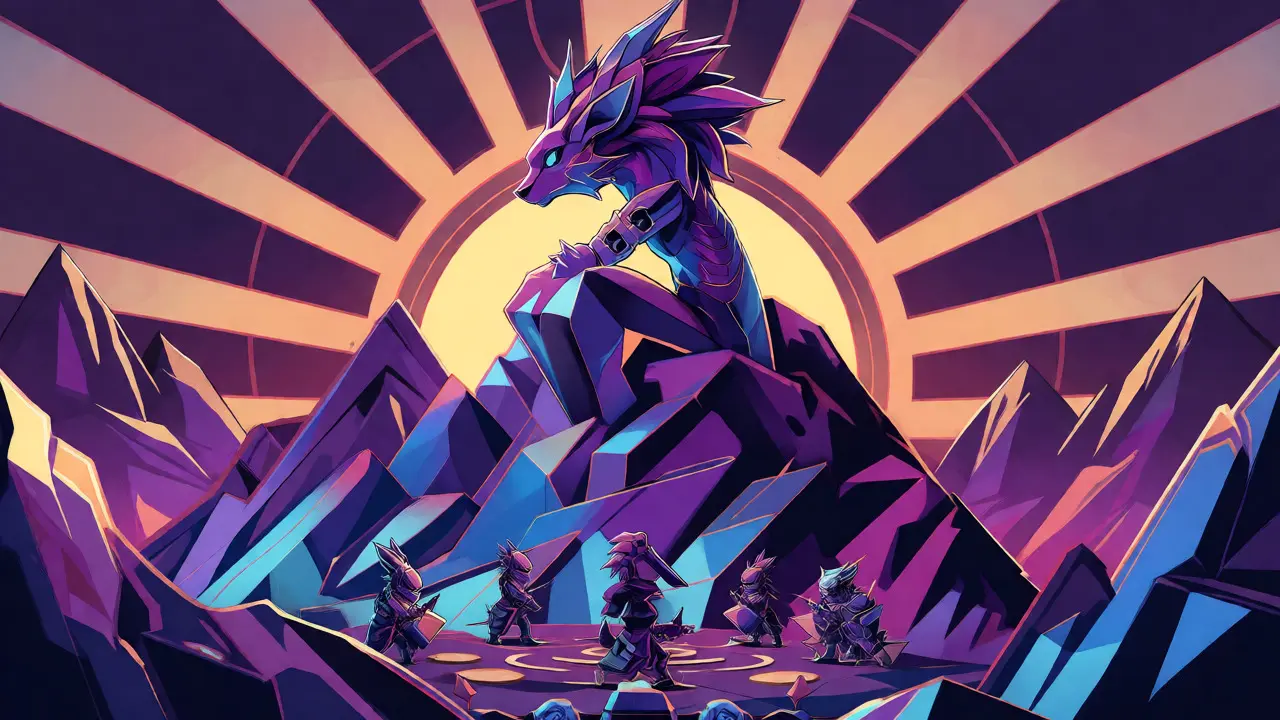
However, the bar for graphics and immersion has risen. Enter Illuvium. This project targets traditional gamers who might scoff at low-resolution blockchain games. Illuvium combines AAA-quality visuals with deep role-playing mechanics. You explore an open world, capture creatures called Illuvials, and use them in auto-battler competitions. The key differentiator? Quality. By prioritizing production values, Illuvium aims to onboard non-crypto natives who care more about the experience than the underlying tech. It represents the shift from "blockchain game" to "game that happens to use blockchain."
For those who prefer niche sports simulations, Derby Stars offers a compelling alternative. Built on the Polygon blockchain for speed and low costs, it focuses on horse racing. The dual-token economy-RUN for governance and CRT for utility-rewards both competitive tournament participation and routine training activities. It’s accessible, easy to understand, and demonstrates how specialized verticals can thrive within the broader metaverse umbrella.
Bridging Physical and Digital Realities
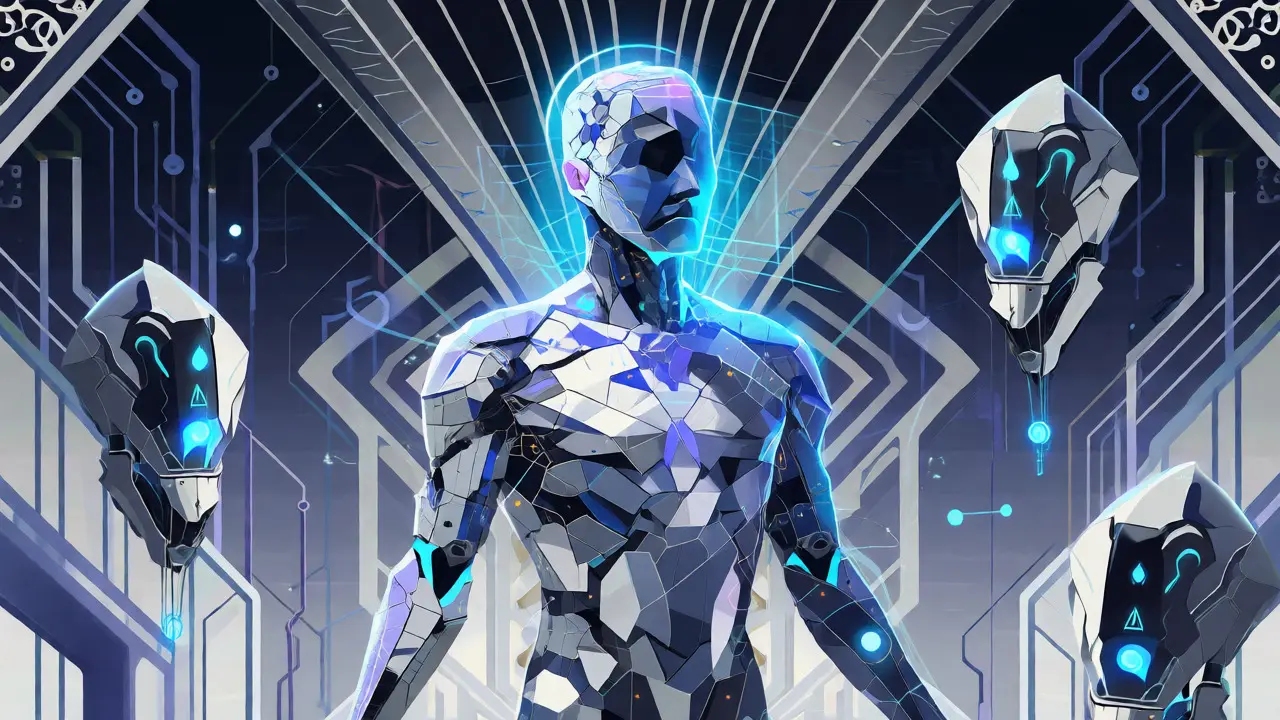
One of the biggest hurdles in the metaverse has been identity fragmentation. Your avatar in one game rarely works in another. MetaHero attempts to solve this by bridging the physical and digital worlds. Their primary innovation is advanced 3D body scanning technology. Users scan their real bodies to create detailed, accurate 3D avatars that are compatible across multiple platforms. With a market cap hovering around $11.8 million and daily trading volumes exceeding $1.29 million, MetaHero shows substantial interest. Analysts suggest its disruption potential lies in its utilitarian focus-it’s not just a game, but infrastructure for identity management in virtual spaces.
Similarly, VulcanVerse integrates into the larger Vulcan Forged ecosystem. It’s an open-world MMORPG where storylines are crafted by renowned fantasy creators. Players own in-game assets as NFTs and can create their own quests. The dual-token system (PYR and LAVA) rewards active participation, while the broader ecosystem includes other titles like Vulcan Runner and the Agora NFT art platform. This interconnectedness reduces friction for users who want to move between different types of entertainment without leaving the ecosystem.
The New Frontier: AI and Meme Utility
2025 is also the year artificial intelligence crashed the metaverse party. Virtuals Protocol is generating significant buzz by integrating AI agents directly into virtual environments. These aren't just chatbots; they are co-owned, tokenized entities that can perform tasks, interact with users, and generate revenue. This transforms virtual worlds from static maps into dynamic, responsive communities where NPCs (non-player characters) have actual agency. It’s a fascinating evolution that blurs the line between software and character.
On the lighter side, meme coins are growing up. Floki Inu launched its Valhalla gaming ecosystem, transitioning from a Viking-themed meme coin to a utility-focused altcoin. Valhalla is a play-to-earn NFT game where players earn FLOKI tokens through battles. The mainnet launch scheduled for mid-2025 marks a critical pivot. If successful, it could prove that even meme-driven communities can support sustainable, high-engagement gaming economies.
Comparing the Key Players
To help you navigate these options, here is a quick comparison of the major attributes defining these projects in 2025.
| Project | Primary Focus | Blockchain | Key Token | Unique Selling Point |
|---|---|---|---|---|
| The Sandbox | User-generated content & Gaming | Ethereum / Polygon | SAND | Major brand partnerships (Snoop Dogg, Atari) |
| Decentraland | Social & Virtual Real Estate | Ethereum | MANA | DAO-governed virtual city planning |
| Axie Infinity | Strategic Battle Gaming | Ronin Sidechain | AXS | Proven play-to-earn economic model |
| Illuvium | AAA Open World RPG | Ethereum | ILV | High-fidelity graphics targeting traditional gamers |
| MetaHero | Cross-platform Avatars | Ethereum | HERO | 3D body scanning for universal identity |
| Virtuals Protocol | AI Agents in Metaverse | Ethereum / Base | VIRTUAL | Tokenized AI characters with autonomous behavior |
What This Means for You
So, where does this leave you? If you are a gamer, Illuvium and Axie Infinity offer the most polished experiences. If you are an investor eyeing long-term infrastructure, The Sandbox and Decentraland provide stability through established networks. For the tech-savvy curious about the next big thing, keep a close watch on Virtuals Protocol and MetaHero. They represent the technological shifts-AI integration and interoperability-that will likely define the next decade.
The metaverse isn't a single destination; it's a collection of specialized islands. Success in 2025 depends on choosing the island that matches your interests and risk tolerance. Don't just chase the hype; look for utility, active communities, and transparent roadmaps.
Are metaverse projects still profitable in 2025?
Profitability varies significantly by project and strategy. Established platforms like The Sandbox and Decentraland offer stable investment vehicles through land ownership and token staking. However, newer projects like Illuvium carry higher risk but potentially higher rewards if they achieve mainstream adoption. Play-to-earn models have also stabilized, offering modest but consistent returns for active players rather than the windfalls seen during the 2021 boom.
Do I need expensive VR hardware to participate?
No. Most major metaverse projects, including Decentraland and The Sandbox, are browser-based and fully playable on standard desktop computers and laptops. While VR headsets enhance immersion, they are not required for basic functionality, asset trading, or attending virtual events. Mobile compatibility is also expanding, though often with reduced graphical fidelity.
How does AI change the metaverse experience?
Projects like Virtuals Protocol integrate AI agents that can autonomously interact with users, manage tasks, and even trade assets. This creates more dynamic and less scripted virtual environments. Instead of static NPCs, you encounter characters that learn and adapt, making the world feel alive and reducing the need for constant human moderation.
Is cross-platform compatibility possible?
True cross-platform compatibility is still evolving. MetaHero is a leader in this area, using 3D scanning to create avatars that work across multiple games. However, moving assets (like weapons or skins) between completely different engines (e.g., from Unity to Unreal) remains technically challenging. Standards are improving, but full interoperability is likely years away.
What are the risks of investing in metaverse tokens?
The primary risks include regulatory uncertainty, technological obsolescence, and market volatility. Many projects fail to deliver on roadmap promises. Additionally, tokenomics can be complex; inflationary supply mechanisms may dilute value over time. Always research the team's track record and community health before investing.