Missing out on an airdrop because you didn’t know where to look is the most expensive mistake in crypto. With the SAKE ecosystem expanding rapidly across multiple platforms, there is real value waiting for active users who understand how the reward systems work. Whether you are a seasoned perpetuals trader on SakePerp or a new user dipping their toes into Sake Finance’s lending protocol, understanding the mechanics behind these incentives is crucial for maximizing your potential returns.
The SAKE token isn't just a governance tool; it is the backbone of a multi-layered decentralized finance (DeFi) suite that includes spot trading, futures markets, and now, a robust lending protocol. The current landscape offers two distinct paths to earning rewards: legacy participation in SakePerp and SakeSwap, and the newer, points-based accumulation system within Sake Finance on the Soneium network. This guide breaks down exactly how these mechanisms function, what actions yield the highest point multipliers, and how to position yourself for the eventual token distribution.
Understanding the SAKE Ecosystem Structure
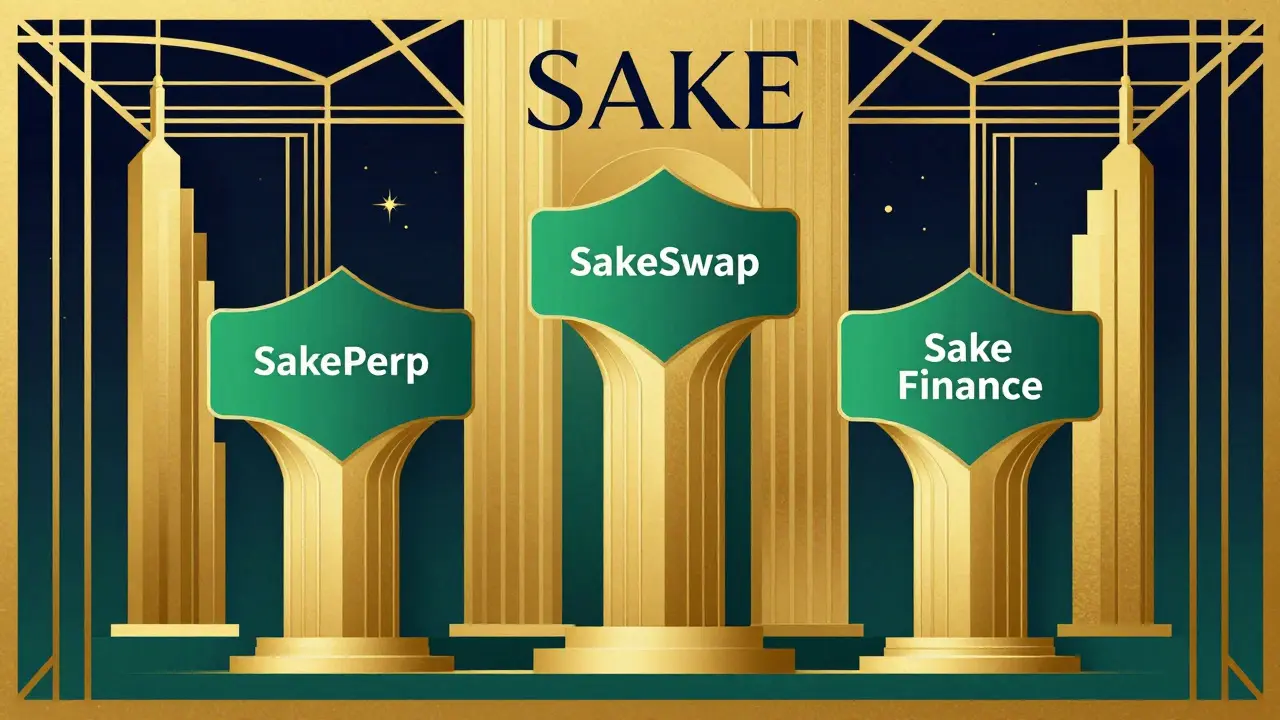
To navigate the airdrop opportunities effectively, you first need to grasp how the different components of the ecosystem interact. The SAKE token serves as the primary governance and utility asset for the entire suite. It was designed to support both spot market operations through SakeSwap and futures market functionality via SakePerp. This dual-purpose design means that activity in one part of the ecosystem often benefits from or impacts the others, creating a web of interconnected incentives.
SakePerp operates as a perpetual contract trading platform. Unlike traditional exchanges that rely heavily on funding rates to keep derivatives prices aligned with spot prices, SakePerp uses a unique vAMM (virtual Automated Market Maker) combined with an Oracle price discovery mechanism. This setup allows for more stable pricing and reduces the risk of extreme volatility during low-liquidity events. For traders, this means tighter spreads and potentially better execution, but for airdrop hunters, it means consistent volume generation is key.
SakeSwap, the spot trading arm, functions as an AMM DEX (Decentralized Exchange). It also hosts Initial Liquidity Offerings (ILOs), which are crowdfunding events for new projects. Successful ILOs create immediate liquidity pools, rewarding early participants. The revenue model here is aggressive: fees generated from trading and liquidity provision are used to buy back and burn SAKE tokens, increasing scarcity and value for holders. This burn mechanism is a critical attribute of the token's economic model, directly linking user activity to token appreciation.
| Platform | Primary Function | Reward Mechanism | Key Assets Supported |
|---|---|---|---|
| SakePerp | Perpetual Contract Trading | Volume-based incentives, fee sharing | BTC, ETH, BNB, DOGE, DOT, LINK |
| SakeSwap | Spot Trading & ILOs | LP rewards, ILO participation bonuses | Project Tokens, BUSD, USDC |
| Sake Finance | Lending & Borrowing | Sake Points (Retroactive Airdrop) | ETH, WETH, ASTR, USDC.e |
Sake Finance: The New Points-Based Airdrop System
The most significant opportunity right now lies within Sake Finance, the newer lending and borrowing protocol built on the Soneium network. Instead of distributing tokens immediately, Sake Finance has implemented a "Sake Points" system. This is a retroactive airdrop mechanism, meaning you earn points now based on your usage, and those points will determine your share of the future token allocation. This approach filters out bots and rewards genuine, long-term users.
Accumulating Sake Points requires active engagement with the protocol. You earn points by supplying assets as collateral, borrowing against them, and maintaining healthy positions over time. The supported assets include ETH, WETH, ASTR, and USDC.e. Each asset has different collateral factors and APY rates, which influence how much risk you take and how many points you might accumulate relative to your capital deployment.
Here is how the core activities translate into points:
- Supplying Collateral: Depositing assets like ETH or USDC.e into the protocol earns you base points. The longer you keep the assets supplied, the more points accrue. Consistency is rewarded here.
- Borrowing: Taking out loans against your collateral generates additional points. However, this comes with risk. You must monitor your health factor closely.
- Health Factor Management: Your health factor is calculated by comparing your collateral value to your borrowed amount. It must stay above 1.0 to avoid liquidation. Maintaining a high health factor while actively borrowing demonstrates sophisticated usage, which may be weighted higher in the final algorithm.
The beauty of this system is its flexibility. There are no maximum participant limits, and the program is currently open-ended. This means you can start small, learn the interface, and scale up your position as you become more comfortable. The key is to treat every interaction as a vote for your future allocation. Every deposit, every borrow, and every community task completed adds to your score.
Step-by-Step Guide to Maximizing Your Sake Points
If you are ready to start earning, follow this structured approach to ensure you capture all available points without making costly mistakes. This process assumes you have a Web3 wallet like MetaMask or WalletConnect set up.
- Connect Your Wallet: Navigate to the Sake Finance Rewards Program page. Connect your wallet using MetaMask or WalletConnect. You will need to sign connection requests and participation confirmation messages. Do not skip this step; unverified wallets do not earn points.
- Verify Social Presence: Follow SakeFinance on Twitter and join their Discord server. In Discord, you need to earn the "Sipper role." This indicates community engagement and is often a prerequisite for certain bonus multipliers or quest completions.
- Bridge Assets to Soneium: Sake Finance operates on the Soneium network. If your assets are on Ethereum Mainnet or Binance Smart Chain, you need to bridge them. Use the Rhino Bridge for transfers. Buy ETH or USDC from an exchange like Binance, send it to your wallet, and then bridge it to Soneium. Ensure you keep some native tokens in your wallet to cover gas fees.
- Supply and Borrow: Deposit your bridged assets as collateral. Then, consider taking a small loan to activate the borrowing multiplier. Monitor your health factor daily. Aim to keep it well above 1.5 to provide a safety buffer against market volatility.
- Complete Layer3 Quests: Layer3 is a platform that gamifies blockchain interactions. Connect your wallet to Layer3 and complete specific tasks related to Sake Finance. These quests often provide significant point boosts and are essential for maximizing your total score.
- Track Your Progress: Regularly check the Rewards page on the Sake Finance dApp. Your accumulated Sake Points should update in real-time. If they don’t, verify that your wallet is connected and that you have completed all necessary verification steps.
SakePerp and SakeSwap: Legacy Rewards and Fee Sharing
While Sake Finance is the new frontier, the original platforms still offer substantial value. SakePerp implements a revenue-sharing model that directly benefits SAKE token holders. Fifty percent of transaction fees are allocated for SAKE token buybacks. These bought-back tokens are locked as insurance funds, benefiting all holders by capturing the platform's value. The remaining fees are split between burning 90% of the 0.05% fee and distributing 10% to SakeBar participants who stake their SAKE tokens.
This creates a powerful incentive structure. If you hold SAKE tokens from previous distributions or purchases, staking them in SakeBar ensures you receive a portion of the platform's revenue. For traders, high volume on SakePerp contributes to the buyback pool, indirectly increasing the value of your staked tokens. This symbiotic relationship between traders and holders is rare in DeFi and makes the SAKE ecosystem particularly resilient.
SakeSwap offers another angle. By providing liquidity to pools created from successful ILOs, you earn LP (Liquidity Provider) tokens. These tokens entitle you to 3% of the liquidity when providers withdraw, with fees specifically used for SAKE buybacks and burns. Additionally, LP holders can participate in SakeSwap Farming to earn extra SAKE rewards. Multiple airdrop campaigns have been planned for ILO participants, so keeping an eye on upcoming project launches on SakeSwap is a smart strategy.

Risk Management and Best Practices
Participating in DeFi protocols always carries risks. While the potential rewards are attractive, you must protect your capital. Here are some critical best practices:
- Avoid Over-Leverage: When borrowing on Sake Finance, do not max out your collateral factor. Market crashes can happen quickly. Keep a healthy buffer to prevent liquidation, which would result in losing your collateral and wiping out your points.
- Diversify Across Protocols: Don’t put all your eggs in one basket. Engage with both SakePerp and Sake Finance if possible. This diversifies your exposure and maximizes your chances of receiving rewards from multiple sources.
- Stay Updated: The crypto space moves fast. Follow Sake Finance’s official channels for announcements about new quests, partner integrations, or changes to the points algorithm. Missing a limited-time event could cost you significant points.
- Secure Your Wallet: Never share your private keys or seed phrase. Use hardware wallets for large amounts. Phishing attacks targeting airdrop participants are common. Always double-check URLs before connecting your wallet.
Future Outlook and Token Allocation
The exact details of the final token distribution remain undisclosed, but the team has emphasized that Sake Points will play a pivotal role in governance and allocation. This suggests a fair launch model where early adopters are rewarded proportionally to their contribution. As the ecosystem grows, adding more assets and features, the value of these points is likely to increase.
The integration of Sake Finance with the broader SAKE ecosystem creates a comprehensive DeFi experience. From spot trading to perpetuals to lending, each layer reinforces the others. For participants, this means a sticky ecosystem where users are incentivized to stay engaged. The combination of yield farming, trading incentives, and governance rights makes SAKE a compelling asset to hold and use.
As we move forward, expect more partnerships and integrations. The focus on Soneium indicates a strategic bet on scalability and low fees, which should attract more users and developers. Keeping an active presence in the community and continuously interacting with the protocols will position you well for whatever comes next.
When will the SAKE token airdrop be distributed?
The specific launch date for the Sake Finance token distribution has not been announced yet. The team advises users to focus on accumulating Sake Points through active protocol participation. Retroactive airdrops typically occur after the protocol reaches certain milestones in TVL (Total Value Locked) and user adoption. Stay tuned to official channels for updates.
How do I calculate my Sake Points accurately?
You can track your accumulated Sake Points directly on the Rewards page of the Sake Finance dApp. Ensure your wallet is connected to see real-time updates. Points are awarded based on the duration and size of your supplies and borrows, as well as completion of community quests and social tasks. The exact weighting of each activity is determined by the protocol's internal algorithm.
Is it safe to bridge assets to Soneium for Sake Finance?
Bridging assets involves inherent smart contract risks. Using established bridges like Rhino Bridge minimizes these risks compared to lesser-known alternatives. Always start with small amounts to test the process. Ensure you have enough native tokens for gas fees on both the source and destination networks. Research the security audits of the bridge and the Soneium network itself before committing significant capital.
Can I lose my Sake Points if I get liquidated?
Yes, getting liquidated means losing your collateral, which stops you from earning further points on that position. While past points earned before liquidation may remain, your ability to accumulate new points is halted until you replenish your collateral. Avoiding liquidation by maintaining a high health factor is crucial for consistent point growth.
What is the difference between SakePerp and Sake Finance?
SakePerp is a perpetual contract trading platform focused on derivatives, allowing users to trade futures with leverage. Sake Finance is a lending and borrowing protocol where users supply assets as collateral to earn interest or borrow against them. Both are part of the SAKE ecosystem but serve different financial needs and offer distinct reward mechanisms.