Category: Crypto & Blockchain - Page 3
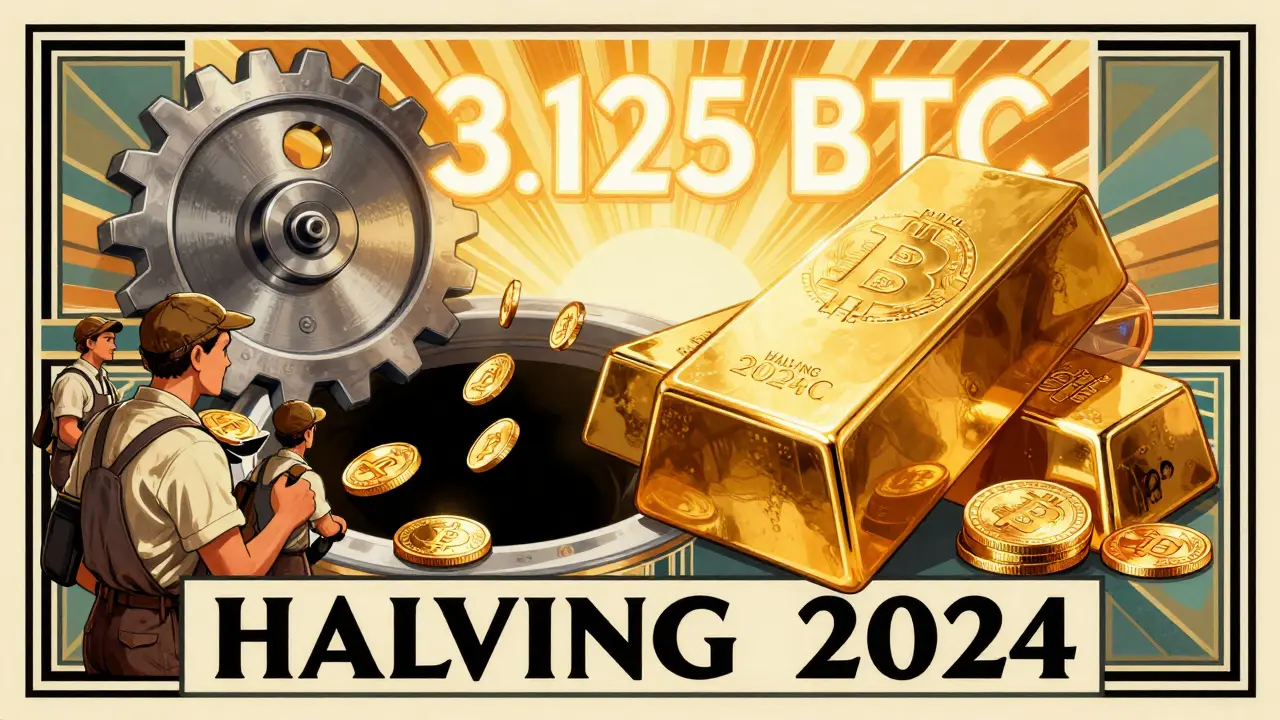
Halving Supply Shock Theory: How Bitcoin's Supply Cuts Drive Price Action
The Halving Supply Shock Theory explains how Bitcoin's programmed supply cuts every four years create scarcity that drives price increases. While past halvings triggered massive rallies, evolving market dynamics mean the effect is now tempered by institutional demand and macro trends.
3 Million Crypto Holders in Egypt Despite Complete Ban: The Truth Behind the Numbers
Despite Egypt's complete ban on cryptocurrency, many Egyptians still use Bitcoin and other digital assets. The claim of 3 million holders is unverified, but underground adoption continues due to economic pressure and remittance needs.

GEOCASH Airdrop by GeoDB: How It Worked and What Happened to GEO Tokens
The GEOCASH airdrop by GeoDB promised to pay users for their location data. Here’s how it worked, why it faded, and where GEO tokens stand today.

TradeStars TSX Airdrop: What We Know About the CoinMarketCap Community Drop
No official TradeStars × CoinMarketCap airdrop exists as of 2026, but TSX token holders can earn rewards through active participation. Learn how TradeStars works, what TSX does, and how to position yourself for any future token distribution.
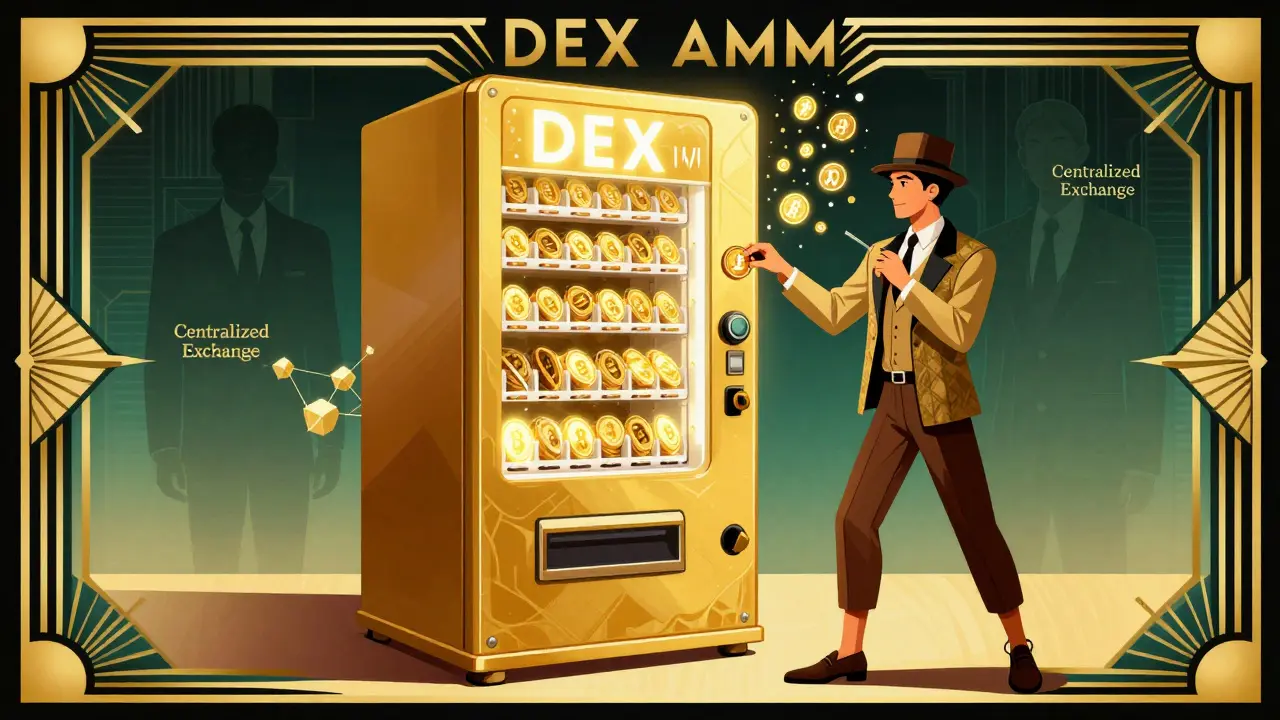
What Are Decentralized Exchanges? A Simple Guide to Peer-to-Peer Crypto Trading
Decentralized exchanges let you trade crypto peer-to-peer without intermediaries. They use smart contracts instead of banks, offer unlimited token options, and keep your funds in your wallet. But they come with risks like gas fees, scams, and complex interfaces.

Crypto Exchanges in India 2025: Full List of Platforms That Accept Indian Citizens
In 2025, Indian citizens can trade crypto on multiple regulated exchanges that support UPI, bank transfers, and INR deposits. Top platforms include CoinDCX, WazirX, CoinSwitch, Binance India, Mudrex, ZebPay, and Paxful - all compliant with Indian laws.

Enter The Sandbox Metaverse Airdrop: How to Participate and Earn SAND Tokens in 2026
Join The Sandbox metaverse airdrop in 2026 to earn free SAND tokens by playing, creating, and exploring. No purchase needed. Learn how to participate, what you can earn, and why this is one of the most legitimate crypto airdrops left.
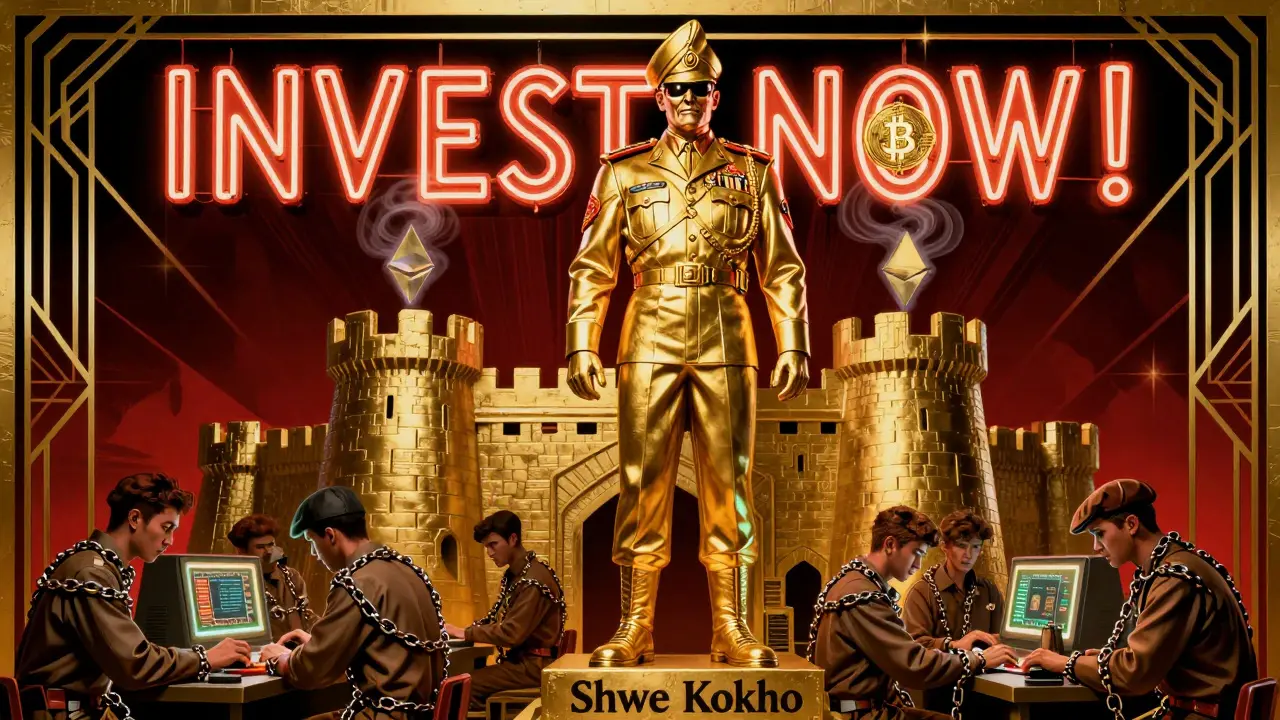
US Sanctions on Myanmar Crypto Entities: What You Need to Know
In September 2025, the U.S. sanctioned nine crypto scam entities in Myanmar's Shwe Kokko, linked to the Karen National Army. These operations have cost Americans over $10 billion in 2024 alone through forced labor and fraud. This is the most aggressive U.S. action yet against crypto crime.

PolkaBridge (PBR) Airdrop: What’s Real, What’s Not, and Where to Find the Truth
PolkaBridge (PBR) has no active airdrop as of 2026. Despite rumors, official sources confirm no token giveaways. Learn the real status of PBR, its market data, and why fake airdrops are dangerous.
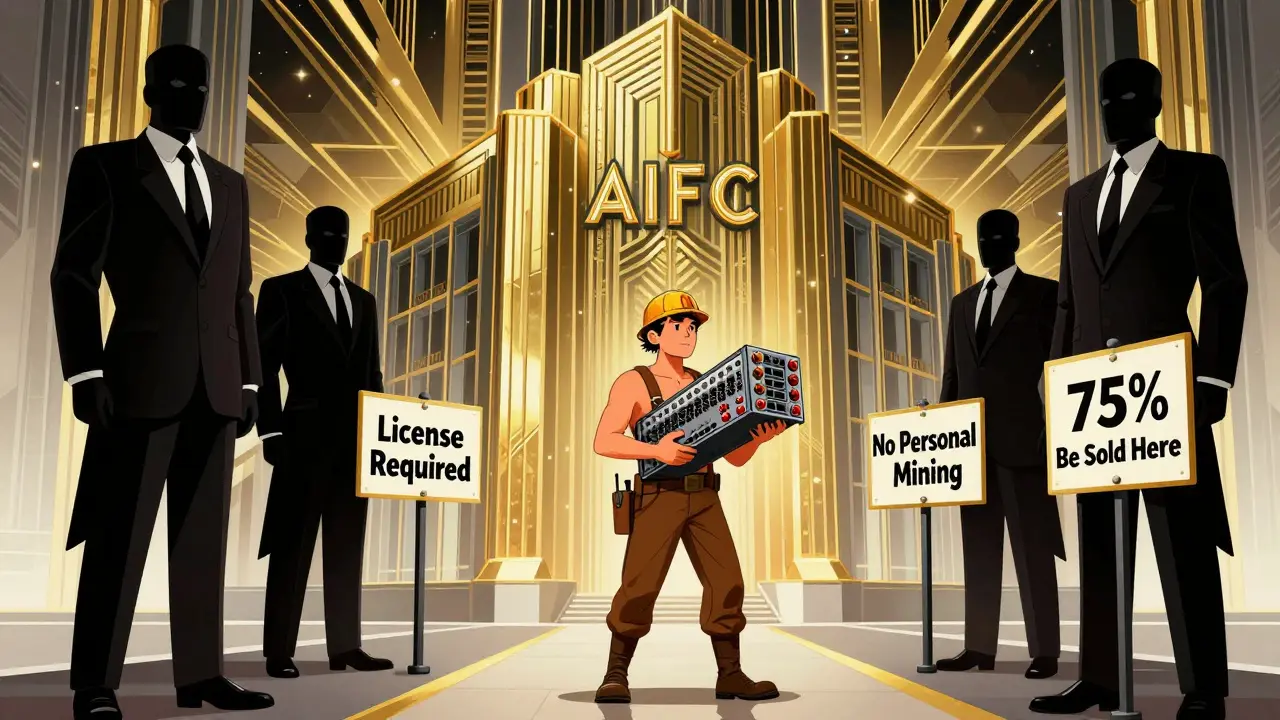
Crypto Mining Licensing Requirements in Kazakhstan 2026
Kazakhstan now requires all crypto miners to obtain an AIFC license, join state-approved mining pools, and sell 75% of mined coins domestically. The process is complex, costly, and tightly controlled - making it one of the strictest mining regimes in the world.
dYdX v4 Crypto Exchange Review: Deep Dive into the Sovereign Chain for Perpetual Futures
dYdX v4 is a sovereign blockchain built for high-speed, non-custodial perpetual futures trading. With zero gas fees, 25x leverage, and institutional-grade tools, it's the top choice for serious crypto traders who want full control over their funds.
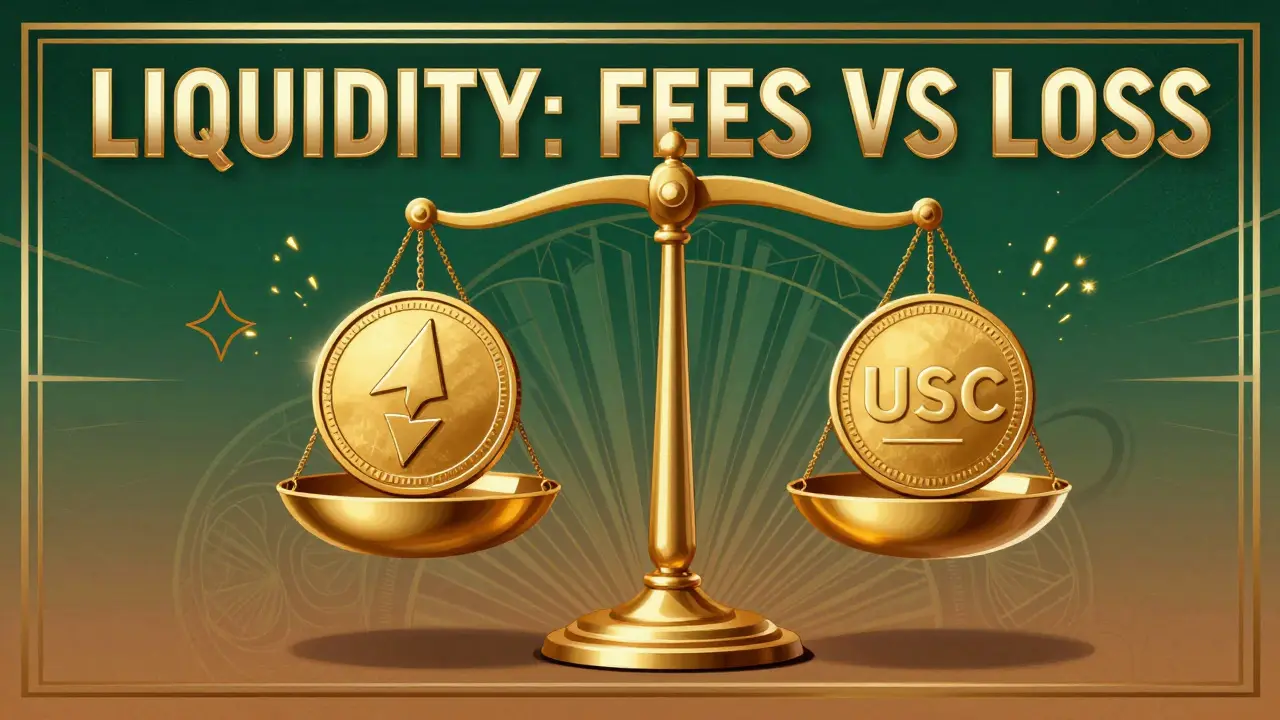
Impermanent Loss vs Trading Fees Earned: How to Profit in DeFi Liquidity Pools
Impermanent loss can erase profits from DeFi liquidity provision-but smart providers use trading fees to offset it. Learn how to calculate the risk, pick the right pools, and avoid costly mistakes in 2026.